



Packaging Quality Control, Compliance and Logistics: A Complete Guide for Global Brands
 Tag
Tag Date
Date Reading Time
In the competitive realm of global trade, packaging quality control emerges as a crucial pillar for brands aiming to maintain their reputation, ensure compliance, and optimize operational efficiency. This guide delves into the multifaceted aspects of packaging quality, exploring how brands can effectively manage their packaging strategies to uphold high standards in quality and logistics.
Definition: What Is Packaging Quality Control?
In essence, packaging quality control refers to the systematic measures and techniques employed to ensure that packaging products meet certain standards of quality, safety, and specifications. The process encompasses everything from selection and sourcing of packaging materials to manufacturing practices and final inspection before shipping to end-users.

To elucidate further, packaging quality control is not merely about aesthetic considerations or meeting the shipping criteria; it involves a combination of structural integrity, compliance with regulations, and suitability for specific products. This holistic approach seeks to mitigate risks, enhance customer satisfaction, and foster long-term brand loyalty.
Effective packaging quality control can significantly influence supply chain efficiency, from manufacturing processes to logistics. As brands strive to reach global markets, they must be equipped with the knowledge and tools to navigate the complexities associated with packaging both for compliance and customer satisfaction.
Quality Control Systems
Quality control systems typically include a detailed framework that emphasizes both pre-production and post-production assessments. These systems are crucial for identifying potential defects, assessing manufacturing process, and conducting regular inspections in line with established industry standards. By implementing robust quality control systems, brands can ensure products not only resonate with consumers but also adhere to regulatory guidelines.
Importance for Global Brands
For brands operating on a global scale, packaging quality control becomes even more paramount. Variability in regulations across countries, different consumer preferences, and transportation logistics demand a comprehensive strategy that aligns with international standards. Consequently, the ramifications of inadequate packaging can lead to financial losses, potential legal issues, and damage to brand reputation, making it imperative to prioritize quality at every stage.
Technical Vetting & Quality Risk Assessment Frameworks
Embracing technical vetting and quality risk assessment frameworks is vital for any organization that seeks excellence in packaging management. This preparatory step lays the foundation for ensuring that products comply with all necessary specifications while minimizing risks throughout the manufacturing and distribution processes.

Executing AQL 2.5/4.0 Inspection Protocols on the Factory Floor
Acceptance Quality Limit (AQL) is a critical parameter in quality inspection that outlines the maximum number of defects acceptable in a given sample size. For packaging quality control, implementing AQL 2.5/4.0 protocols means ensuring that no more than 2.5% of units in a sample for critical defects and 4.0% for non-critical defects fail to meet quality standards.
The execution of AQL protocols requires factory floor inspections during the production phase. Trained quality control inspectors should frequently examine items from different batches of packaging bags, boxes, and bulk packaging solutions to determine adherence to the required standards. Implementing such protocols can significantly reduce the risk of non-conforming products reaching consumers, promoting both brand integrity and consumer safety.
Regulatory Compliance & International Safety Credentials
Navigating the intricate web of regulatory compliance is a towering task for brand managers. Every region may enforce different regulations regarding materials, designs, and usage. For packaging manufacturers, maintaining internationally recognized safety credentials such as ISO certifications ensures standardization and adherence to quality benchmarks throughout the supply chain.
Brands must stay informed about various regulatory requirements, meticulously vet their manufacturers, and insist on documentation showcasing compliance with international standards. Engaging qualified China Sourcing Co agencies can bridge this gap and ensure compliance while enhancing cost-effectiveness in sourcing.
Structural Optimization & Substrate Specification
Structural optimization and substrate specification are pivotal components of the design process that can profoundly impact both practicality and cost-effectiveness in packaging.

Standardizing Engineering Parameters in Packaging Box Design
In creating packaging solutions that are not only aesthetically appealing but also structurally sound, standardizing engineering parameters during the packaging box design process is essential. Every design aspect, from dimensions to materials, must align with the product specifications and environmental considerations.
Taking a standardized approach to packaging box design eliminates uncertainty and increases efficiency. With defined parameters, stakeholders can distinguish reliable manufacturers from those that may not meet the brand’s quality expectations, ultimately leading to better alignment between product needs and the capabilities of packaging box manufacturers.
Barrier Properties & Tear Resistance for Packaging Bags
Packaging bags serve as a crucial defense mechanism against external contaminants, moisture, and oxygen. Therefore, selecting and specifying the correct substrate is paramount. The barrier properties of packaging bags influence the shelf life of the products they contain.
Brands must prioritize tear resistance, particularly for bags that will undergo rough handling during transportation. By adopting robust materials that conform to industry-standard tear resistance requirements, brands can reduce package failures and complaints stemming from damaged products, ensuring customer satisfaction and minimizing financial loss.
>> See more: China Packaging Sourcing: The Ultimate Hub for Packaging Manufacturers and Wholesale Packaging
Operational Strategy: In-House QA vs. Managed Supply Chain Solutions
Organizations must weigh the pros and cons of conducting quality assurance through in-house teams versus outsourcing through managed supply chain solutions. This decision plays a critical role in optimizing resources while maintaining product quality.
| Focus Area | Key Practice | Business Benefit |
|---|---|---|
| Packaging Quality Control Execution | Use standardized inspections, trained QA teams, and consistent quality checkpoints throughout production. | Improves product consistency, reduces defects, and strengthens quality assurance. |
| Industrial Bulk Packaging Efficiency | Optimize production planning, bulk packaging workflows, and logistics coordination. | Lowers operational costs while improving delivery speed and supply chain efficiency. |
| Dispute Mitigation & Defect Claims | Maintain inspection reports, documentation, and transparent supplier communication. | Minimizes quality disputes, speeds up claim resolution, and protects brand reputation. |
Critical Quality Checkpoints in International Packaging Logistics
When it comes to international logistics, there are pivotal checkpoints that brands must address to ensure quality control is maintained throughout the distribution process.

Pre-Production Phase & DFM Engineering Verification
The pre-production phase marks the beginning of ensuring quality in packaging. This stage typically involves Design for Manufacturability (DFM) engineering verification, wherein products are evaluated for their performance, manufacturability, and adherence to cost considerations.
Incorporating a DFM review early in the development process can lead to cost savings and streamlined production timelines. It allows brands to identify potential design flaws or manufacturing challenges in advance, ensuring products can be packaged and shipped cost-effectively.
Industrial Bulk Packaging & Container Moisture Control
Managing industrial bulk packaging requires specific strategies to safeguard against moisture and other contaminants that could compromise the integrity of the products. This is particularly significant for moisture-sensitive materials. Failure to address moisture control can lead to defects that manifest during transport or upon arrival.
To combat these risks, brands should consider implementing moisture barrier technologies and utilizing desiccants within bulk containers. Regular training for personnel in moisture control measures can also enhance awareness and readiness to manage such critical aspects effectively.
Technical FAQ: Quality Control & Logistics Engineering
Addressing the nuances of packaging quality control and logistics engineering requires exploring some common questions that brands may face during this multifaceted process.
What inspection evidence must a brand compile to execute a quality claim if non-conforming packaging arrives at the destination port?
Executing a quality claim requires meticulous documentation. Brands must compile inspection records detailing the acceptance criteria, product specifications, and discrepancies noted upon arrival. Communication logs with suppliers and manufacturers can further bolster the claim by demonstrating the adherence to quality standards and procedural protocols in the initial assessment.
Accompanying this documentation with photographic evidence showcasing the defects or non-conformance can strengthen the case for a quality claim. Engaging in timely communications with the logistics team throughout the inspection process is critical, as delays can hamper effective resolution of discrepancies.
How do you prevent “Container Rain” from damaging bulk shipments of packaging bags during ocean transport?
“Container Rain” refers to moisture buildup inside shipping containers that can significantly harm packaging materials. To mitigate this risk, brands need to focus on moisture control measures such as proper container ventilation, ensuring there is airflow that prevents humidity accumulation within the container.
Further, placing moisture-sensitive items within moisture barriers or utilizing desiccants in the packaging bags can be effective preventive measures. Regular monitoring of shipping containers during transit and conducting rigorous inspections upon arrival can also help identify and rectify such issues promptly.
What chemical compliance test reports must packaging box manufacturers provide for Western imports?
For brands importing products, chemical compliance testing is governed by a range of regulations that ensure safety and quality. Packaging box manufacturers must provide certifications concerning compliance with the European REACH regulations or the U.S. CPSIA guidelines, which mandate testing for chemicals and heavy metals.
Moreover, it is essential for brands to require detailed documentation detailing the materials used in packaging production, affirming that none of the substances used can pose a risk to consumer health or violate environmental standards. Regular audits of suppliers can further reinforce compliance and mitigate risks associated with international imports.
Conclusion

In navigating the complex world of global packaging, packaging quality control emerges as an essential focal point for brands striving for excellence in quality and compliance. By understanding the intricacies of technical vetting, risk assessment frameworks, structural optimization, and operational strategies, brands can craft a comprehensive approach that not only meets customer expectations but also ensures regulatory adherence. The significance of thorough inspections at critical checkpoints during logistics cannot be overlooked, as these safeguards are pivotal to maintaining the brand’s integrity and reputation. Ultimately, thorough packaging quality control enhances operational efficiency, drives consumer satisfaction, and fosters long-term business success in an ever-evolving market landscape.
For businesses expanding their sourcing operations across Asia, China Sourcing Co and Vietnam Sourcing Co. serve as regional procurement resources that meet diverse sourcing requirements, offering additional options for your consideration.
Please subscribe to see the detail
Enter your email to gain full access to our resources
Get exclusive access from expert insights to streamline your supply chain.
Explore More Relative Resources
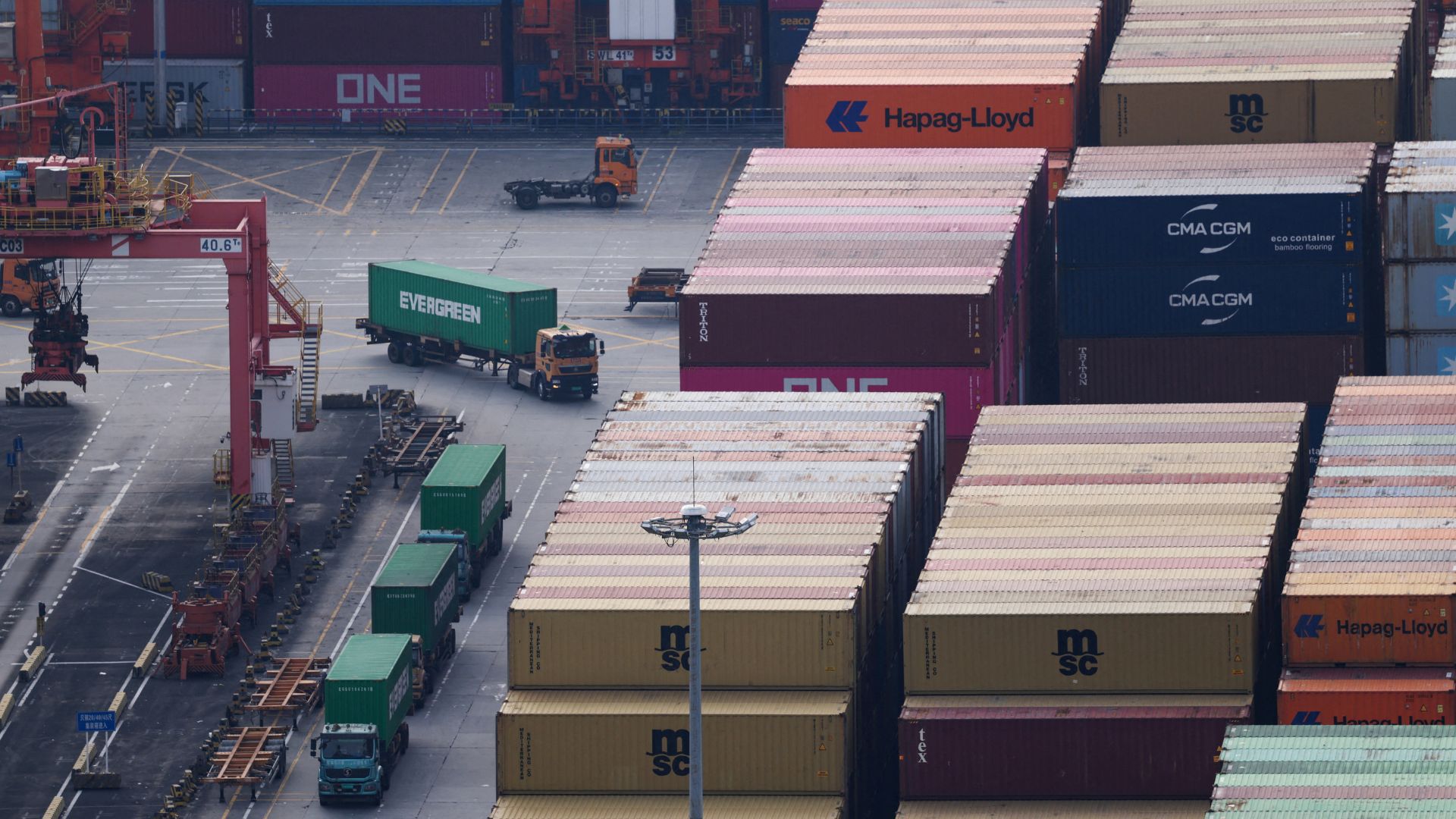
Reaching the $6.3 Trillion Mark: China's Trade Demonstrates Remarkable Resilience and a Shift Toward High-Value Activities
Reaching the $6.3 trillion mark, China's trade statistics have become a focal point of analysis for economists and policymakers alike. In 2025, China'...



Canton Fair: The "Green Transformation" Landmark of China's Industrial Capital
Held every two years in China’s industrial capital, the Canton Fair trade show has always been a large-scale event. As reported by Xinhua News Agency,...

China Manufacturing Rebounds in March 2026: What Buyers Should Watch
China Manufacturing Rebounds in March 2026: What Buyers Should Watch China’s March PMI has moved back above the 50-point mark, giving international b...
Ready to work with a sourcing team that’s built for real-world results?
From first quote to final delivery, China Sourcing Co helps you simplify sourcing, reduce risks, and scale with confidence.