



China Manufacturing Rebounds in March 2026: What Buyers Should Watch
 Tag
Tag Date
Date Reading Time
China Manufacturing Rebounds in March 2026: What Buyers Should Watch
China’s March PMI has moved back above the 50-point mark, giving international buyers a more positive signal on factory activity. But the recovery comes with higher input costs and continued supply chain pressure — factors that could influence sourcing decisions in the months ahead.

For companies sourcing from China, the latest manufacturing data offers more than an indication of economic recovery. It provides useful signals about supplier capacity, production costs, export demand, and potential changes in procurement conditions.
Manufacturing Activity Gives Buyers a Stronger Signal

China’s official PMI reached 50.4 in March, up from 49.0 in February and marking its highest reading in 12 months. The return above 50 indicates that manufacturing activity has moved back into expansion territory.
Production also strengthened, with the output index reaching 51.4. New orders climbed to 51.6, suggesting that factories are experiencing stronger demand and that production momentum is improving.
For international buyers, stronger factory activity can be encouraging when planning new orders or reviewing existing supply arrangements. However, higher activity can also put pressure on production capacity. Buyers working with high-volume orders should therefore pay close attention to factory capacity, production schedules, and fulfillment commitments.
Higher Production Costs Could Affect Sourcing Prices
One of the most important developments for procurement teams is the increase in manufacturing costs. The input price index rose to 63.9, while output prices reached 55.4, with both indicators recording their highest levels in four years.
Rising crude oil prices and higher costs for materials such as copper and aluminium are contributing to the pressure. Manufacturers may respond by absorbing some of these increases or adjusting their quotations to protect margins.
This means buyers should look beyond the initial unit price when comparing suppliers. A competitive quotation today may change if raw material or operating costs continue to rise. Reviewing quotation validity, material specifications, order volumes, payment terms, and total landed costs can help buyers make more reliable procurement decisions.
Supplier Capacity and Lead Times Need Attention
The recovery in production does not necessarily mean that supply chain conditions have returned to normal. The employment sub-index remained below the expansion threshold at 48.6, while supplier delivery times continued to show pressure.
For buyers, these indicators highlight the importance of checking whether a supplier can maintain production and delivery commitments as demand improves.
Lead times can have a direct effect on inventory planning, shipping schedules, and customer fulfillment. Before placing larger orders, international buyers may benefit from confirming production capacity, manufacturing timelines, raw material availability, and quality control procedures with their suppliers.
Export Demand Remains a Watchpoint
China’s new export orders index improved to 49.1 in March but remained below the 50-point expansion threshold. This suggests that external demand is showing signs of stabilization but has not yet entered clear growth territory.
Certain sectors, particularly Chinese technology products and AI-related hardware, continue to see strong international interest. However, demand conditions can vary significantly by product category and destination market.
For companies sourcing from China, this makes supplier and market research particularly important. Rather than relying only on broad economic indicators, buyers should assess the specific conditions affecting their product category, supplier base, and target market.
What Buyers Should Consider When Sourcing From China
The March manufacturing figures present a generally encouraging outlook, but they also show why procurement decisions should be based on more than factory pricing.
Buyers should consider several factors when evaluating Chinese suppliers, including:
- Production capacity and manufacturing capabilities
- Product quality and quality control procedures
- Raw material availability and cost fluctuations
- Production and shipping lead times
- Pricing transparency and quotation validity
- Supplier reliability and communication
- Logistics and total landed costs
A supplier that offers the lowest initial price may not necessarily provide the best overall sourcing value. Strong supplier verification and ongoing quality monitoring can help businesses reduce unexpected costs and delivery risks.
>> See more: China’s March PMI Reaches 50.4 Amid Middle East Conflict Pressures
China Sourcing Supports Smarter Procurement Decisions
For international businesses looking to source from China, China Sourcing provides professional sourcing and procurement services to help buyers identify and work with suitable Chinese manufacturers and suppliers.

Its support covers key stages of the procurement process, including supplier identification and evaluation, factory audits, quality inspections, price negotiation, order coordination, and logistics support.
As China’s manufacturing sector regains momentum, international buyers may find new opportunities across the country’s extensive manufacturing base. At the same time, rising production costs and supply chain pressures make careful supplier selection increasingly important.
By combining supplier verification, quality control, procurement coordination, and logistics support, China Sourcing helps international buyers approach the Chinese market with greater visibility and control. The March PMI recovery is a positive signal, but for buyers, the real opportunity lies in understanding how changing factory conditions could affect sourcing costs, supplier performance, and delivery reliability.
Please subscribe to see the detail
Enter your email to gain full access to our resources
Get exclusive access from expert insights to streamline your supply chain.
Explore More Relative Resources
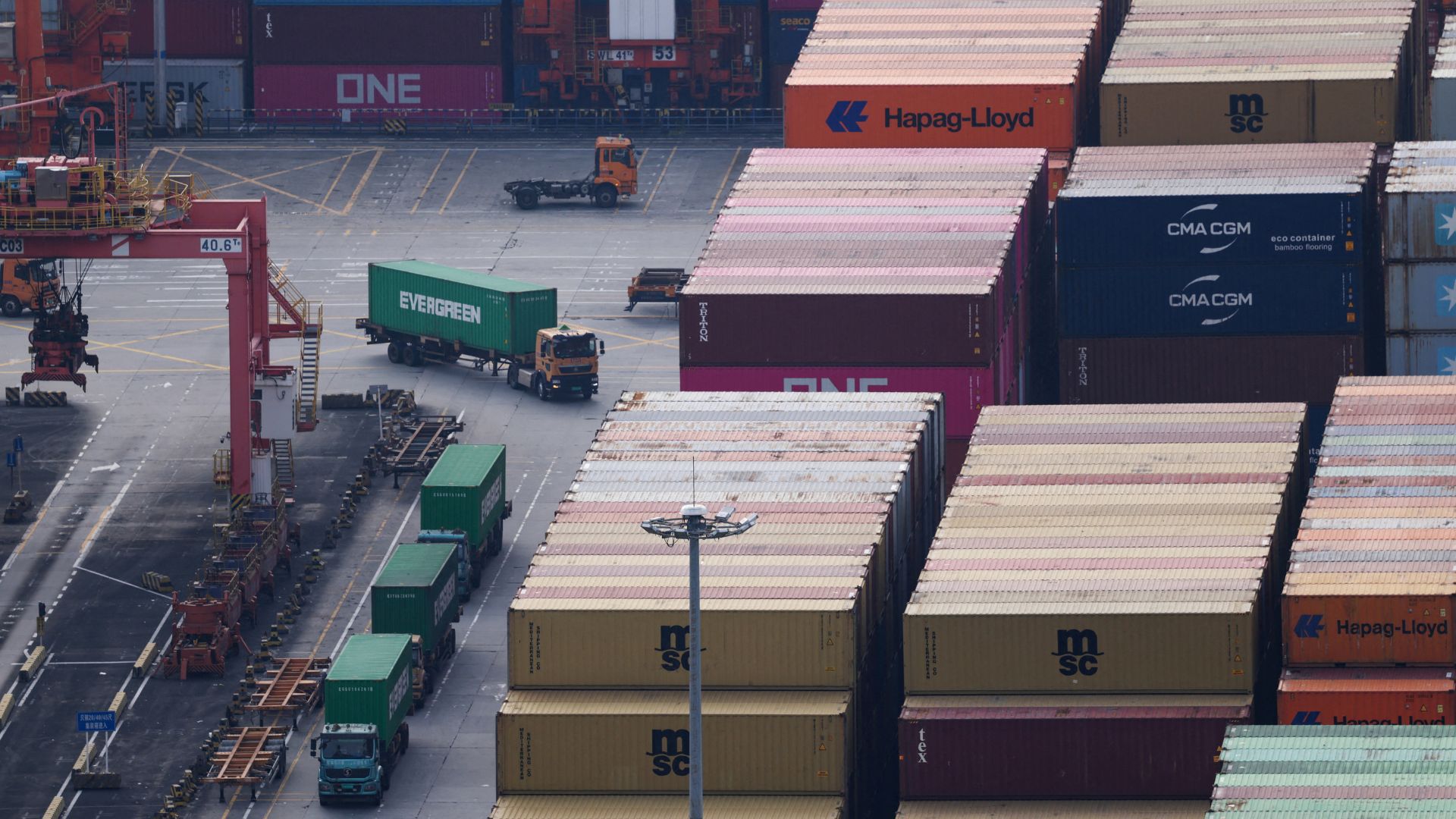
Reaching the $6.3 Trillion Mark: China's Trade Demonstrates Remarkable Resilience and a Shift Toward High-Value Activities
Reaching the $6.3 trillion mark, China's trade statistics have become a focal point of analysis for economists and policymakers alike. In 2025, China'...


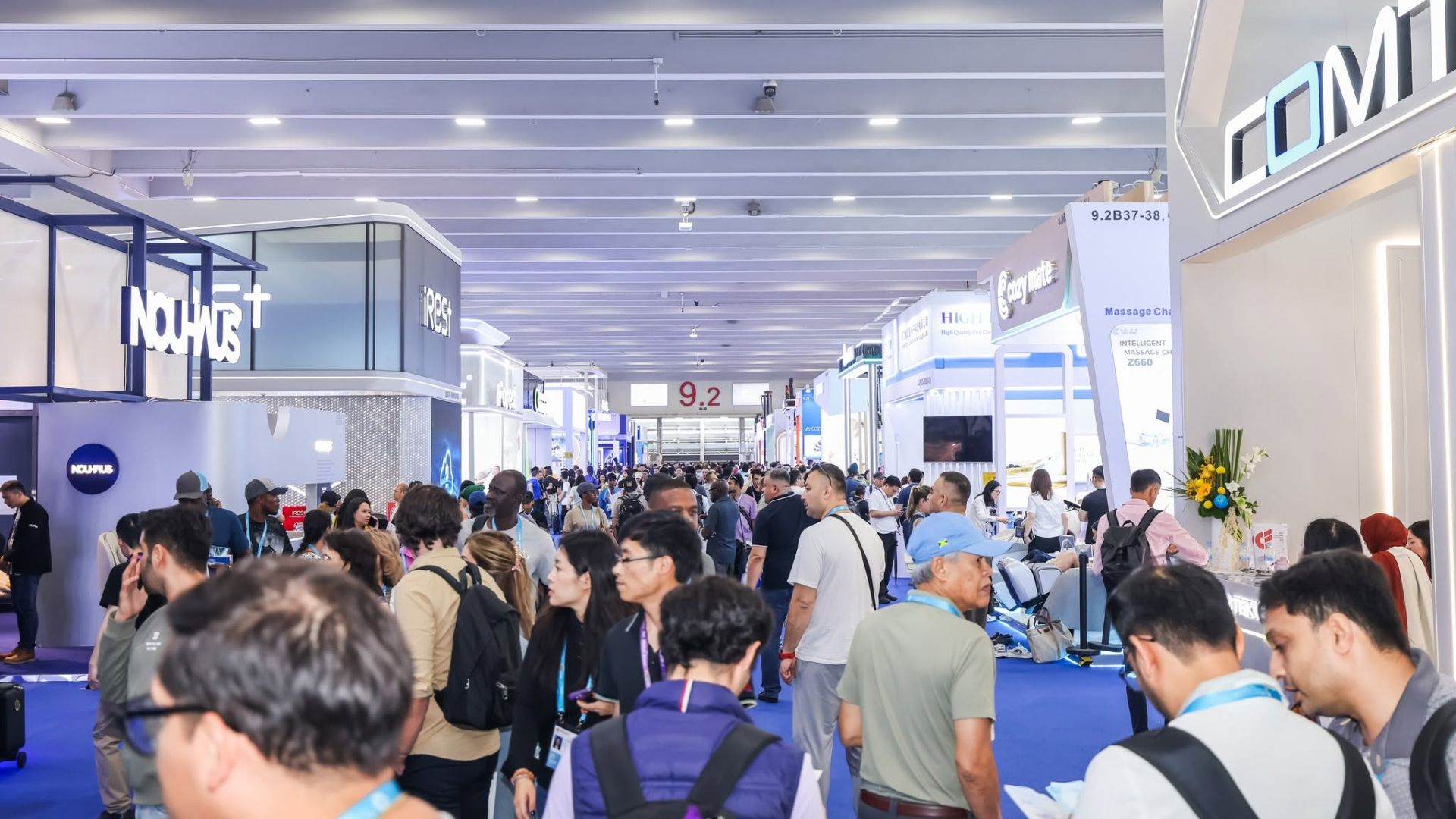
Canton Fair: The "Green Transformation" Landmark of China's Industrial Capital
Held every two years in China’s industrial capital, the Canton Fair trade show has always been a large-scale event. As reported by Xinhua News Agency,...

Wholesale Packaging Supplies from China: Where to Buy and What to Expect
In today's global economy, the demand for wholesale packaging supplies has increased significantly, particularly for businesses looking for wholesale ...
Ready to work with a sourcing team that’s built for real-world results?
From first quote to final delivery, China Sourcing Co helps you simplify sourcing, reduce risks, and scale with confidence.