



Packaging Products and Materials: Choosing the Right Packaging Solutions for Your Business
 Tag
Tag Date
Date Reading Time
In today’s competitive market, selecting the proper packaging solutions, particularly product packaging bags, is crucial for ensuring product safety, sustainability, and consumer attraction. Various designs, materials, and technologies can effectively address your packaging needs. Understanding the choices available will empower you to make informed decisions that resonate with your brand ethos while ensuring customer satisfaction.
Overview of Commercial Packaging Products & Materials
Packaging serves as the first line of defense for your products. It not only protects goods during transit but also plays a vital role in brand messaging and marketing. The landscape of packaging products and materials has grown broader with advancements in technology and awareness about sustainability.
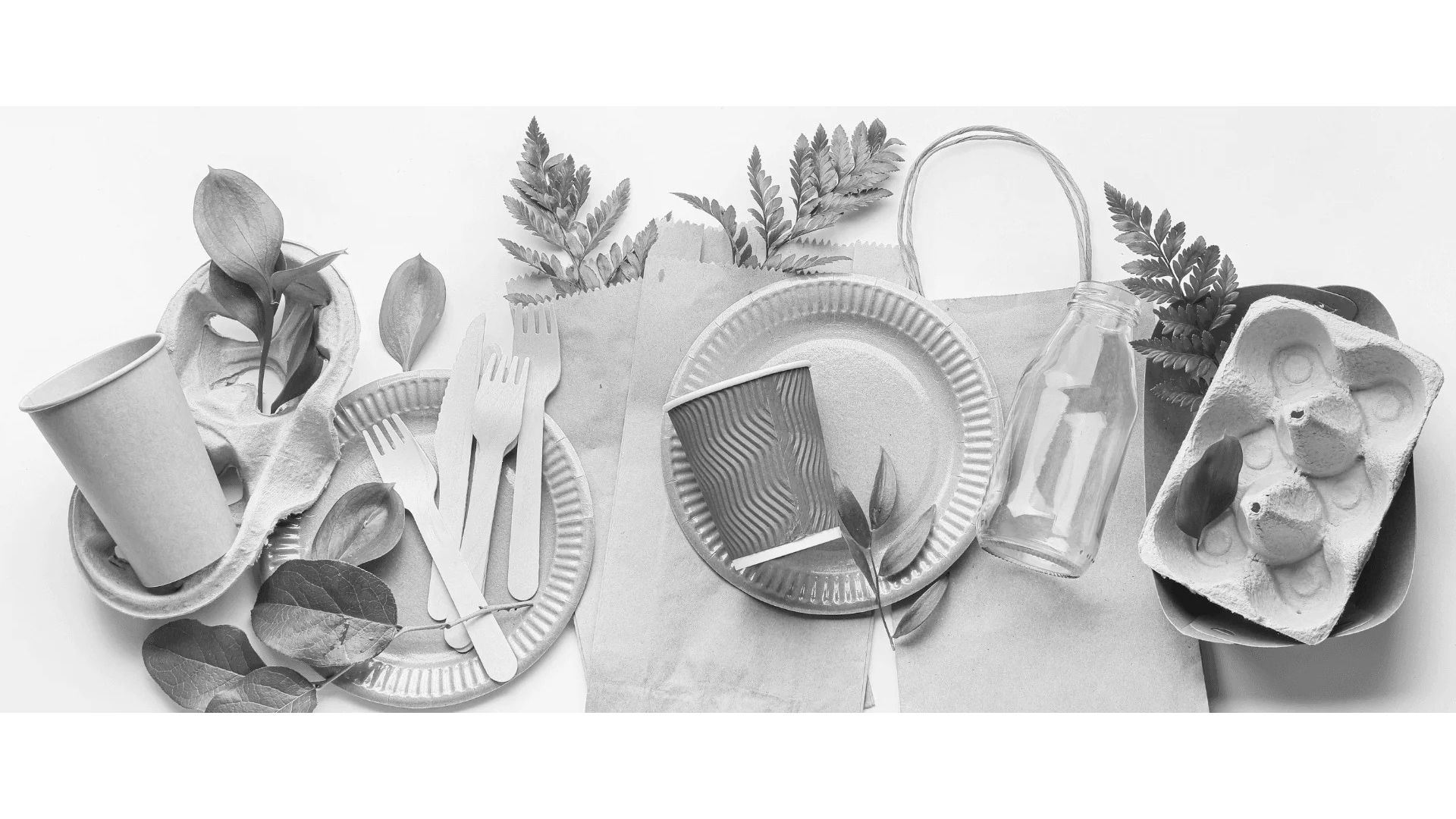
When considering your options, it’s essential to understand the different types of packaging materials available. From product packaging bags to cardboard packaging box, various solutions provide unique advantages and complexities. These materials can either enhance or hinder your product’s marketability, meaning informed choices are necessary. The integration of innovative designs, sustainability practices, and cost-efficient manufacturing will determine the success of your packaging strategy.
In recent years, there has been a surge in sustainable practices, prompting businesses to rethink conventional materials. Packaging options that cater to both environmental concerns and consumer demands for quality are increasingly popular. As consumers become more eco-conscious, brands must adapt their packaging to reflect these values or risk losing market relevance.
The Importance of Effective Packaging
Effective packaging can influence a customer’s decision-making process by establishing a connection between the product and the consumer through visual appeal, texture, and functionality.
Proper packaging:
- Ensures product security during shipping.
- Affects shopping experience and brand perception.
- Can significantly reduce costs in the supply chain through optimized logistics.
Choosing the right packaging materials requires careful consideration of your goods, target market, and branding strategy. By focusing on practicality without sacrificing aesthetics, you can create a compelling packaging solution that draws customers.
Quick Classification of Popular Packaging Materials Today
Understanding the landscape of packaging materials is critical for any business. Packaging materials can generally be classified into three broad categories: rigid, semi-rigid, and flexible. Each category serves distinct purposes, dependent on the type of product within and the branding message you wish to convey.

Rigid Packaging
Rigid packaging materials, such as glass and hard plastics, are well-known for their robust nature. These materials are frequently used for products requiring utmost protection, such as pharmaceuticals, food beverages, and electronics. They exhibit high durability and can create a luxury branding touch due to their premium appearance.
Below are some key advantages of rigid packaging:
- Provides excellent protection against physical damage.
- Can be visually appealing, enhancing brand image.
- Can be designed for reusable and returnable transportation applications.
Semi-Rigid Packaging
Semi-rigid materials bridge the gap between flexible and rigid. Common examples include plastic containers and tubs. These materials combine the durability of rigid packaging and the adaptability of flexible packaging, making them suitable for products that occasionally need to change shape or volume.
Advantages of semi-rigid packaging include:
- Versatility for various contents, from food to cosmetics.
- Cost-effective production compared to fully rigid structures.
- Space-efficient designs for storage and transportation.
Flexible Packaging
Flexible packaging has gained immense popularity over recent years, largely due to its lightweight nature and a wide variety of formats. This category includes product packaging bags, film pouches, shrink sleeves, and any packaging that can be easily manipulated.
Here are some key benefits of utilizing flexible packaging:
- Allows for intricate designs and printing, incorporating branding elements seamlessly.
- Reduces freight costs due to lighter weight.
- Often utilizes recyclable materials, appealing to environmentally conscious consumers.
Flexible packaging represents the future of packaging design, offering convenience and sustainability if managed correctly.
Why Is a Cardboard Packaging Box Still the Top Choice for Businesses?
Despite the proliferation of flexible and sustainable packaging alternatives, many businesses continue to favor cardboard packaging box. Their unique blend of durability, adaptability, and cost-effectiveness has made them a mainstay in the industry.

Superior Structural Integrity & Stacking Strength
One of the defining characteristics of cardboard packaging is its exceptional strength when designed correctly.
- This strength enables safe transport and storage of products.
- The ability to stack products securely in transit not only minimizes damages but also maximizes space in distribution and retail environments.
Cardboard boxes can endure higher loads than many flexible alternatives, making them a reliable choice for a variety of industries, from electronics to food service. Quality cardboard can also resist moisture, protecting the contents within.
Cost-Effective Printing & Eco-Friendly Recyclability
Another significant advantage of cardboard packaging lies in the printing capabilities.
- Businesses can easily incorporate vibrant graphics, logos, and other branding elements on cardboard surfaces, creating visually striking presentations.
- This capacity for personalization allows brands to tell their story and engage consumers effectively.
Moreover, cardboard packaging boxes are generally made from renewable resources, enhancing their sustainability credentials. The cardboard can often be recycled multiple times, making it an attractive choice for businesses wanting to convey a commitment to eco-friendliness.
Bridging Tradition with Modern Solutions
Even with increasing digitalization, traditional cardboard packaging proves adaptable. Innovations in coatings, protective layers, and structural design mean it can compete with flexible packaging options. For businesses considering an overhaul of their packaging strategy, re-evaluating cardboard as an option is essential.
How to Choose the Right Product Packaging Bags for Various Goods
Selecting the right product packaging bags for your products may seem straightforward, but careful consideration is necessary. Given a multitude of options, each designed for specific uses, knowing what will work best is crucial.
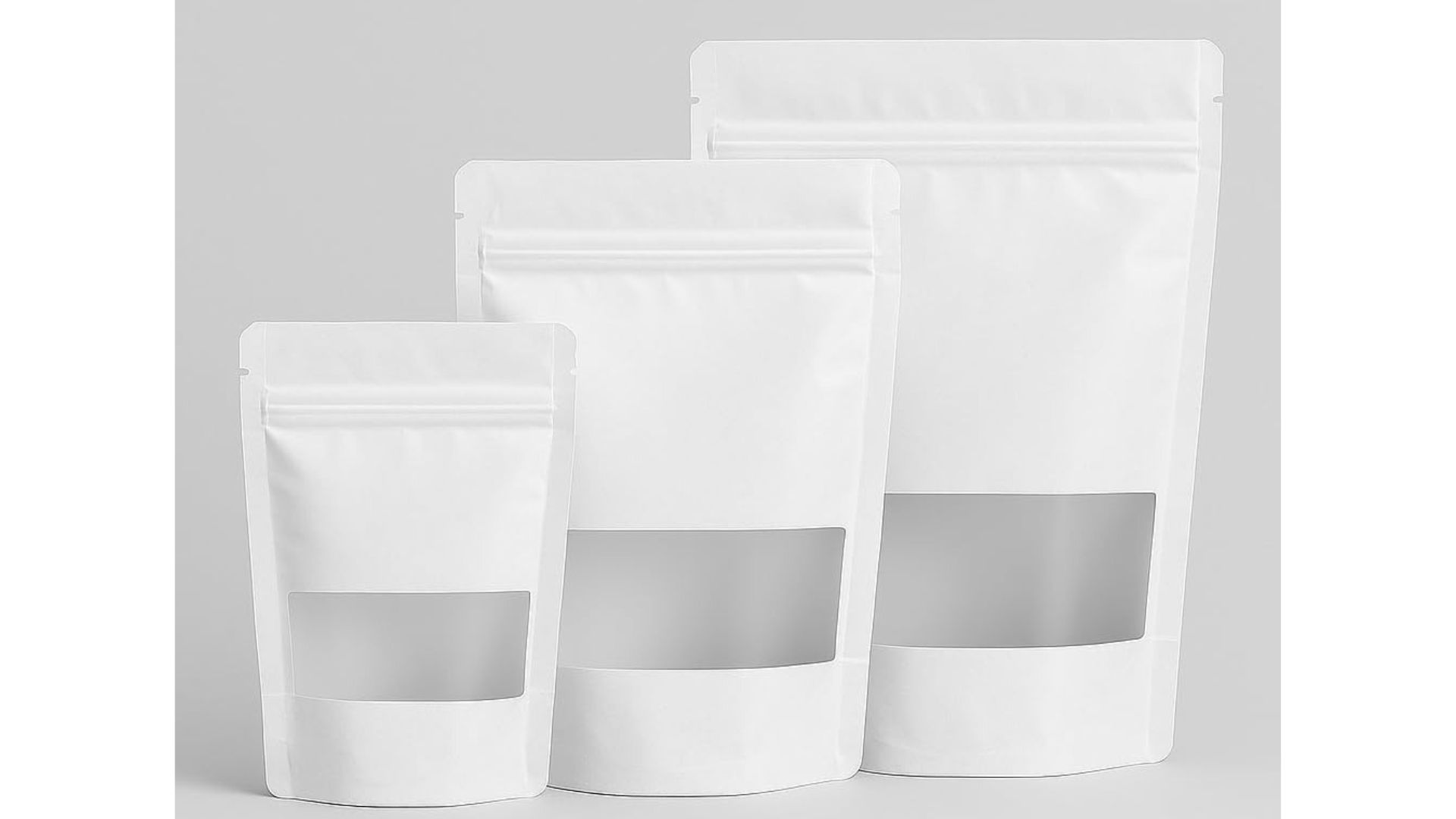
Selecting High-Barrier Laminate Structures for Packaging Bags
Different products have varying protection requirements, especially sensitive items like food and pharmaceuticals that need extra shielding from external factors.
High-barrier laminate structures assist in:
- Preventing moisture, oxygen, and light from affecting the quality of goods inside.
- Extending shelf life significantly, crucial for consumables and chemical products.
By opting for high-barrier options, brands not only protect the integrity of their products but can substantiate premium pricing based on superior quality and reliability.
Choosing Functional Formats: Stand-Up Zipper or Poly Mailers
Understanding the function of your packaging is critical to driving customer satisfaction and operational efficiency.
- Stand-up zipper bags allow for easy access and resealability, perfect for snacks and pet food. Their ability to maintain product freshness after opening caters to consumer demand for convenience.
- Conversely, poly mailers are often lighter and more cost-effective, making them ideal for shipping clothing, accessories, and non-fragile items. They offer protection while minimizing additional shipping costs, especially when shipped internationally.
Balancing Quality, Cost, and Branding
Regardless of your choice, weigh the quality against production costs and aesthetics. The correct bag must make a lasting impression while being budget-friendly to suit market needs and demands.
>> See more: China Packaging Sourcing: The Ultimate Hub for Packaging Manufacturers and Wholesale Packaging
Comparing Popular Packaging Materials: Paperboard Boxes vs. Flexible Pouches
When choosing between packaging materials, businesses frequently assess trade-offs between paperboard boxes and flexible pouches. Both options possess unique advantages and limitations, significant to various goods and industries.
Protection Capability & Structural Form
When considering protection capability, paperboard boxes provide a sturdy layer of defense against physical damage.
| Comparison Factor | Paperboard Boxes | Flexible Pouches |
|---|---|---|
| Protection Capability | Strong structural support for fragile or heavy products and resists crushing during storage and transport. | Best suited for lightweight products with protection against moisture, oxygen, and UV exposure when properly sealed. |
| Structural Form | Rigid design allows secure stacking and maintains package shape. | Flexible structure reduces bulk and adapts to product shape, saving storage space. |
| Freight Cost Efficiency | Slightly heavier, resulting in higher shipping costs for large-volume orders. | Lightweight and compact, helping reduce freight costs and improve shipping efficiency. |
| Portability | Easy to handle but requires more storage and transportation space. | Compact and lightweight, making storage, transportation, and handling more convenient. |
| Customer Experience | Delivers a premium unboxing experience and reinforces brand value. | Offers convenience and practicality, especially for everyday consumer products. |
| Best Applications | Electronics, cosmetics, luxury goods, gift packaging, and retail products. | Food, beverages, pet food, supplements, and other fast-moving consumer goods. |
Criteria for Evaluating and Selecting Reliable Packaging Box Manufacturers
Identifying and partnering with trustworthy packaging box manufacturers can significantly influence the success of your product. It’s crucial to approach the selection process with thorough due diligence to ensure you choose the right partner.

Auditing Machinery Infrastructure & ISO/FSC Certifications
The backbone of any manufacturing process lies in its machinery and infrastructure. Evaluate the manufacturing capabilities of your suppliers.
- Invest time in auditing their machinery infrastructure and workflow processes. Ensuring that their technology aligns with industry standards is imperative for producing consistent product quality.
Physical Prototype Testing & Quality Assurance Agreements (QAA)
Evaluating a manufacturer involves more than checking credentials; it’s also about performance and reliability.
- Request physical samples and prototypes of their capabilities early in the negotiations. This practical testing permits you to see firsthand the craftsmanship and durability of the packaging they produce.
- Furthermore, demand a clear Quality Assurance Agreement (QAA) to ensure standards are upheld during production runs. This document protects both parties and serves as a framework for consistent performance.
Frequently Asked Questions When Selecting Packaging products and Materials (FAQ)
How many plies should a cardboard packaging box have for export shipping?
Export shipping requires durability and resilience. A standard recommendation is to use a minimum of three plies (or layers) for cardboard packaging box designated for international shipping. Multi-ply designs provide extra strength and resistance against the rigors of long-distance transport. This configuration minimizes the risk of product damage from varying climate conditions and handling practices.
What is the difference between aluminum foil (AL) and metallized film (MPET) in product packaging bags?
Aluminum foil (AL) is heavier and offers superior barrier properties against moisture, odors, and light; thus, it’s commonly used for products needing long shelf lives. On the other hand, metallized film (MPET) is lighter and less expensive while still garnering reasonable barrier properties. Companies often choose metallized films for flexible packaging solutions due to their cost-effectiveness and versatile applications.
How do you verify if packaging box manufacturers maintain proper paperboard moisture control?
To verify moisture control practices, inquire about the manufacturer’s facilities and how they manage humidity levels. Request documentation or certifications regarding their moisture control processes. Many manufacturers utilize humidity-controlled environments when storing paperboard to preserve its integrity, which directly influences the quality of the final product.
Conclusion
 Choosing the appropriate packaging materials, such as product packaging bags or cardboard packaging boxes, significantly impacts brand perception, product safety, and cost efficiency. In today’s market, businesses must understand the options available, from flexible packaging solutions to rigid structures, recognizing that every choice can influence the customer’s experience and the bottom line. Evaluating suppliers with rigorous criteria ensures that you partner with manufacturers who uphold industry standards and foster successful business operations. By prioritizing quality and sustainability while meeting your target audience’s needs, you can create packaging that becomes an essential element of your brand’s identity, leading to long-term success. For businesses expanding their sourcing operations across Asia, China Sourcing Co and Vietnam Sourcing Co. serve as regional procurement resources that meet diverse sourcing requirements, offering additional options for your consideration.
Please subscribe to see the detail
Enter your email to gain full access to our resources
Get exclusive access from expert insights to streamline your supply chain.
Explore More Relative Resources
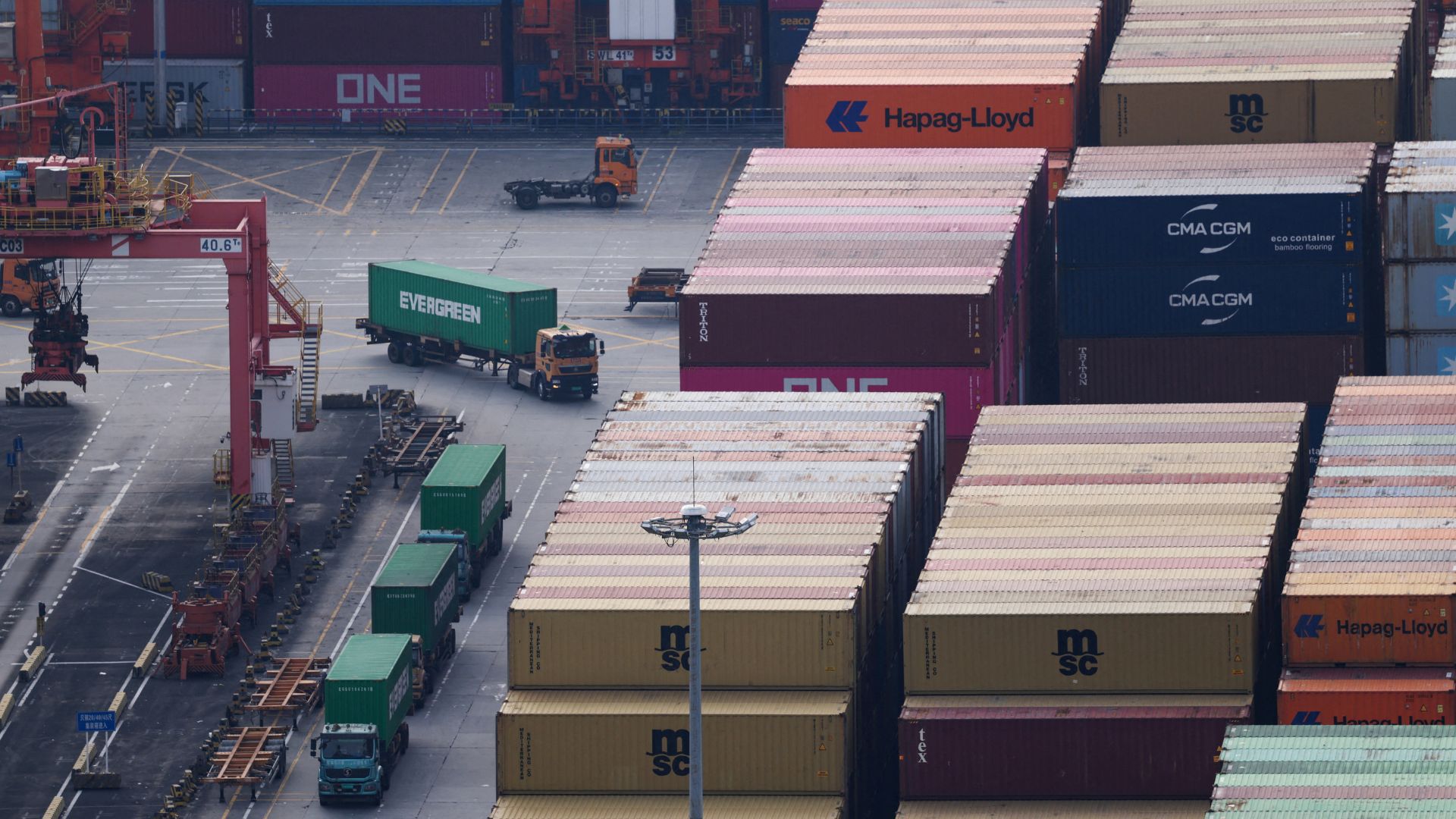
Reaching the $6.3 Trillion Mark: China's Trade Demonstrates Remarkable Resilience and a Shift Toward High-Value Activities
Reaching the $6.3 trillion mark, China's trade statistics have become a focal point of analysis for economists and policymakers alike. In 2025, China'...


Canton Fair: The "Green Transformation" Landmark of China's Industrial Capital
Held every two years in China’s industrial capital, the Canton Fair trade show has always been a large-scale event. As reported by Xinhua News Agency,...

China Manufacturing Rebounds in March 2026: What Buyers Should Watch
China Manufacturing Rebounds in March 2026: What Buyers Should Watch China’s March PMI has moved back above the 50-point mark, giving international b...
Ready to work with a sourcing team that’s built for real-world results?
From first quote to final delivery, China Sourcing Co helps you simplify sourcing, reduce risks, and scale with confidence.