



Building Agile Supply Chains: Optimizing Global Sourcing for a Resilient Future
 Tag
Tag Date
Date Reading Time
In today’s rapidly changing global marketplace, adopting the China Plus One strategy and optimizing global sourcing have gained unprecedented significance for building agile supply chains. Organizations must adapt quickly to shifting dynamics, mitigate overreliance risks, and leverage opportunities beyond traditional sourcing practices. Robust supply networks that can pivot and adapt have emerged as a necessity rather than an option, laying the groundwork for operational efficiency and sustained growth.
The Big Picture: Why Risk Dispersion Has Become a Critical Imperative
Navigating the complexities of global supply chains has taken on new importance in recent years, particularly amid the turbulence caused by geopolitical tensions, health crises, and economic fluctuations. Companies increasingly recognize the need to diversify their sourcing strategies. Relying solely on one region or supplier can lead to dire consequences, especially when that supply chain becomes vulnerable to single-point disruptions.
Core Concept of China Plus One (C+1): Adding Manufacturing Nodes Outside China
The concept of China Plus One, often abbreviated as C+1, represents a strategic pivot toward diversifying manufacturing operations without abandoning China altogether. This approach maintains the benefits of China’s robust supply chain capabilities while also tapping into additional markets as a contingency plan. This dual sourcing strategy enables companies to reduce dependency on single sources, thus increasing resilience against unexpected disruptions.
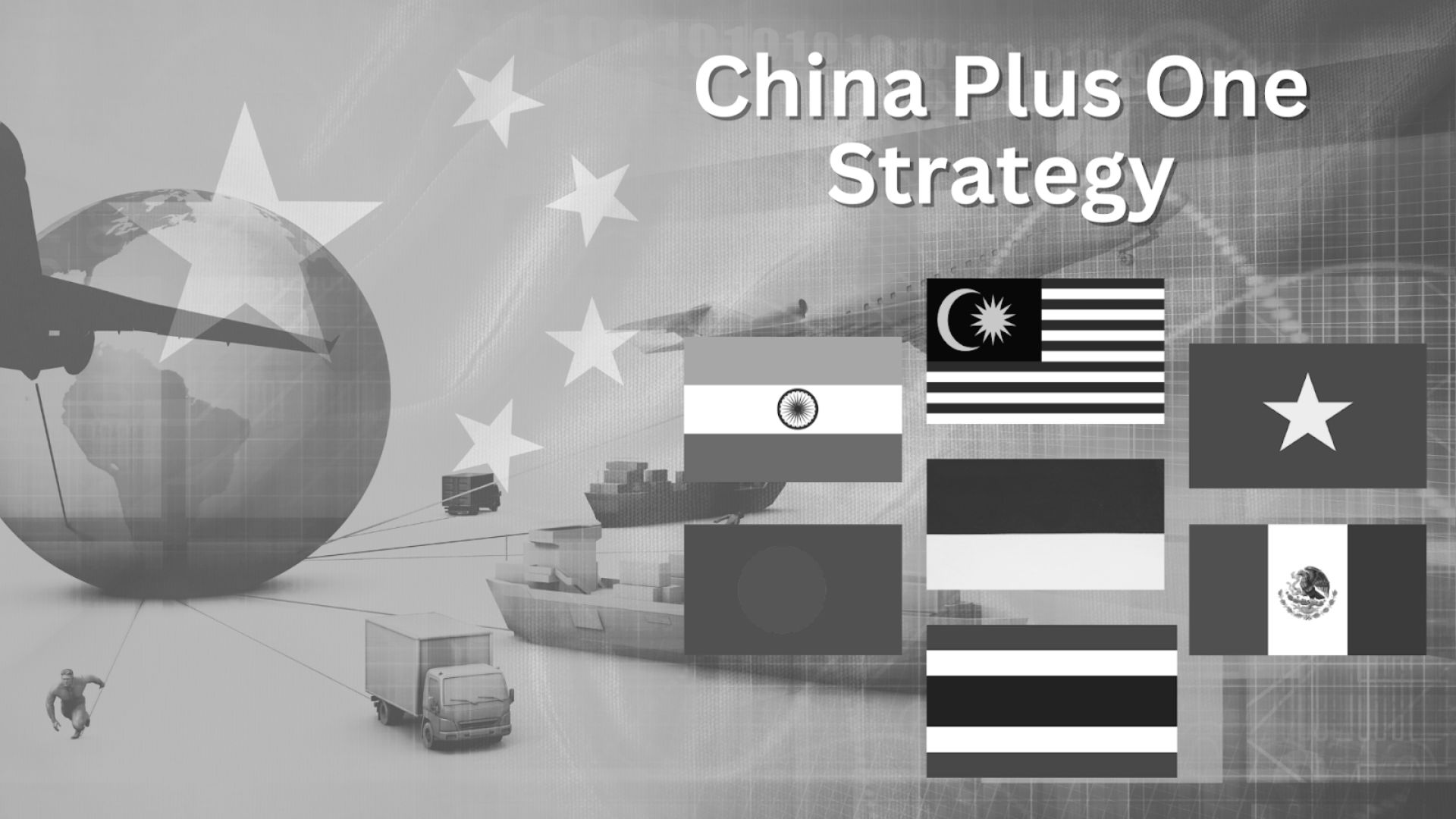
Additionally, adopting C+1 allows businesses to leverage the advantages offered by these emerging markets. Countries like Vietnam and India present attractive opportunities for scaling operations, whether through economic incentives, lower labor costs, or an expanding consumer base. By integrating multiple locations into their supply chain framework, businesses can enjoy enhanced flexibility and adaptability.
>> See more: Wholesale Packaging Supplies from China: Where to Buy and What to Expect
Geopolitical & Economic Context Driving the New Wave
Recent global events have placed immense pressure on supply chains across sectors. The COVID-19 pandemic, for example, highlighted the frailty of globalized systems heavily reliant on singular manufacturing hubs. The fallout from such unprecedented disruptions has forced companies to rethink their sourcing practices fundamentally.
- Risk of Global Supply Chain Disruptions: As the world becomes increasingly interconnected, any disruption to a major supply chain node can have cascading effects. Natural disasters, geopolitical conflicts, and pandemics may severely affect logistics and delivery timelines. Companies must prioritize strategic planning and risk assessment to ensure continuity and resilience in their supply chains.
- Pressure from Tariffs, Trade Wars, and Tightening Regulatory Compliances: Recent trade wars and the imposition of tariffs can dramatically affect sourcing strategies. Companies must navigate the complexities of increasing costs, particularly when relying on politically volatile regions. Additionally, tightening regulations, including those addressing environmental, social, and governance (ESG) standards, require proactive planning and compliance to avoid penalties and maintain business integrity.
- Rising Labor Costs in China: Though historically recognized as a low-cost manufacturing powerhouse, China has seen rising labor costs and increased regulations that threaten its position as a competitive sourcing hub. As companies forecast future developments, they need to evaluate whether continued reliance on Chinese manufacturing is sustainable or whether exploring alternative markets is a more viable long-term strategy.
Two-Sided Evaluation of the Manufacturing Relocation Dilemma
As companies explore the implications of relocating manufacturing operations, it’s critical to evaluate this decision from both a strategic benefits and risk perspective. Recognizing the underlying motivations and potential hurdles can help organizations navigate toward optimal outcomes in their supply chain strategies.

Strategic Benefits (Gained Value)
Opting for a diversified sourcing strategy can yield a plethora of advantages. Manufacturers can enhance their operational resilience and capitalize on emerging opportunities across new markets.
- Flexibility and Adaptability: Engaging multiple production facilities allows for more significant flexibility, enabling companies to respond to unforeseen market demands swiftly. When one location is compromised, manufacturers can redistribute orders and leverage alternative resources to meet customer needs.
- Access to New Markets and Customers: Expanding supply chain operations internationally can lead to increased access to new customers and markets. This not only boosts overall revenue potential but also mitigates the risk associated with economic downturns in any single country.
- Enhanced Innovation and Collaboration: Establishing partnerships and collaborations with suppliers across multiple countries fosters innovation and technological advancement. New ideas can flow easily by working with diverse cultures and expertise, resulting in superior product offerings and market success.
Inherent Risks & Challenges (Costs & Trade-offs)
While the benefits of a diversified sourcing strategy are significant, businesses must also analyze the inherent risks and challenges that come with such decisions.
- Increased Complexity in Management: Managing an expanded network of suppliers and operational nodes can complicate logistics and communication. Companies must ensure their internal structures adapt accordingly, investing in technology and talent to stay ahead of potential challenges.
- Potential Quality Control Issues: As operations are distributed across various locations, maintaining consistent quality can become a daunting task. Thorough assessments and collaboration with new suppliers are crucial to ensure product quality remains unaffected during the transition to a multi-location supply chain.
- Trade-Offs in Cost Structures: Though alternative markets may offer lower labor costs, businesses must carefully consider the overall cost structure. Factors such as shipping, tariffs, and varying regulations can affect the overall financial viability of new operations. A nuanced understanding of local economies and market conditions is essential in determining the best course of action.
A 5-Step Framework for Evaluating and Selecting the Ideal “+1” Destination
When businesses embark on the journey of finding the ideal secondary sourcing destination, they must undertake a comprehensive evaluation process. Leveraging a structured approach can simplify decision-making and drive informed choices.
Infrastructure & Logistics Capabilities
Sound infrastructure is paramount for efficient supply chain operations. This encompasses transportation access, warehousing facilities, and technology-enabled systems that aid in the swift movement of goods.
- Connectivity and Transportation Networks: The chosen destination should have strong transportation networks, including seaports, airports, and roadways. A reliable framework can ensure timely delivery of components and end-products to customers worldwide.
- Availability of Modern Facilities: Access to advanced warehouse facilities equipped with the latest technology can enhance operational efficiency and minimize delays. Additionally, compatibility with existing supply chain software systems is essential for seamless integration.
Cost Structure & Government Investment Incentives
Understanding the economic landscape of the potential “+1” destination is crucial. Cost structures differ from one locale to another and significantly affect the long-term viability of operations.
- Labor Costs and Economic Incentives: Evaluating labor costs is essential when selecting locations. Some governments offer tax incentives or grants to encourage businesses to establish operations, thus enhancing the overall appeal of the destination.
- Import and Export Regulations: Comprehending the regulatory framework related to importing and exporting goods is vital. Favorable regulations can streamline operations, reduce shipping times, and minimize costs.
Workforce Availability & Skill Level
The competency of the local workforce is a key factor in determining a location’s suitability for manufacturing operations. Companies must gauge the availability of skilled labor and the potential for workforce development.
- Education and Training Programs: The presence of educational institutions that focus on technical training and manufacturing skills can significantly bolster the talent pool. Establishing partnerships with local training programs can further enhance access to a skilled workforce.
- Language and Cultural Considerations: Cultural compatibility and language proficiency between staff members can simplify communication and facilitate smoother collaborations. Awareness of local customs and practices should also inform relationship building.
Prominent Destinations: Comparative Strengths of Alternative Markets
As organizations assess potential markets to add to their sourcing strategies, some locations have gained traction as leading contenders. Factors such as political stability, workforce skills, and logistical capabilities play a significant role in determining the strength of these alternative markets.
Vietnam – A Strategic Gateway and Critical Supply Chain Link
Vietnam is quickly emerging as a favored destination for supply chain diversification. The country’s favorable business environment and government initiatives have transformed its manufacturing capabilities.
- Strategic Location in Southeast Asia: Geographically, Vietnam sits conveniently within Southeast Asia, providing easy access to other key markets. Its proximity to China offers a logistical advantage for companies looking to balance suppliers across multiple production hubs.
- Supporting Infrastructure and Investment: Vietnam has invested substantially in infrastructure development, resulting in improved logistics and transportation systems. Companies benefit from modern facilities capable of accommodating advanced manufacturing practices.
- Government Incentives and Economic Growth: The Vietnamese government recognizes the strategic importance of foreign investment and has implemented favorable policies to attract businesses. These incentives help create a thriving environment ripe for growth.
India – Large-Scale Manufacturing Power and Domestic Market Potential
India has gained prominence as a manufacturing powerhouse, thanks to its robust workforce and vast internal market potential. As companies seek to optimize their supply chains, its strengths cannot be overlooked.
- Expanding Manufacturing Ecosystem: India’s significant investment in manufacturing infrastructure has solidified its reputation as a reliable alternative. The country’s ambition to become a global manufacturing hub is bolstered by initiatives like “Make in India” that prioritize local production.
- Large Consumer Market: With a burgeoning middle class and growing consumer demand, India offers businesses ample opportunities to tap into its domestic market. Investments in manufacturing operations not only support exporters but also position companies to serve local customers effectively.
- Technological Advancements and Innovation: India’s expanding tech ecosystem provides opportunities for collaboration in innovation and product development. By establishing roots in India, businesses can leverage cutting-edge technologies to increase operational efficiency.
Future Outlook: Building Multi-Tiered and Agile Supply Chains
In this rapidly evolving landscape, organizations must continue evolving their supply chain strategies. Balancing complexity and risk while maintaining responsiveness will be key to thriving in the future.

Embracing Technology and Digitalization
The future of supply chain management is firmly rooted in technology. Digital tools and advanced analytics can illuminate trends and opportunities, providing businesses with the ability to adapt proactively. Companies that harness the power of data-driven insights will be better equipped to manage risk and optimize their operations.
A Focus on Sustainability
As environmental awareness continues to rise, sustainability must become an integral component of supply chain strategies. Striving for eco-friendly practices not only bolsters a company’s reputation but also meets the growing consumer demand for ethical products. Businesses must prioritize environmentally conscious sourcing decisions to maintain a competitive edge.
Building Resilient Relationships with Suppliers
Collaboration with suppliers in multiple regions is essential for navigating uncertainty. Developing robust relationships built on trust and transparency can improve communication and problem-solving capabilities. Organizations that invest in nurturing partnerships will be better poised to mitigate risks and seize emerging opportunities across their supply chains.
Optimizing Supply Chains Through China Sourcing: Emerging Opportunities and Challenges
While companies expand their sourcing strategies, understanding the evolving landscape of China remains vital. Several emerging opportunities and challenges are shaping a nuanced approach to sourcing from this region.

Navigating Regulatory Compliance and Risk Management
As global businesses increase their scrutiny of compliance, companies must ensure they understand the legal landscape governing their operations in China. Familiarity with evolving regulations helps businesses avoid penalties and navigate turmoil effectively.
Opportunities for Innovation and Collaboration
Forming strategic alliances within China can lead to innovative solutions and competitive advantages. Businesses can leverage China’s manufacturing expertise and technological capabilities while maintaining a diversified sourcing strategy.
Balancing Advantage with Strategic Positioning
The key to successful China sourcing lies in striking a balance between its advantages and strategic positioning. Organizations can harness the immense capabilities of China’s manufacturing base while gracefully integrating additional markets into their supply chain frameworks.
Conclusion
In an era necessitating agility and resilience, adopting the China Plus One strategy and optimizing global sourcing are no longer mere strategic aspirations; they have transformed into imperative actions for successful companies. The complexities of geopolitical shifts, external threats, and evolving customer demands are reshaping procurement models, triggering the exploration of alternative manufacturing destinations. By leveraging frameworks to assess the ideal “+1” hub, tapping into the strengths of markets like Vietnam and India, and staying responsive to sustainability pressures, businesses can build multifaceted, agile supply chains. The journey to operational resilience demands continuous adaptation and collaboration vital factors for maintaining a competitive edge in the global marketplace.
Please subscribe to see the detail
Enter your email to gain full access to our resources
Get exclusive access from expert insights to streamline your supply chain.
Explore More Relative Resources
Reaching the $6.3 Trillion Mark: China's Trade Demonstrates Remarkable Resilience and a Shift Toward High-Value Activities
Reaching the $6.3 trillion mark, China's trade statistics have become a focal point of analysis for economists and policymakers alike. In 2025, China'...



Canton Fair: The "Green Transformation" Landmark of China's Industrial Capital
Held every two years in China’s industrial capital, the Canton Fair trade show has always been a large-scale event. As reported by Xinhua News Agency,...

China Manufacturing Rebounds in March 2026: What Buyers Should Watch
China Manufacturing Rebounds in March 2026: What Buyers Should Watch China’s March PMI has moved back above the 50-point mark, giving international b...
Ready to work with a sourcing team that’s built for real-world results?
From first quote to final delivery, China Sourcing Co helps you simplify sourcing, reduce risks, and scale with confidence.