



Understanding the Different Types of Product Sourcing Models for E-commerce
 Tag
 Date
 Reading Time
Summary
This process requires sourcing products from manufacturers, wholesalers, or specialized suppliers. Each product sourcing model comes with its own unique benefits and drawbacks. Selecting the right sourcing model enables your business to deliver quality products at competitive prices, differentiate your brand, and maximize profit margins.
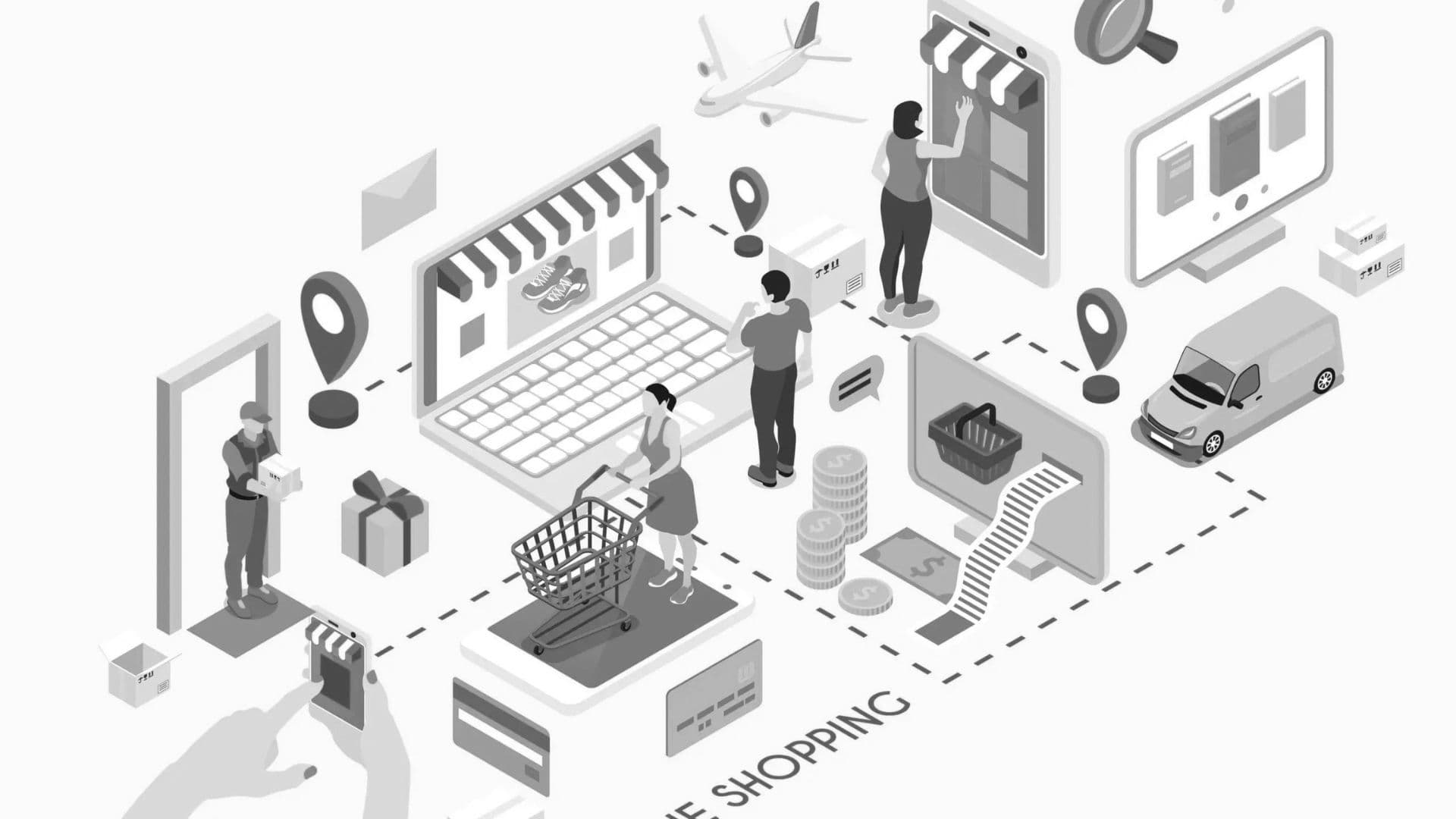
For e-commerce businesses, finding the right products to sell is critical to success. This process requires sourcing products from manufacturers, wholesalers, or specialized suppliers. Each product sourcing model comes with its own unique benefits and drawbacks. In this article, we explore the most common sourcing models today to help you select the optimal solution for your business operations.
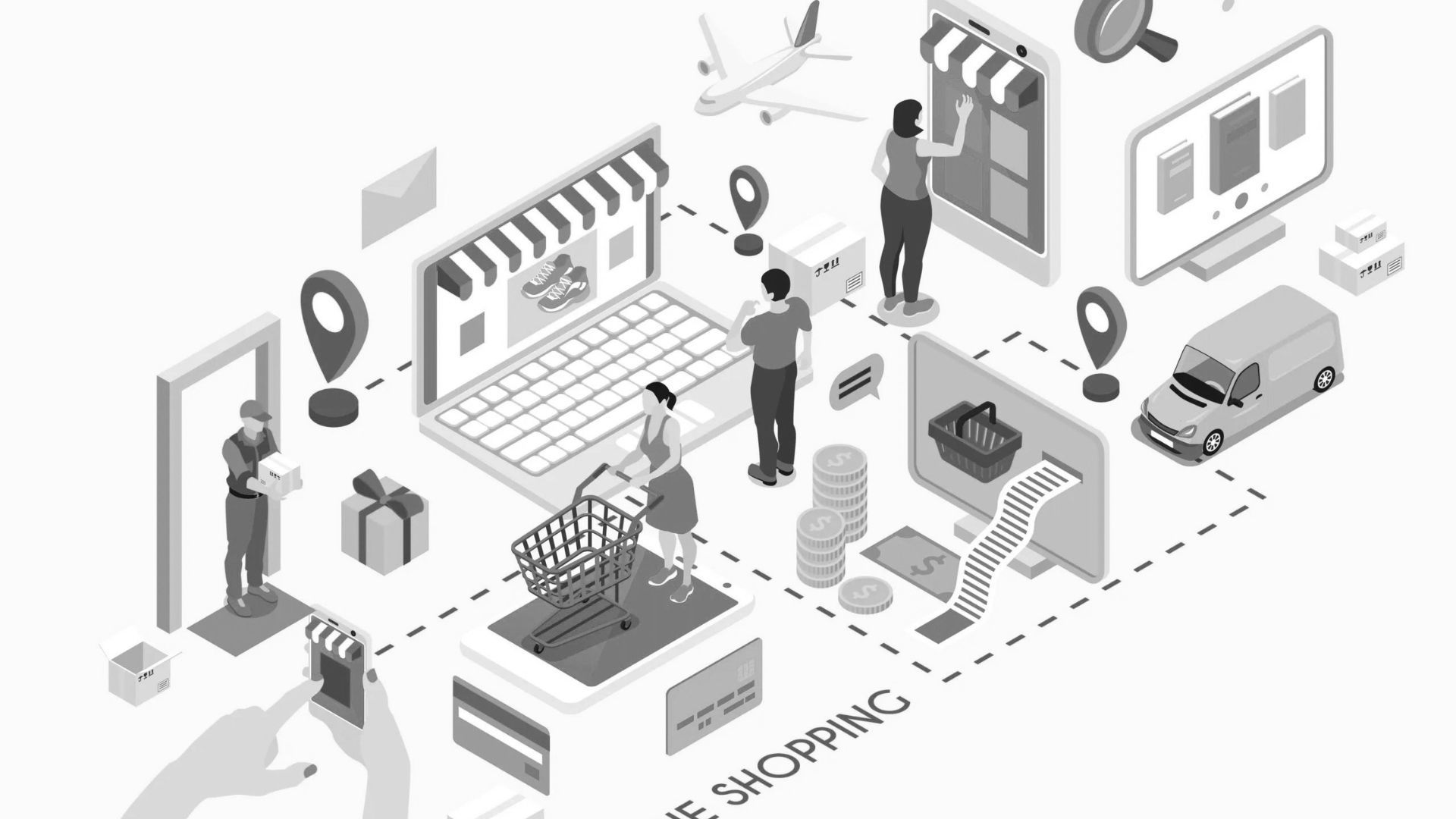
The Strategic Importance of Choosing the Right Product Sourcing Model
Selecting the right sourcing model enables your business to deliver quality products at competitive prices, differentiate your brand, and maximize profit margins. Conversely, an ill-suited model can result in excessive holding costs, razor-thin profit margins, and an inability to meet customer demand. Understanding the trade-offs of each approach ensures you allocate resources effectively and build sustainable, long-term competitive advantages.
5 Most Common Product Sourcing Models for E-Commerce
Dropshipping – Zero Upfront Inventory Investment
Dropshipping allows businesses to sell products without holding physical inventory. When an order is placed, the third-party supplier packs and ships the item directly to the end customer. The business earns a profit from the margin between the retail sales price and the supplier's wholesale cost.
Key Advantages:
Low Upfront Costs: Eliminates the need for large capital outlays in warehouse space or bulk inventory.
Reduced Risk: Freely test new product lines and markets without the fear of unsold stock or tied-up capital.
Operational Flexibility: Quickly add, update, or remove items from your catalog with minimal turnaround time.
Rapid Scalability: Expand transaction volume without being bottlenecked by physical fulfillment constraints.
Broad Product Selection: Offer a diverse catalog of merchandise across multiple supplier partnerships simultaneously.
Drawbacks: Direct control over product quality is limited, managing customer delivery expectations can be difficult, and shipping delays remain an ongoing operational challenge.
Wholesale – Maximizing Margins Through Bulk Purchasing
The wholesale model involves buying finished goods in bulk directly from manufacturers or distributors at discounted rates, then selling them to end consumers at retail prices. Purchasing at scale provides stronger pricing negotiation leverage and expands overall profit margins.
Key Advantages:
Cost Optimization: Bulk volume purchasing secures the most aggressive per-unit tier discounts.
Inventory Control: Direct visibility into physical stock levels, significantly lowering stockout risks during peak demand.
Quality Assurance: Hands-on inspection of goods and packaging standards prior to customer dispatch.
Private Label Options: Many wholesale distributors provide packaging customization and private branding add-ons.
Exclusive Distribution Rights: Opportunities to negotiate regional or platform-exclusive selling rights for selected product lines.
Drawbacks: Requires significant upfront working capital and exposes the business to holding risks if demand forecasts fall short.
Private Label – Building Distinct Brand Equity
Private labeling involves partnering with a contract manufacturer to produce customized goods sold exclusively under your own brand identity and custom packaging. This strategy allows businesses to escape commodity price wars and cultivate unique market positioning.
Key Advantages:
Product Exclusivity: Delivers distinct market differentiation over competing storefronts.
Higher Profit Margins: Customers are willing to pay a premium for credible, well-positioned brand names.
Rigorous Quality Standards: Total control over material specifications, design details, and finishing benchmarks.
Customer Loyalty: Fosters repeat purchases and strong customer retention through proprietary brand identity.
Drawbacks: Requires substantial investment in product development, brand design, intellectual property protection, and upfront marketing campaigns.
Direct Manufacturing – Complete Ownership of Design and Production
Direct manufacturing entails working closely with production facilities to build products from scratch based on exact technical specifications, engineering designs, and proprietary molds. This is the gold standard for innovators demanding absolute customization.
Key Advantages:
End-to-End Control: Complete governance over CAD designs, raw material selection, and rigorous quality check gates.
Unlimited Customization: Build one-of-a-kind products targeted precisely at high-value niche market demands.
Long-Term Cost Efficiency: Unit costs drop dramatically once production volumes achieve economies of scale.
Intellectual Property Protection: Secure complete ownership of proprietary utility and design patents.
Drawbacks: Involves high R&D expenditures, demanding Minimum Order Quantities (MOQs), and extended initial production lead times.
Consignment – Mitigating Working Capital Exposure
In a consignment model, the supplier places products with the retailer for display and sale, while ownership remains with the supplier until a purchase occurs. The business earns a negotiated commission percentage per completed transaction, making it an effective channel to test new lines risk-free.
Key Advantages:
Preserved Cash Flow: No upfront inventory expenditure; suppliers are reimbursed only after goods are sold.
Low-Risk Catalog Expansion: Rapidly experiment with trending product categories with zero deadstock liability.
Seamless Onboarding: Simple supplier agreements that lay the foundation for long-term commercial relationships.
Drawbacks: Retained profit margins per unit are typically modest, and it demands rigorous inventory tracking and regular reconciliation systems.
>> See more: The post October reality: Why export compliance is the new standard in 2026 China sourcing
How to Choose the Optimal Sourcing Strategy for Your Brand
No single sourcing model serves every business profile. Sustainable success relies on evaluating your operational framework across key criteria:
Financial Capital: Does your cash position support volume-driven procurement (Wholesale / Manufacturing), or does it necessitate asset-light alternatives (Dropshipping / Consignment)?
Target Audience Expectations: Are your end buyers driven primarily by lowest-cost pricing, or do they value proprietary designs, brand prestige, and premium finishing?
Brand Strategy: Are you looking to generate rapid short-term commercial cash flows, or are you focused on building lasting equity through a dedicated private label?
Bring Your Product Vision to Life with OneLink Holdings
With proven supply chain expertise and cross-border commercial execution, OneLink Holdings is uniquely positioned to guide your business from initial concept to commercial reality. Whether you are searching for factory partners or optimizing complex multi-tier supply chain operations, we deliver agile, scalable, and resilient sourcing solutions tailored to your growth objectives —discover our full range of services
Please subscribe to see the detail
Enter your email to gain full access to our resources
Get exclusive access from expert insights to streamline your supply chain.
Explore More Relative Resources

Iron Ore Prices Are Falling. Will Sourcing Steel Products from China Get Cheaper?
For businesses sourcing steel products from China, development raises an important question: will lower raw material prices translate into cheaper factory quotations?


Tech Exports - China's Lifeline for Economic Growth
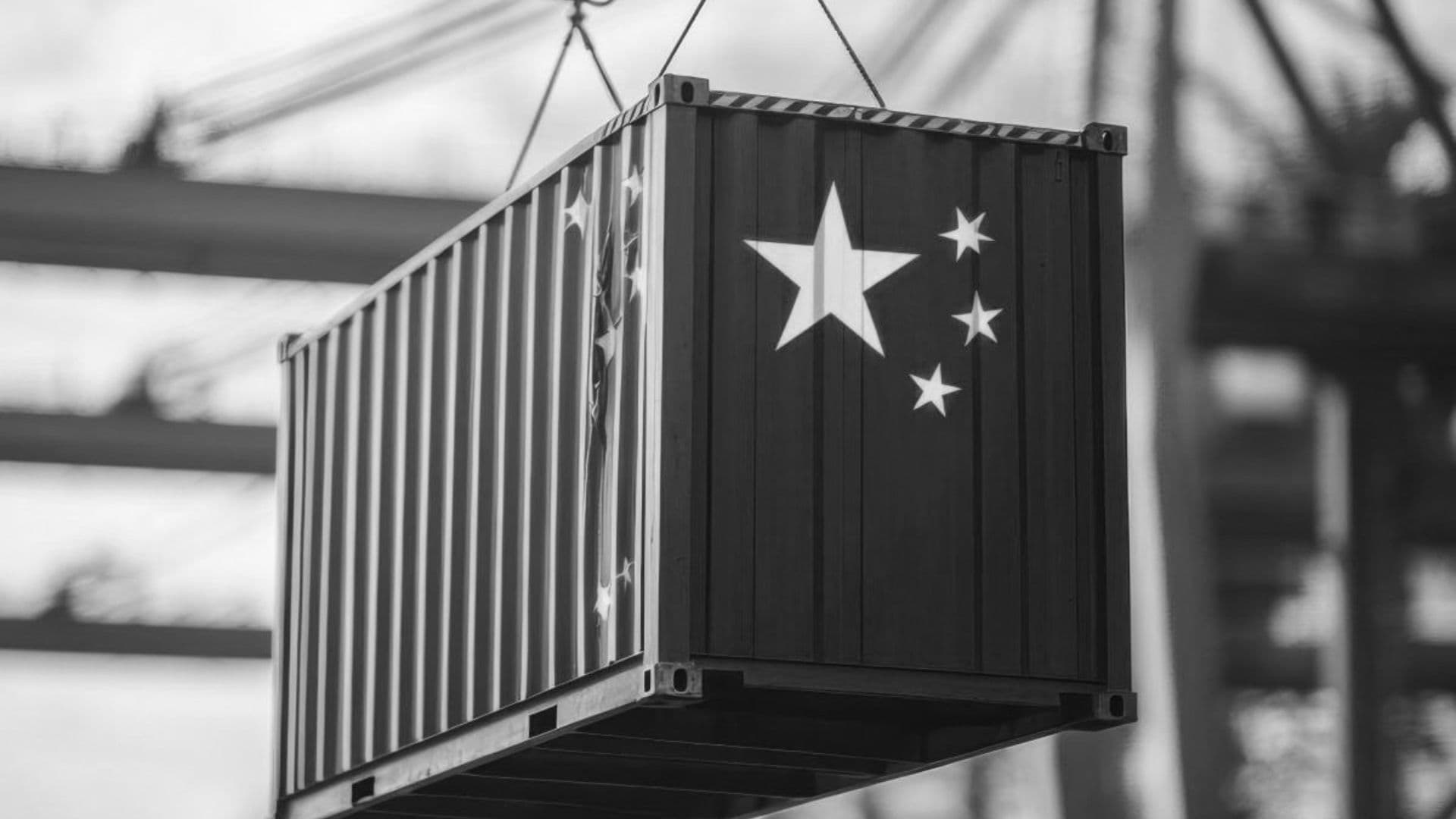
Tech Exports: The Lifeline Sustaining China's Economic Growth captures a central tension in China’s economy: technology-led shipments are providing momentum even as domestic demand remains hesitant and trade risks intensify. The export boom is both a source of resilience and a test of how Beijing can turn short-term strength into more balanced, durable growth.

Building Agile Supply Chains: Optimizing Global Sourcing for a Resilient Future
In today’s rapidly changing global marketplace, adopting the China Plus One strategy and optimizing global sourcing have gained unprecedented significance for building agile supply chains. Organizations must adapt quickly to shifting dynamics, mitigate overreliance risks, and leverage opportunities beyond traditional sourcing practices. Robust supply networks that can pivot and adapt have emerged as a necessity […]
Ready to work with a sourcing team that's built for real-world results?
From first quote to final delivery, China Sourcing Co helps you simplify sourcing, reduce risks, and scale with confidence.