



Tech Exports - China's Lifeline for Economic Growth
 Tag
Tag Date
Date Reading Time
Summary
Tech Exports: The Lifeline Sustaining China's Economic Growth captures a central tension in China’s economy: technology-led shipments are providing momentum even as domestic demand remains hesitant and trade risks intensify. Domestic demand responds to more than short-term incentives. The macroeconomic task, then, is not to choose between exports and domestic demand.
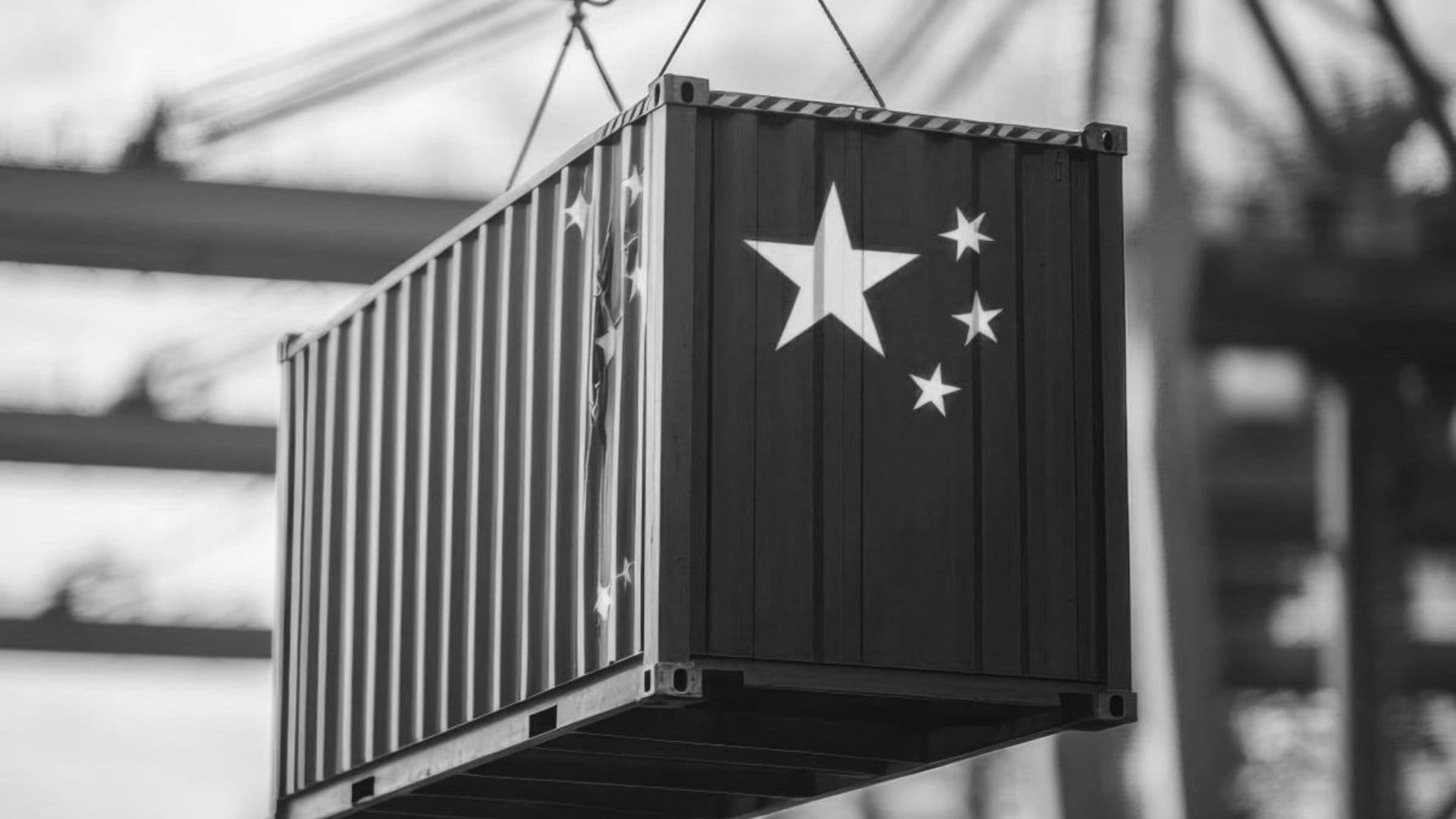
Tech Exports: The Lifeline Sustaining China's Economic Growth captures a central tension in China’s economy: technology-led shipments are providing momentum even as domestic demand remains hesitant and trade risks intensify. The export boom is both a source of resilience and a test of how Beijing can turn short-term strength into more balanced, durable growth.

Growth Driven by the AI and Semiconductor Boom
The latest export surge reflects a global market increasingly shaped by artificial intelligence, electrification, and the infrastructure needed to support both. In the reported August figures, outbound shipments rose 25%, led by semiconductors, electric vehicles, and solar technology. These are not interchangeable sources of growth: each has its own supply chains, investment cycles, and vulnerabilities. Together, however, they show how China’s manufacturing base is positioned to serve several of the world’s biggest technology transitions at once. The strength of exports is especially significant because it arrives alongside weaker household spending at home. That contrast makes technology trade a powerful economic buffer, but also raises a question about how long external demand can compensate for a less dynamic domestic economy.
Soaring demand for AI hardware and memory chips
The spread of generative AI has made computing capacity a strategic resource. Training and operating advanced AI systems require enormous volumes of data processing, storage, networking, and electricity. Behind the visible software products sits a physical supply chain: chips, memory, circuit boards, servers, cooling equipment, and the tools used to build data centers. Rising demand for these components can lift export activity well beyond the firms that manufacture a single headline-grabbing processor. It can also support suppliers of components and materials, creating a wider industrial effect.
Memory chips have a particularly important role in this expansion. AI workloads move and store immense quantities of information, so the performance of memory and data-storage systems can influence the speed and cost of computing. Semiconductor exports therefore reflect more than a simple increase in unit sales. They indicate that manufacturers are participating in a global investment cycle in which companies and governments are trying to secure the hardware needed for cloud computing, AI services, and digital infrastructure. When demand accelerates, orders can ripple through factories, logistics networks, and technology clusters.
The opportunity is substantial, but it should not be confused with guaranteed, uninterrupted growth. Semiconductor demand is cyclical, and major customers can delay orders if they build too much inventory or reconsider investment plans. Moreover, the most advanced areas of chipmaking face intense competition and restrictions. A country can export large volumes of electronics while still encountering bottlenecks in specific high-end technologies, specialized equipment, or intellectual property. China’s export strength should therefore be assessed not only by shipment totals but by the complexity, reliability, and value added of the products being shipped.
The deeper strategic insight is that AI demand is encouraging a shift from selling finished devices toward supplying the infrastructure that makes digital services possible. That shift can create more durable business relationships: a buyer installing servers or network equipment may need replacement parts, upgrades, and related components over many years. But this depends on trust, standards, and continued access to markets. The AI hardware boom gives Chinese producers a chance to deepen their place in the global technology ecosystem; it does not remove the need to build resilience against changing regulations, technological constraints, and shifts in customer demand.
Sharp divergence from sluggish domestic consumption
A 25% rise in August outbound shipments is striking partly because it contrasts with the softer tone at home. Weak retail spending and a prolonged property slump continue to weigh on confidence, complicating progress toward the 4.5%–5% GDP growth target. Households that feel uncertain about employment, income, or the value of their homes may postpone purchases. Businesses, in turn, can hesitate to expand when local demand appears unreliable. The result is an economy in which factories may be busy fulfilling foreign orders even as domestic consumers remain cautious.
This divergence has practical advantages. Export orders can help factories maintain production, preserve jobs, and use capacity that might otherwise sit idle. They can also support suppliers, transport firms, and regional manufacturing hubs. In that sense, strong external demand provides breathing room: it helps stabilize output while policymakers and businesses work through the slower recovery in household confidence and the effects of the property downturn. Export receipts can also contribute to investment and tax revenue, although the distribution of those benefits is not automatic.
Yet exports cannot fully substitute for a confident domestic consumer. Foreign demand is determined by conditions beyond Beijing’s control, including interest rates, business investment, political decisions, and the health of other economies. Meanwhile, household consumption is a source of demand that can be developed through domestic policy and rising incomes. If growth leans too heavily on exports and industrial investment, the economy may become more exposed to overseas cycles and trade disputes. The impressive shipment figures can therefore mask an imbalance rather than resolve it.
A useful way to read the contrast is as a signal about the composition of growth. The export engine is functioning, but its strength does not necessarily mean that all parts of the economy are equally healthy. If consumers are hesitant while factories expand capacity to serve external buyers, policymakers must consider how the benefits of production reach households. More reliable social support, better job prospects, and a steadier property market could encourage families to spend with greater confidence. The long-term test is not simply whether China can export more technology, but whether technological production and trade income can reinforce a stronger domestic market rather than stand in for one.
Growing Risks from Record Trade Surpluses and Tariff Threats
A booming export sector brings revenue and reinforces China’s role in global supply chains, but its scale can also intensify political scrutiny. With the annual trade surplus pacing toward $1 trillion, foreign governments may interpret the imbalance as evidence that Chinese production is expanding faster than domestic demand. Trade figures alone do not explain every cause of that gap, but they can become potent symbols in political debate. The larger the surplus, the harder it may be for trading partners to separate legitimate competition from concerns about market access, subsidies, industrial capacity, and employment. The challenge for China is to sustain export opportunities without making its success appear inseparable from economic costs elsewhere.

Looming trade friction with the U.S. and the EU
The prospect of a record surplus matters because the United States and the European Union are not only large markets; they are also influential rule-setters. When imports grow quickly in politically sensitive sectors, domestic industries may call for tariffs or other protections. Electric vehicles, solar technology, and advanced electronics are particularly visible because they connect industrial competitiveness with climate policy, national security, and jobs. Officials may frame restrictions as a response to unfair competition, while exporters may see them as barriers designed to slow their progress. Those competing interpretations can make trade disputes difficult to settle through technical negotiations alone.
A surplus approaching $1 trillion can intensify these tensions even when it is not, by itself, proof of misconduct. Trade balances are shaped by many factors, including saving and investment patterns, currency movements, the composition of production, and the level of domestic consumption. Still, governments and voters often experience trade through more immediate concerns: a factory closure, a rapid rise in imports, or the fear that a strategic industry will become dependent on foreign suppliers. The headline number can thus become a political shorthand for broader anxieties. For China, the communications challenge is to explain the commercial and structural reasons behind export growth while addressing concerns about reciprocity and market access.
The risks are not limited to tariffs. A dispute can prompt tighter product standards, procurement restrictions, additional inspections, investment screening, or rules that encourage companies to diversify supply chains. Such measures may be less dramatic than a tariff announcement but can still raise costs and uncertainty. If firms cannot predict the rules under which they will sell, they may move production, redesign products, or delay investments. For Chinese manufacturers with thin margins, even modest compliance requirements can affect competitiveness, while complex rules can create a lasting administrative burden.
My broader reading is that the surplus is becoming a diplomatic and strategic variable, not just an economic statistic. The stronger China’s position in emerging industries, the more other governments may view those industries as arenas of competition rather than ordinary commerce. This does not mean confrontation is inevitable: shared supply chains and consumer demand give all sides reasons to preserve trade. But maintaining access will require more than price competitiveness. Transparency, predictable regulation, local partnerships, and credible commitments to serving overseas customers can help distinguish a supplier’s commercial presence from a perceived threat to a market’s industrial base.
Exporters frontloading shipments to beat tariff deadlines
The reported 34.4% jump in deliveries to the United States suggests that manufacturers may be accelerating shipments ahead of potential trade restrictions.
For businesses, early deliveries can be a practical form of risk management. Importers may build inventories to protect themselves from higher costs or supply interruptions, and exporters may prioritize customers who are willing to place orders quickly. Warehouses, ports, and shipping routes can experience added pressure as firms try to move goods within a narrow window. The rush can support factory activity in the near term, but it can also complicate planning. A company that ships heavily before a deadline may face slower orders afterward as buyers draw down stockpiles rather than replenishing them.
This is why the 34.4% increase should be read carefully. A surge concentrated around a tariff deadline may pull future sales into the present, making monthly figures look stronger than the longer-term trend. If the policy threat later changes, or if buyers have already accumulated enough inventory, export growth can cool abruptly. That does not make the increase meaningless; it means the timing of the increase matters. Policymakers and investors should look for confirmation in subsequent months, product-level data, and the value of shipments, rather than assuming that one month’s rush represents a permanent step-up in demand.
Frontloading behavior highlights how volatile trade policies affect buyer sentiment. For companies overly reliant on traditional China sourcing co, sudden tariff deadlines create severe logistical bottlenecks. Consequently, shifting a portion of production or alternative component procurement toward Vietnam sourcing co has become a practical risk-hedging mechanism for international importers.
Policy Implications for Beijing's Macro Strategy
Export strength affects the choices available to Beijing, but it does not eliminate the need for policy support. When factories are benefiting from robust external orders, officials may feel less pressure to deploy broad, urgent stimulus than they would during a deeper production slump. At the same time, strong exports cannot directly repair weak household confidence or resolve property-market difficulties. The policy question is therefore one of balance: how to preserve momentum without deepening reliance on external demand, and how to support domestic activity without directing resources toward projects that add capacity but fail to generate lasting returns.
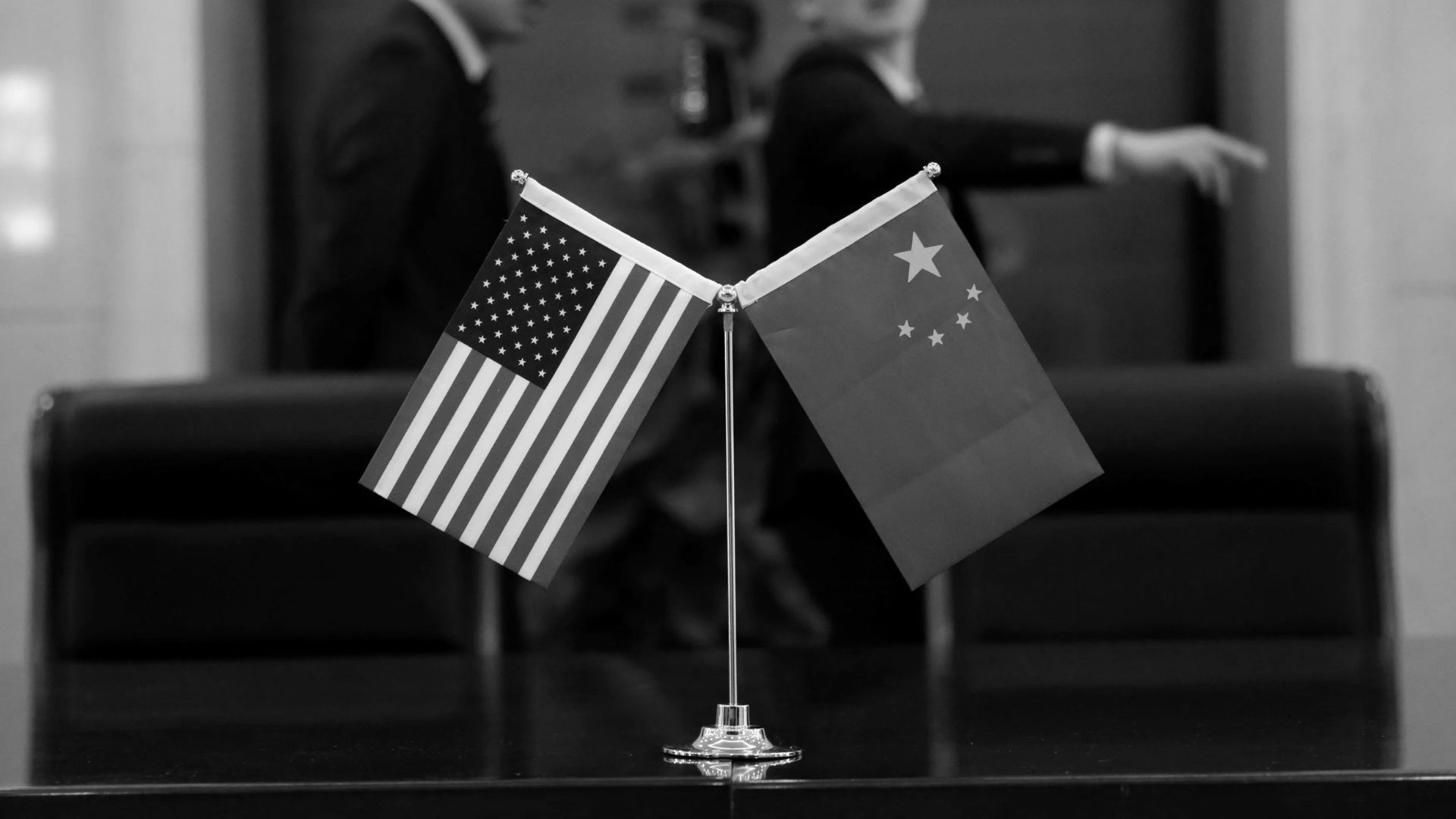
Targeted fiscal measures taking precedence over rate cuts
The reported 800-billion-yuan infrastructure tool points toward a preference for targeted fiscal support rather than relying solely on lower interest rates. Infrastructure spending can be directed toward transport, energy systems, digital networks, and other projects intended to improve productive capacity. If carefully selected, such investment can create near-term demand for construction and equipment while strengthening the foundations that businesses need over a longer horizon. It can also help address practical bottlenecks in areas such as logistics or power supply factors that matter to exporters as well as domestic firms.
However, the value of an infrastructure tool depends on what it finances and how effectively projects are executed. The amount announced is not the same as the amount quickly translated into useful economic activity. Projects need credible demand, responsible financing, clear accountability, and benefits that justify their cost. If spending is directed toward low-return construction simply to raise short-term activity, it can add debt without improving productivity. A successful program should be judged by its ability to unlock investment, reduce bottlenecks, and serve communities not solely by the speed at which money is allocated.
Resilient exports may also reduce the immediate case for aggressive monetary easing. Cutting interest rates can lower borrowing costs and support investment, but it is not a universal remedy. If households are reluctant to spend because they are worried about income or property values, cheaper loans may not persuade them to take on more debt. And if firms do not see reliable demand, lower rates alone may not lead them to expand. Monetary policy can provide useful support, but the strength of exports may allow policymakers to avoid using it as the primary instrument while assessing whether weakness is concentrated in particular sectors.
The strategic choice is to use fiscal measures where they can solve specific constraints and avoid treating infrastructure investment as a substitute for confidence-building. A well-designed program could make technology supply chains more efficient while also producing public benefits. A poorly targeted one could reinforce the very investment-heavy model that policymakers may wish to rebalance. My view is that the distinction between “targeted” and “broad” support should be tested in outcomes: whether projects create durable services, improve productivity, and encourage private activity. The reported tool can be meaningful if it acts as a catalyst, rather than becoming a recurring mechanism for postponing harder structural adjustments.
>> See more: The EV Boom: A Driving Force Behind Record-Breaking Chinese Auto Exports
Balancing export resilience with domestic demand
A robust export sector gives Beijing options, but it also creates a temptation to treat external demand as the economy’s most reliable source of growth. That would be risky. Overseas markets can be disrupted by tariff changes, slowing demand, geopolitical tensions, or competing industrial policies. A more resilient strategy would use export income and industrial capability to support a broader economic base, including household consumption and services. The aim would not be to weaken manufacturing, but to ensure that manufacturing success generates stable employment, rising incomes, and confidence within China.
Domestic demand responds to more than short-term incentives. Households are more likely to spend when they feel secure about jobs, future income, healthcare, education costs, and retirement. If those concerns remain pressing, temporary incentives may shift the timing of purchases without changing the underlying caution. Similarly, a prolonged property slump can affect families’ sense of financial security, even when they are not directly involved in real estate transactions. Policies that improve household confidence can therefore have a wider effect than their immediate budgetary cost suggests.
There is also a strategic connection between consumption and industrial competitiveness. A strong home market gives domestic firms a place to test products, gather feedback, and develop at scale before competing overseas. It can cushion businesses when foreign markets weaken and make growth less dependent on political decisions abroad. When local buyers are willing to adopt new technologies, producers can learn faster and refine products for different needs. This creates a two-way relationship: capable manufacturers can supply better goods, while confident consumers provide a stable foundation for innovation and investment.
The macroeconomic task, then, is not to choose between exports and domestic demand. China needs both, but the mix matters. Export strength can keep factories active and provide valuable income; domestic demand can make that strength less vulnerable to external shocks. Beijing’s policy choices will shape whether technology exports become a bridge toward more balanced growth or a crutch that makes the imbalance harder to correct. I would measure success not only by whether shipments remain strong, but also by whether households feel more secure, private firms see a clearer path to returns, and growth becomes less dependent on a handful of overseas markets.
Conclusion
China’s technology export surge led by semiconductors, AI-related hardware, electric vehicles, and solar technology is helping sustain growth while domestic consumption remains subdued. The 25% rise in August outbound shipments and the 34.4% jump in deliveries to the United States show both the strength of overseas demand and the influence of tariff expectations, while a surplus approaching $1 trillion raises the risk of sharper U.S. and EU pushback. Beijing’s reported 800-billion-yuan infrastructure tool may support activity, but lasting resilience will require more than production and shipments: carefully targeted investment must improve productivity, and policies must help restore household confidence. Tech exports can serve as a powerful lifeline, but their greatest value will come when they reinforce not replace a stronger domestic economy.
About Us
We specialize in strategic procurement and supply chain solutions across Asia. Whether you are navigating dynamic trade shifts or exploring options across regional hubs, visit our [About Us] page to learn more about how we help businesses optimize their global sourcing.
Please subscribe to see the detail
Enter your email to gain full access to our resources
Get exclusive access from expert insights to streamline your supply chain.
Explore More Relative Resources

Building Agile Supply Chains: Optimizing Global Sourcing for a Resilient Future
In today’s rapidly changing global marketplace, adopting the China Plus One strategy and optimizing global sourcing have gained unprecedented significance for building agile supply chains. Organizations must adapt quickly to shifting dynamics, mitigate overreliance risks, and leverage opportunities beyond traditional sourcing practices. Robust supply networks that can pivot and adapt have emerged as a necessity […]


Reaching the $6.3 Trillion Mark: China’s Trade Demonstrates Remarkable Resilience and a Shift Toward High-Value Activities
Reaching the $6.3 trillion mark, China’s trade statistics have become a focal point of analysis for economists and policymakers alike. In 2025, China’s trade landscape has shown extraordinary resilience despite global uncertainties, demonstrating a pivot towards more high-value activities and a transformation in how goods are produced and transported.

Canton Fair: The "Green Transformation" Landmark of China's Industrial Capital
Held every two years in China’s industrial capital, the Canton Fair trade show has always been a large-scale event. As reported by Xinhua News Agency, the fair lasts for about a month, hosting over 32,000 participating exhibitors and welcoming hundreds of thousands of international buyers to Guangzhou, China.
Ready to work with a sourcing team that's built for real-world results?
From first quote to final delivery, China Sourcing Co helps you simplify sourcing, reduce risks, and scale with confidence.