



Iron Ore Prices Are Falling. Will Sourcing Steel Products from China Get Cheaper?
 Tag
 Date
 Reading Time
Summary
For businesses sourcing steel products from China , development raises an important question: will lower raw material prices translate into cheaper factory quotations? For international buyers, they may create opportunities to reassess steel sourcing costs . Understanding the full cost structure is critical when evaluating China steel sourcing opportunities.
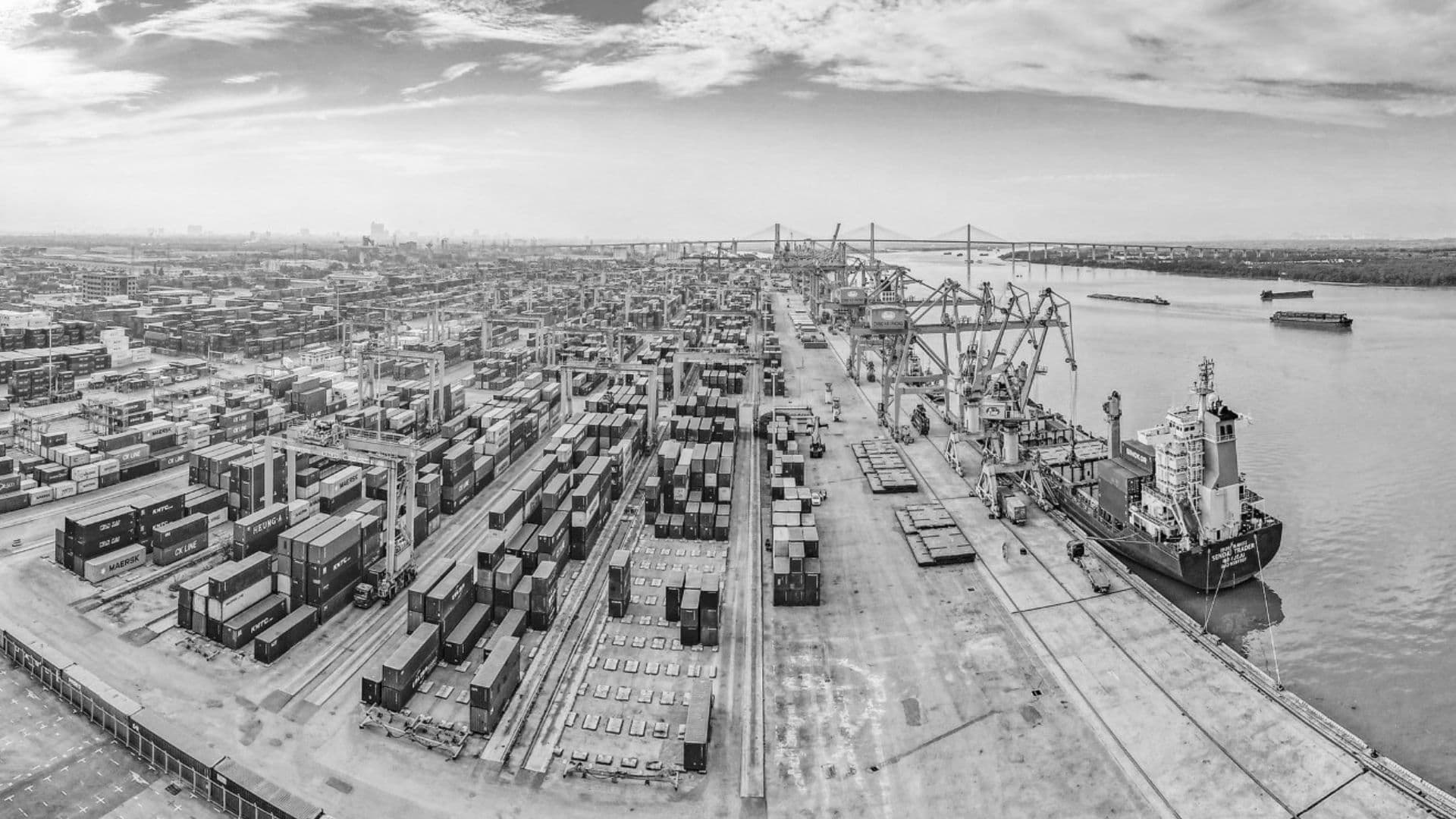
China Sourcing Insights | 26 October 2026
Iron ore prices have fallen from their earlier 2026 highs, while China is seeking more favourable supply arrangements with major Australian mining companies.
For businesses sourcing steel products from China, development raises an important question: will lower raw material prices translate into cheaper factory quotations?
The answer depends much more on the price of iron ore.
Although falling commodity prices can ease production costs for steelmakers, the final price of a fabricated metal component, steel structure or finished industrial product is influenced by manufacturing processes, material specifications, supplier margins and international trade costs.
For procurement teams exploring China Sourcing opportunities, understanding these differences is essential to identifying genuine cost-saving opportunities without compromising quality or delivery reliability.
What's Happening in China's Iron Ore Market?
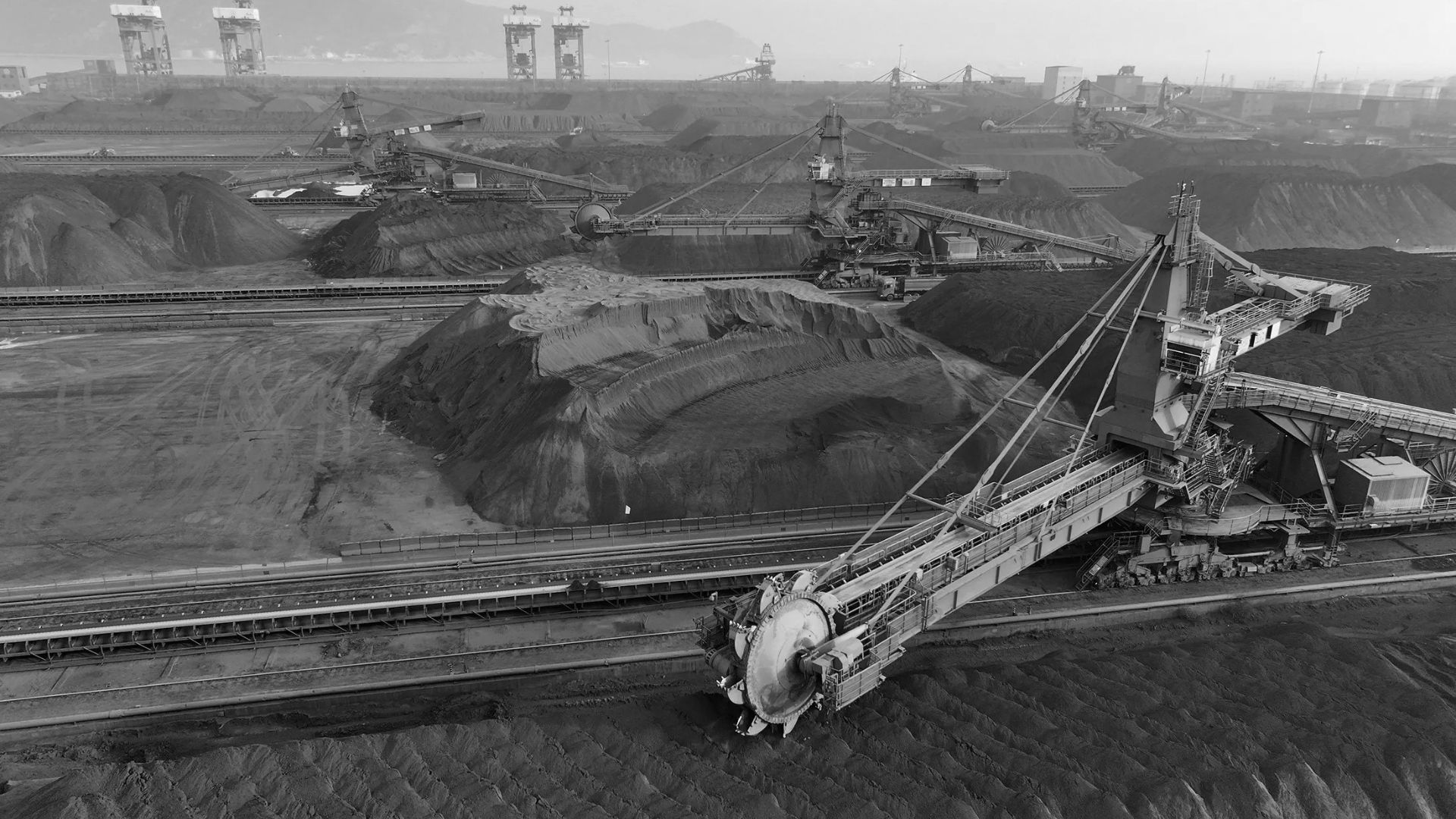
China remains the world's largest importer of iron ore and a major producer of steel.
According to Reuters' October 2026 market analysis, China imported approximately 954.97 million metric tonnes of iron ore during the first nine months of 2026, representing a 4.1% increase compared with the same period in 2025.
However, higher imports have not translated into stronger steel production.
Iron ore inventories at Chinese ports have risen, while steel output has declined amid weaker demand from sectors such as property development.
By late October 2026, iron ore futures in Singapore had fallen approximately 19% from their May peak.
At the same time, China Mineral Resources Group (CMRG), a state-backed purchasing organisation, has been negotiating with major Australian iron ore producers to secure more favourable supply terms.
These developments reflect a changing balance between raw material supply, steel demand and China's purchasing power.
For international buyers, they may create opportunities to reassess steel sourcing costs. But the effects will vary significantly across manufacturers and product categories.
Why Falling Iron Ore Prices Don't Automatically Mean Cheaper Steel Products
Iron ore is a key input in conventional steelmaking, particularly in blast furnace operations.
Yet it is only one part of the cost of producing steel and an even smaller part of the cost of many finished metal products.
Understanding the full cost structure is critical when evaluating China steel sourcing opportunities.
Steel Manufacturing Costs Go Beyond Iron Ore
Steel production requires more than raw iron ore.
Manufacturers must also account for coking coal, electricity, labour, equipment maintenance, environmental compliance and other operational expenses.
Some facilities use electric arc furnaces, which rely heavily on recycled scrap steel rather than iron ore.
As a result, different steelmakers may experience very different cost movements, even when global iron ore prices fall.
The World Steel Association provides industry information on global steel production and steelmaking processes.
A reduction in raw material costs does not guarantee a corresponding reduction in finished steel prices.
Factory Prices Don't Change Immediately
Steel manufacturers frequently purchase raw materials through contracts or maintain inventories acquired at earlier prices.
This creates a delay between changes in commodity markets and changes in factory quotations.
For example, a manufacturer may still be processing steel purchased when prices were higher, while another supplier may have already secured lower-cost materials.
Both factories could produce similar products but offer different quotations.
For businesses sourcing manufacturers in China, comparing quotations across multiple suppliers can therefore provide more useful information than relying on commodity price movements alone.
Fabrication and Finishing Add Significant Costs
The cost of a finished steel product depends on the work required after raw steel production.
Common manufacturing processes include:
- CNC machining and precision cutting
- Welding and metal fabrication
- Bending, stamping and forming
- Galvanising and surface coating
- Heat treatment
- Dimensional inspection and quality testing
- Packaging and export preparation
For complex components, these processes may represent a substantial share of the final product price.
Even if raw steel becomes cheaper, the total manufacturing cost may change only slightly.
For businesses requiring specialised components, custom manufacturing in China may involve additional technical requirements, tooling, prototyping and production coordination.
Supply, Demand and Supplier Margins Still Matter
Manufacturers price their products based on more than production costs.
Factory capacity, order volumes, competition, delivery requirements and profit margins all influence quotations.
When demand is weak, suppliers may become more flexible on pricing.
However, factories with specialised production capabilities or limited capacity may maintain their prices despite lower raw material costs.
This is why buyers should evaluate each supplier individually rather than assume that every Chinese manufacturer will respond similarly to falling iron ore prices.
What Lower Iron Ore Prices Could Mean for International Buyers
Changes in China's steel market may create opportunities for businesses importing metal products, industrial components and construction-related materials.
However, the commercial impact depends on the products being purchased.
Potential Opportunities for Cost Negotiation
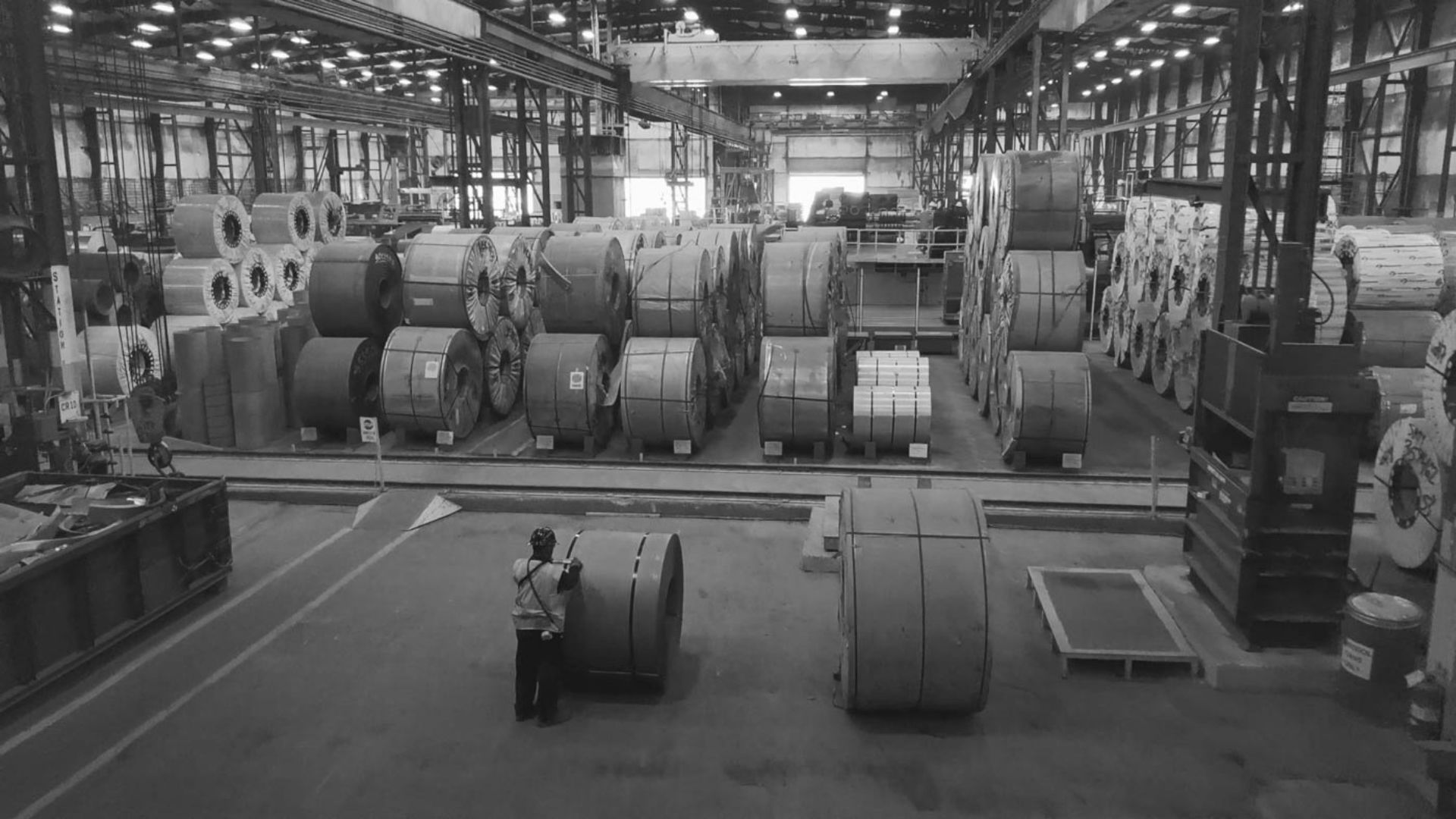
Products with a high raw steel content may be more sensitive to changes in steel prices than highly fabricated products.
Buyers placing repeat orders may have opportunities to request updated quotations, particularly where raw material costs account for a significant proportion of the product.
Rather than demanding a blanket price reduction, procurement teams can ask suppliers to explain how material costs have changed since the previous quotation.
This creates a more constructive basis for negotiation.
Opportunities to Compare Alternative Manufacturers
A changing cost environment can also be an appropriate time to review existing sourcing arrangements.
Different factories may offer different capabilities, production efficiencies and material purchasing strategies.
Comparing steel manufacturers in China can help identify opportunities to improve manufacturing efficiency, product quality, order flexibility, production lead times and total procurement costs.
Buyers evaluating steel and building materials sourcing should review supplier capabilities, production capacity and destination-market compliance requirements.
Alternative suppliers should always be evaluated against the same technical specifications and quality requirements.
Risks of Choosing the Lowest Quotation
Lower prices do not always represent better value.
A supplier may offer a cheaper quotation by changing material grades, reducing thickness, simplifying finishing processes or excluding certain quality checks.
These differences may not be immediately visible in a quotation.
For industrial or construction-related products, unsuitable materials can create substantial downstream costs.
International buyers should therefore prioritise accurate specifications, documented quality requirements and supplier transparency.
Five Things to Check Before Sourcing Steel Products from China
A structured sourcing process helps buyers distinguish genuine cost advantages from potential manufacturing risks.
Verify the Steel Grade and Technical Specifications
Confirm the required material grade, dimensions, tolerances, surface finish and applicable product standards.
For products intended for Australia, the United States or Europe, verify which local requirements apply to the specific product and its intended use.
Do not assume that a manufacturer's general certification automatically establishes compliance for every product.
Understand What Drives the Factory Quotation
Ask suppliers to clarify the major cost components behind their pricing.
Depending on the product, these may include raw steel, fabrication, tooling, surface treatment, inspection and packaging.
A better understanding of the cost structure makes it easier to identify where savings may be achievable.
Compare Multiple Manufacturers Using the Same Requirements
Provide all shortlisted manufacturers with consistent drawings, specifications, quantities and delivery terms.
This helps ensure that quotations are genuinely comparable.
Without consistent requirements, a lower price may simply reflect a different product.
Review Quality Control and Inspection Procedures
Check how manufacturers manage incoming material inspections, production quality checks and final product verification.
For critical components, consider independent testing or third-party inspection.
Professional supplier sourcing and quality control services can support buyers in evaluating manufacturers and coordinating appropriate inspection processes.
Calculate the Total Landed Cost
The factory price is not the final cost of importing steel products.
Buyers should account for:
- International freight and insurance
- Customs duties and applicable taxes
- Anti-dumping or countervailing duties, where relevant
- Inspection and testing costs
- Port handling and inland transportation
- Packaging and delivery requirements
Steel products can be subject to trade remedies in certain importing markets.
For US-bound shipments, the U.S. International Trade Commission's Harmonized Tariff Information is a useful starting point for reviewing tariff classifications.
Before placing an order, buyers should verify the product's classification, country of origin and applicable import requirements.
The lowest factory price is not necessarily the lowest total land cost.
Should You Wait for Steel Prices in China to Fall Further?
Timing a commodity market is difficult.
Iron ore prices can change in response to mining supply, Chinese steel production, infrastructure demand, inventories and international trade developments.
A decline in iron ore prices today does not guarantee that finished steel products will become cheaper next month.
For businesses with flexible purchasing schedules, monitoring market trends may help inform quotation reviews.
However, delaying an order can also introduce risks.
Production capacity may change, delivery windows may become less favourable, and other manufacturing costs may increase.
For projects with fixed deadlines, procurement reliability may be more valuable than attempting to capture the lowest possible material price.
A practical strategy is to compare current quotations, confirm their validity periods and evaluate whether the potential savings justify waiting.
How a China Sourcing Company Can Help Buyers Manage Steel Procurement
Working with manufacturers in China requires more than finding a factory offering a competitive unit price.
Buyers must assess production capabilities, technical requirements, supplier reliability, quality assurance and international delivery arrangements.
A professional Chtrueina Sourcing company can support this process by helping buyers identify suitable manufacturers and coordinate the information required to make informed procurement decisions.
At China Sourcing Co, we support international businesses looking to source products from manufacturers across China.
Our approach focuses on understanding each client's product requirements and helping them navigate supplier selection, manufacturing coordination and quality considerations.
For steel and metal products, this includes paying attention to material specifications, manufacturing processes and the factors influencing factory quotations.
Rather than treating lower commodity prices as a guarantee of savings, we believe buyers should assess the complete procurement picture.
>> See more: Tech Exports - China's Lifeline for Economic Growth
Frequently Asked Questions About China Steel Sourcing
Will falling iron ore prices make steel products from China cheaper?
Not necessarily. Lower iron ore prices can reduce input costs for some steelmakers, but finished steel prices also depend on energy, labour, manufacturing processes, inventory costs and market demand.
Products requiring extensive fabrication or finishing may experience smaller price changes than raw or minimally processed steel products.
Is China still a competitive country for sourcing steel and metal products?
China remains a major global manufacturing centre with extensive steel production and metal fabrication capabilities.
Its competitiveness depends on the product category, required specifications, order volume, supplier capabilities and destination-market import costs.
Buyers should compare total landed costs rather than factory prices alone.
How do I find reliable steel manufacturers in China?
Start by defining your technical requirements and identifying manufacturers with relevant production capabilities.
Evaluate factory experience, quality control procedures, certifications, production capacity and export experience.
A China Sourcing company can help coordinate supplier research and evaluation, but buyers should still verify critical product requirements and compliance documentation.
What affects the cost of sourcing steel products from China?
The main factors include raw material prices, steel grades, product dimensions, fabrication complexity, finishing processes, order quantities, tooling, quality requirements and shipping costs.
Import duties and trade remedies may also significantly affect the total cost for buyers in certain markets.
Are there anti-dumping duties on steel products imported from China?
Some countries apply anti-dumping or countervailing duties to specific steel products originating from China.
However, these measures vary by destination market, product classification, manufacturer and applicable trade decision.
Importers should verify the current rules for their particular products before placing orders.
How can international buyers reduce steel sourcing costs without compromising quality?
Buyers can improve cost efficiency by preparing accurate specifications, comparing qualified manufacturers, reviewing material alternatives where technically acceptable and planning orders around realistic production schedules.
Clear quality requirements and consistent supplier evaluation are essential to avoiding hidden costs associated with defects, rework or delivery problems.
Final Thoughts: Lower Raw Material Prices Create Opportunities, Not Guarantees
China's changing iron ore market may provide opportunities for some manufacturers to reduce production costs.
However, the impact on finished steel products will depend on each manufacturer's cost structure, production methods and commercial circumstances.
For international buyers, the most effective response is not simply to wait for prices to fall.
It is to understand how products are manufactured, compare suppliers carefully and evaluate the full cost of procurement.
A well-managed China Sourcing strategy helps businesses make purchasing decisions based on product quality, supplier capabilities, cost transparency and delivery requirements.
Looking for manufacturing partners in China?
Explore sourcing opportunities with China Sourcing Co.
References
Reuters (25/10/2026): China's tug-of-war with Australian miners lurks beneath iron ore calm
World Steel Association: Steel industry statistics and production resources.
U.S. International Trade Commission: Harmonized Tariff Information.
Please subscribe to see the detail
Enter your email to gain full access to our resources
Get exclusive access from expert insights to streamline your supply chain.
Explore More Relative Resources
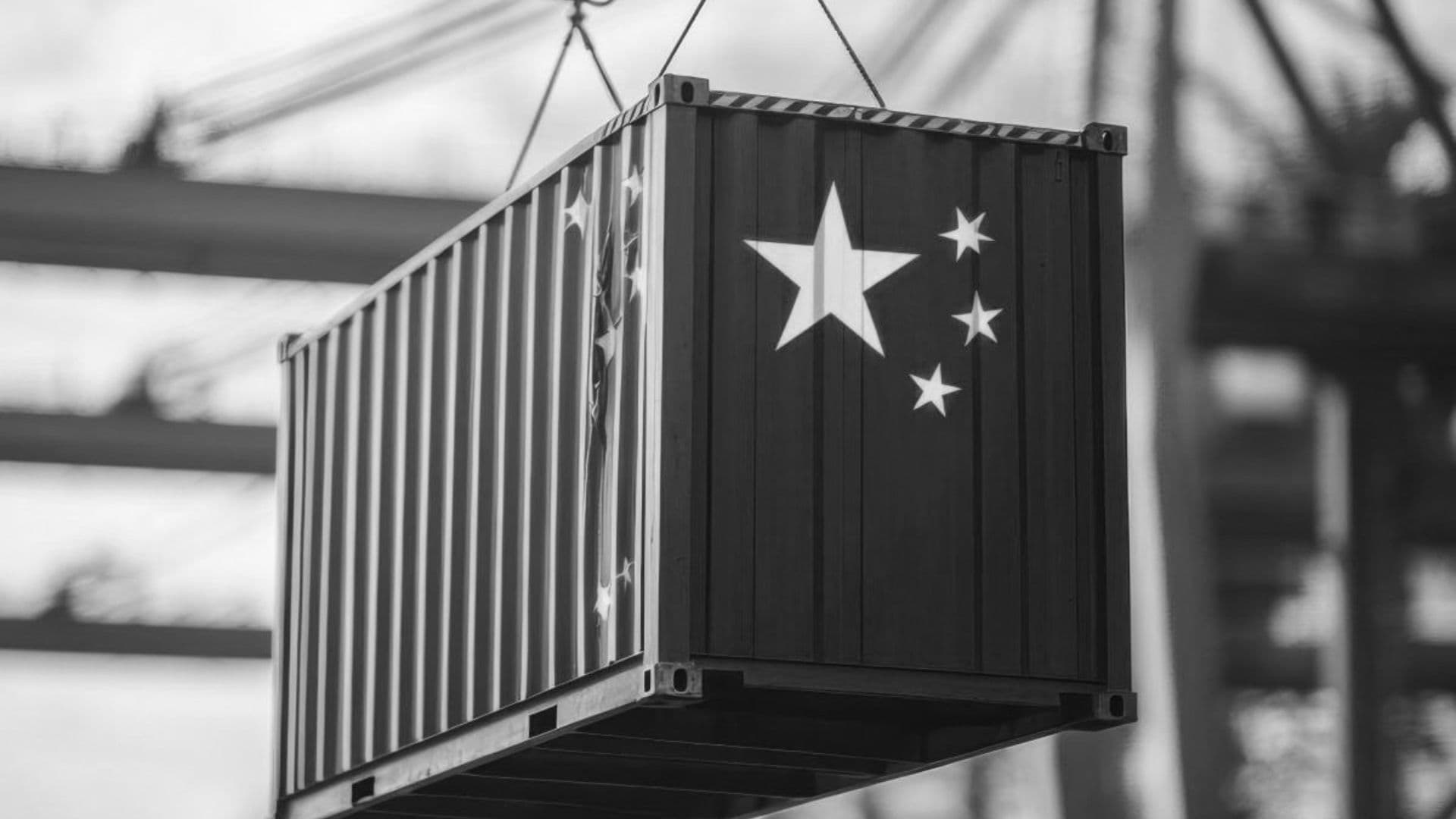
Tech Exports - China's Lifeline for Economic Growth
Tech Exports: The Lifeline Sustaining China's Economic Growth captures a central tension in China’s economy: technology-led shipments are providing momentum even as domestic demand remains hesitant and trade risks intensify. The export boom is both a source of resilience and a test of how Beijing can turn short-term strength into more balanced, durable growth.



Building Agile Supply Chains: Optimizing Global Sourcing for a Resilient Future
In today’s rapidly changing global marketplace, adopting the China Plus One strategy and optimizing global sourcing have gained unprecedented significance for building agile supply chains. Organizations must adapt quickly to shifting dynamics, mitigate overreliance risks, and leverage opportunities beyond traditional sourcing practices. Robust supply networks that can pivot and adapt have emerged as a necessity […]
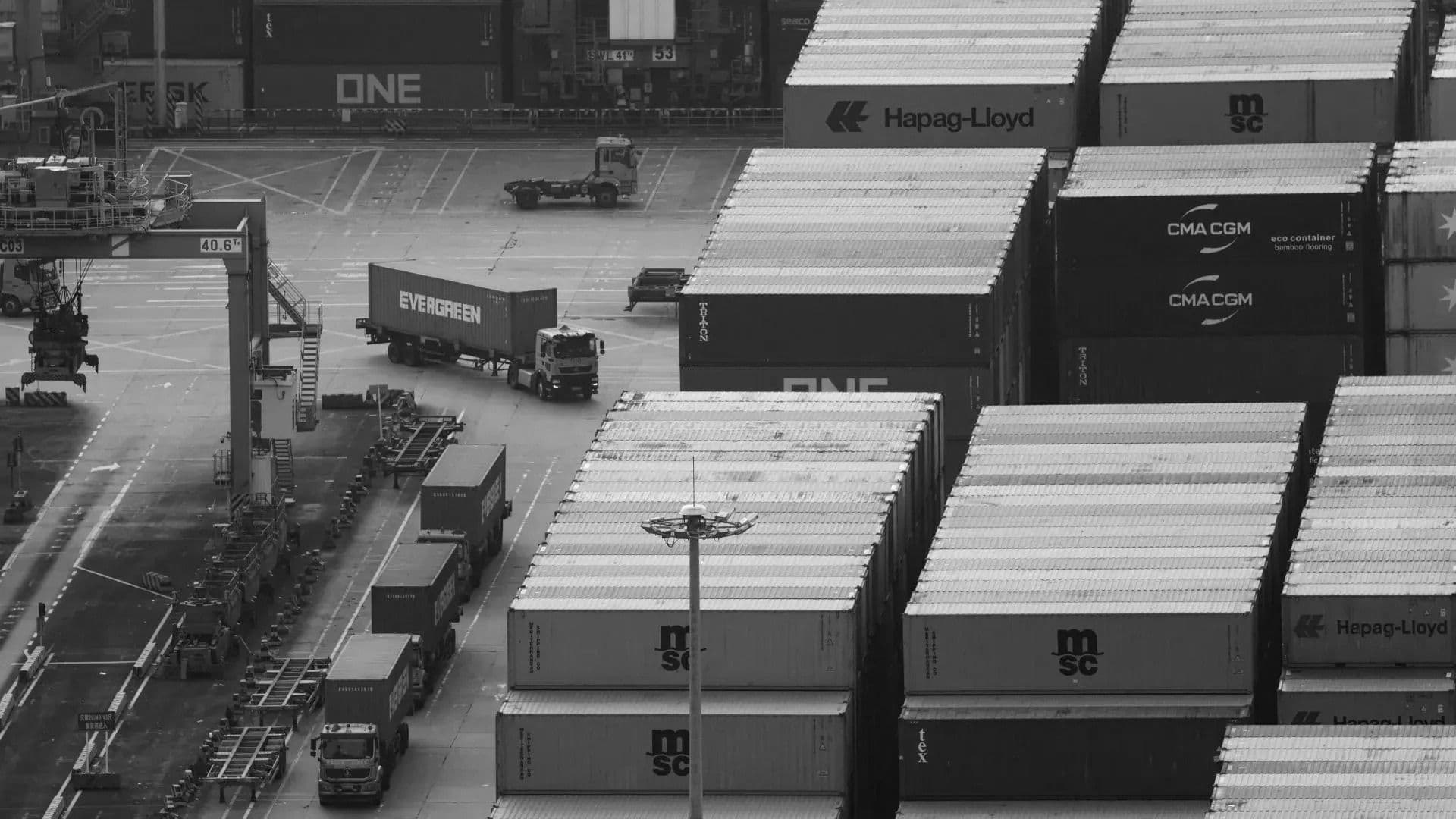
Reaching the $6.3 Trillion Mark: China’s Trade Demonstrates Remarkable Resilience and a Shift Toward High-Value Activities
Reaching the $6.3 trillion mark, China’s trade statistics have become a focal point of analysis for economists and policymakers alike. In 2025, China’s trade landscape has shown extraordinary resilience despite global uncertainties, demonstrating a pivot towards more high-value activities and a transformation in how goods are produced and transported.
Ready to work with a sourcing team that's built for real-world results?
From first quote to final delivery, China Sourcing Co helps you simplify sourcing, reduce risks, and scale with confidence.