



China’s August Trade: High-Tech Export Surge Meets Supply Chain Risks
 Tag
 Date
 Reading Time
Summary
High-tech goods are becoming a major engine of growth, while uneven domestic spending leaves China relying heavily on international markets. Taken together, the figures show why high-tech trade matters beyond headline export totals. China’s August trade picture combines vigorous high-tech export growth with clear operational and geopolitical risks.
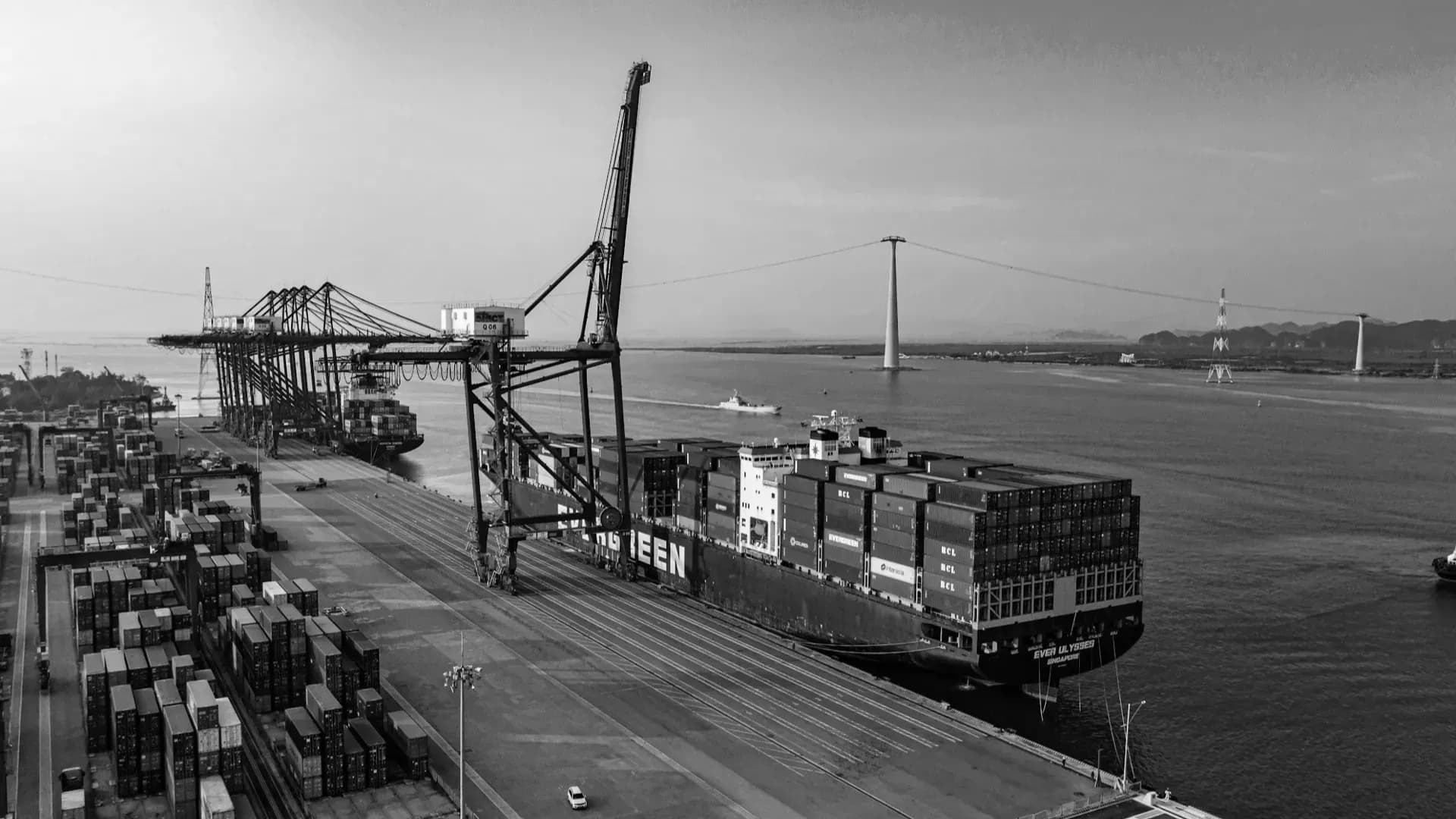
China’s August trade data captures a mixed picture: strong overseas demand for advanced products is lifting exports, but shipping disruptions and rising trade tensions threaten to complicate the outlook. High-tech goods are becoming a major engine of growth, while uneven domestic spending leaves China relying heavily on international markets. For exporters, buyers, and logistics teams, the central challenge is to turn that demand into reliable shipments while preparing for operational and political shocks.
High-Tech Products Power Double-Digit Export Growth
The strongest signal in China’s trade figures is the acceleration in advanced products. High-tech exports rose 42.9% in the first eight months, indicating that global demand for electronics, computing equipment, and related technologies is supporting trade growth. The figures also point to a changing export mix: China is shipping not only more goods but a larger share of products tied to digital infrastructure and advanced manufacturing.
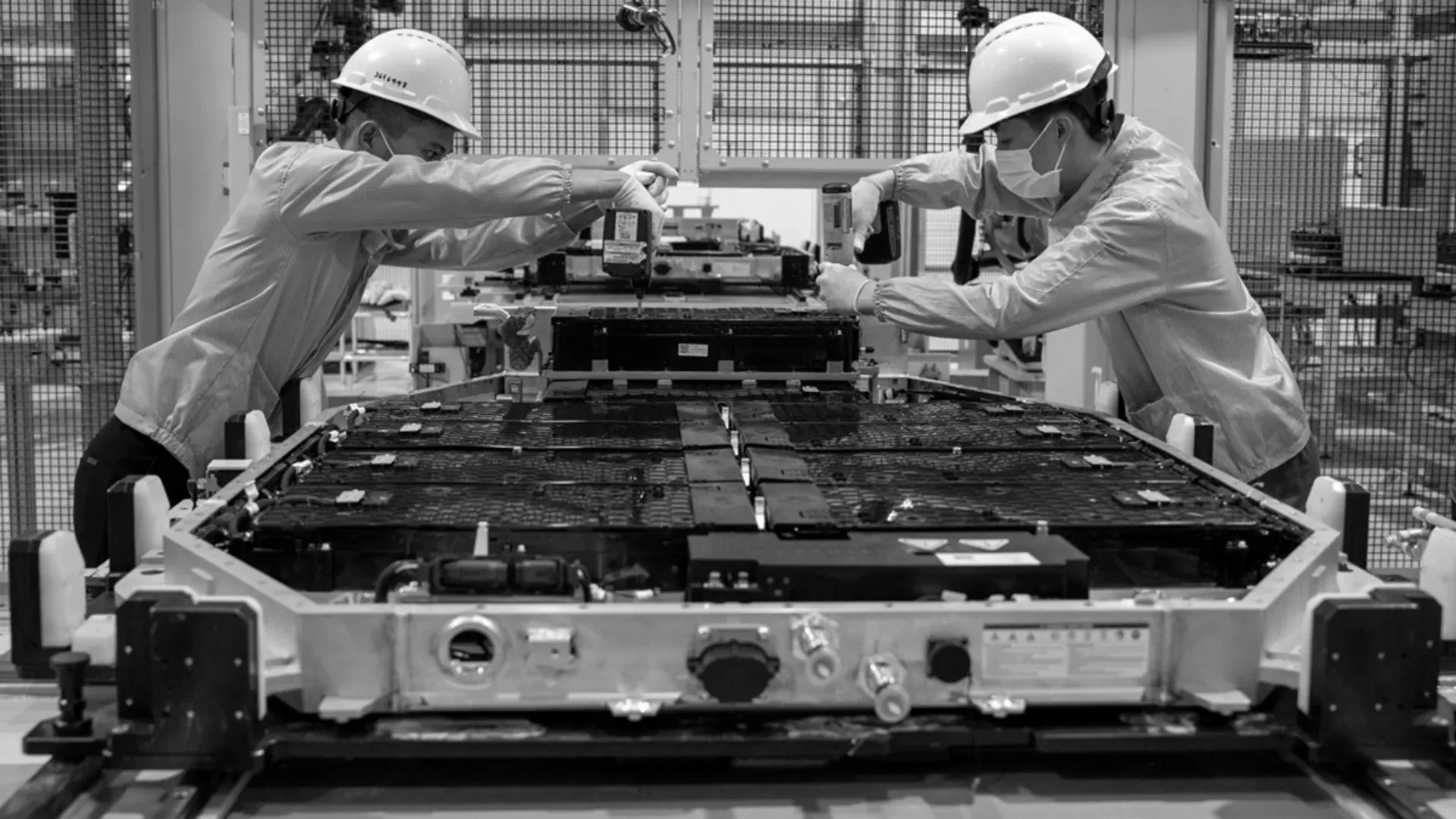
Semiconductors, vehicles, and AI infrastructure lead
Semiconductor export value more than doubled over the period, even though export volume grew by a comparatively modest 4.1%. That contrast suggests the increase was driven largely by higher-value shipments, changing product composition, or stronger prices—not simply by a dramatic rise in the number of chips exported. It also highlights how export values can grow faster than physical volumes when demand shifts toward more sophisticated products.
Automotive exports delivered another standout result, increasing by more than 50% in both volume and value. This indicates that the growth was supported by more vehicles being shipped as well as higher export value. Chinese automakers are competing across a wider range of international markets, though the sustainability of that growth will depend on consumer demand, market access, and trade policy.
Computer hardware and parts used in AI infrastructure also surged by nearly 50%. The expansion reflects a broader global buildout of computing capacity, data centers, and related equipment. For suppliers, this demand creates opportunities across components, servers, and supporting hardware. For buyers, it means that competition for production capacity and critical inputs may intensify.
Taken together, the figures show why high-tech trade matters beyond headline export totals. These categories can support industrial upgrading and bring in greater value per shipment. Yet they also depend on complex networks of components, specialized production, and transport capacity—making them vulnerable to disruptions that may have little effect on less time-sensitive goods.
Diversified Global Demand Offsets Domestic Weakness
China’s export growth is not being driven by a single destination. Strong increases across several regions provide a wider base of demand and help cushion weakness in individual markets. At the same time, domestic consumer spending remains soft, increasing the importance of overseas sales to overall economic performance.
Multiple markets contribute to export momentum
Exports to the United States rose 34.4%, while shipments to Southeast Asia climbed 30.2%. Latin America recorded growth of 17.5%, and exports to the European Union increased 6.6%. The differences in these rates show that demand is uneven, but the overall spread suggests that Chinese exporters are finding opportunities across both established and developing markets.
This geographic breadth can reduce reliance on any one buyer or region. Southeast Asia’s expansion is especially important for regional production networks, where goods and components cross borders at different stages of manufacturing. Growth in Latin America also illustrates the value of diversifying commercial relationships beyond China’s largest traditional markets.
However, the US increase sits alongside persistent trade and technology tensions. Strong sales do not eliminate the possibility of new tariffs, restrictions, or regulatory scrutiny. Exporters with significant exposure to the US therefore have reason to plan for continued demand while also considering how a change in policy could affect costs or market access.
External demand and China’s growth target
Soft domestic consumer spending makes exports particularly consequential. If households are cautious and internal demand does not provide a strong counterweight, overseas buyers become more important to factories, suppliers, and employment in export-oriented industries. That reliance creates a potential vulnerability: growth can be affected by changes in foreign demand even when domestic production capacity remains strong.
China’s 4.5–5% growth target therefore sits within a broader balancing act. Exports can help support activity, but they cannot fully remove the risks created by weak consumption or a less favorable international environment. The trade figures show that global demand is providing support, not that the economy is insulated from external shocks.
For companies, the practical implication is to distinguish between market growth and market security. A rising export destination can be commercially attractive, but firms should assess customer concentration, local regulations, payment conditions, and the possibility of abrupt policy changes before expanding their exposure.
Operational Bottlenecks and Geopolitical Friction
The export surge is taking place amid mounting logistical and political pressures. Strong demand can strain ports and transport networks, while a growing trade surplus may intensify scrutiny from overseas governments. Together, these pressures create a more demanding environment for exporters and their supply-chain partners.
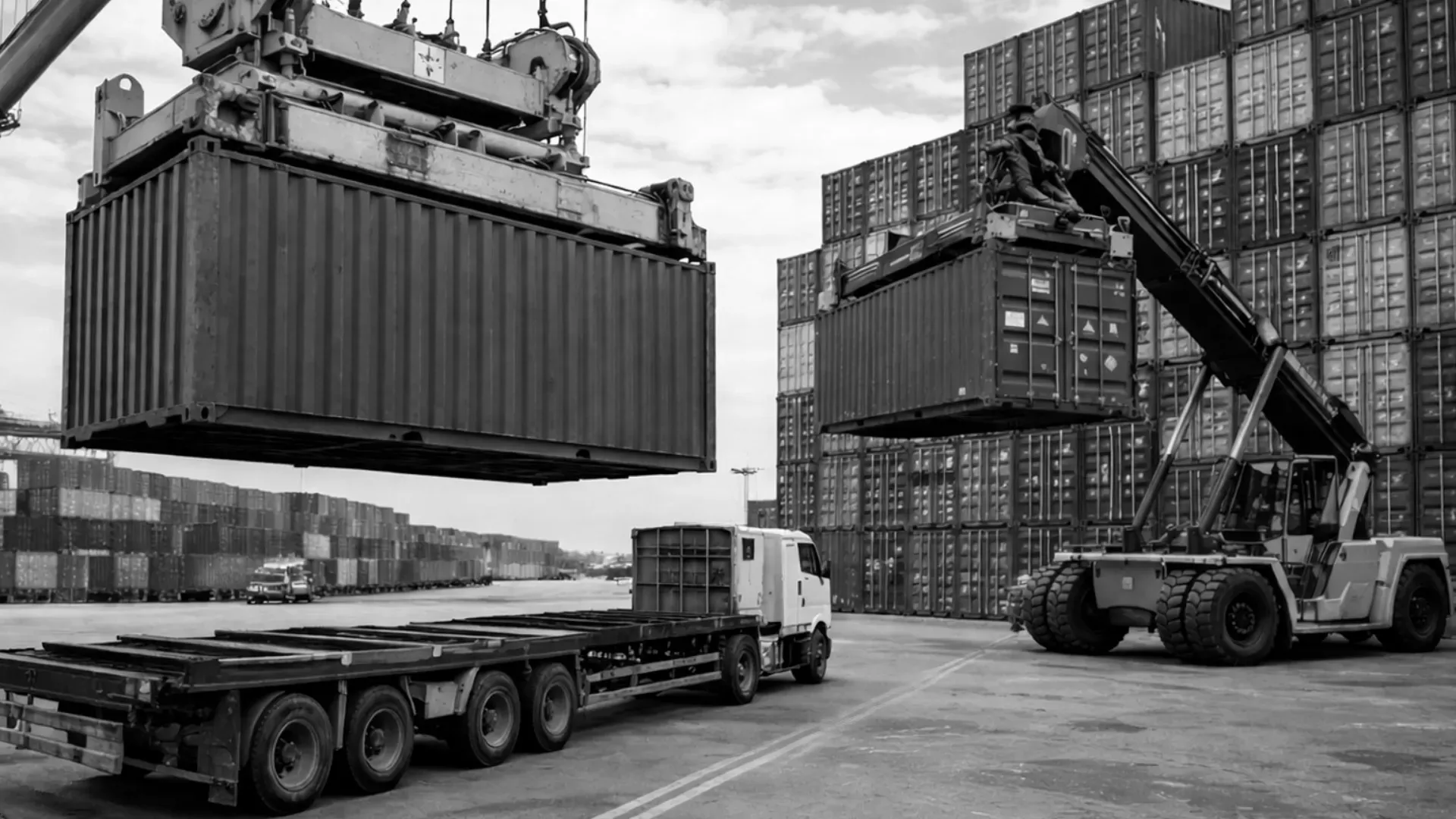
Weather and port congestion threaten schedules
Typhoon disruptions and congestion at key Shanghai container terminals have affected shipping during the busy pre-holiday period. When weather interrupts port operations, or when many exporters try to move goods at once, delays can spread beyond the affected terminal. Missed vessel departures may push cargo into later sailings, disrupt factory delivery plans, and narrow the time available to meet customer deadlines.
High-tech products can be especially sensitive to timing. A delayed component shipment may hold up assembly or installation, while a late arrival of computing equipment could affect a customer’s project schedule. Even when cargo is not damaged, uncertainty about arrival dates can create extra costs through storage, expedited transport, or production rescheduling.
Importers and exporters should therefore treat published transit times as estimates rather than guarantees during periods of severe weather or peak demand. Regular communication with freight forwarders and carriers can help teams identify emerging congestion early, but visibility alone does not remove the need for schedule flexibility.
A record-scale surplus raises trade concerns
China recorded a trade surplus of $119.09 billion in August and $805.51 billion over the first eight months. A surplus on this scale can attract political attention from trading partners, particularly when exports in strategically important sectors such as vehicles, semiconductors, and technology hardware are growing quickly.
The political response may include tariff proposals, trade investigations, export controls, or new compliance requirements. These measures are not inevitable, but companies should recognize that a swelling surplus can intensify debate about market access and competitive conditions. Upcoming diplomatic talks may offer opportunities to reduce friction, yet they do not guarantee that policy risks will disappear.
>> See more: Building Stronger Supplier Partnerships in China Starts With Protecting Business Information
Strategic Sourcing in a Polarized Trade Environment
Navigating high-tech supply chains requires boots-on-the-ground execution in China balanced with regional diversification across Southeast Asia.
- Direct factory vetting in China: High-value procurement in electronics, hardware, and industrial equipment demands rigorous pre-shipment inspections and on-site factory audits. Partners like China Sourcing Co (chinasourcing.co) help international buyers verify production capacity, track batch consistency, and lock in direct factory pricing without exposure to trading-company markups.
- Building resilience through China+1 strategies: With Southeast Asian export growth jumping 30.2%, manufacturing hubs like Vietnam are playing a pivotal role in supply chain derisking. Through Vietnam Sourcing Co (vietnamsourcing.co), businesses can qualify alternative tier-1 and tier-2 suppliers, navigate local assembly rules, and mitigate tariff exposure by shifting select sub-assemblies or final packaging out of single-market concentration.
Actionable Takeaways for Sourcing & Logistics Teams
Strong export demand creates opportunities, but converting demand into dependable deliveries requires advance planning. Procurement, logistics, and compliance teams can reduce avoidable disruption by coordinating decisions rather than treating sourcing, shipping, and regulatory monitoring as separate tasks:
- Secure high-tech and component allocations early: The global AI hardware boom is increasing competition for computing equipment and related inputs. Buyers should confirm forecasts, production slots, and delivery commitments with suppliers as early as possible. Where feasible, identify qualified alternative sources for components whose shortages could stop production.
- Build buffer time into shipping schedules: Allow additional time for peak-season congestion, typhoon-related interruptions, and missed vessel connections. Critical shipments may warrant earlier dispatch or alternative routing, balanced against the extra expense. Teams should also agree in advance on how delays will be communicated and who can approve changes.
- Map dependencies across the supply chain: Identify which products rely on a single factory, port, component, or transport route. A short disruption at one point can affect several downstream orders, particularly in high-tech manufacturing. Mapping these links helps teams prioritize the shipments and inputs that need backup plans.
- Prepare for tariff and regulatory shifts: Track policy discussions in major export markets and review how potential duties or restrictions could affect product classifications, landed costs, and customer contracts. Keep trade documentation accurate and accessible, and establish clear procedures for responding to new requirements.
- Review customer and market concentration: Growth in multiple regions can be an opportunity to diversify sales, but expansion should be based on sound commercial and compliance assessments. Companies should understand how much revenue depends on individual customers or markets and consider how quickly they could adjust if demand or market access changed.
Conclusion
China’s August trade picture combines vigorous high-tech export growth with clear operational and geopolitical risks. Semiconductor export value more than doubled, automotive shipments grew by over 50% in both volume and value, and computer hardware and AI-related exports benefited from strong global demand. Broad gains across the United States, Southeast Asia, Latin America, and the EU provide valuable support while domestic consumer spending remains soft.
Yet typhoon disruptions, Shanghai port congestion, and an $805.51 billion eight-month trade surplus underscore the necessity of agile supply chain management. By coupling on-site factory verification via specialized partners like China Sourcing Co with regional diversification through Vietnam Sourcing Co, global procurement teams can capture China's manufacturing speed while protecting their operations from regional bottlenecks and shifting trade policies.
Explore More Relative Resources

Building Stronger Supplier Partnerships in China Starts With Protecting Business Information
For businesses working with manufacturers in China, protecting product designs, technical specifications, confidential commercial information and supplier relationships is an important part of building sustainable partnerships.


Iron Ore Prices Are Falling. Will Sourcing Steel Products from China Get Cheaper?
For businesses sourcing steel products from China, development raises an important question: will lower raw material prices translate into cheaper factory quotations?
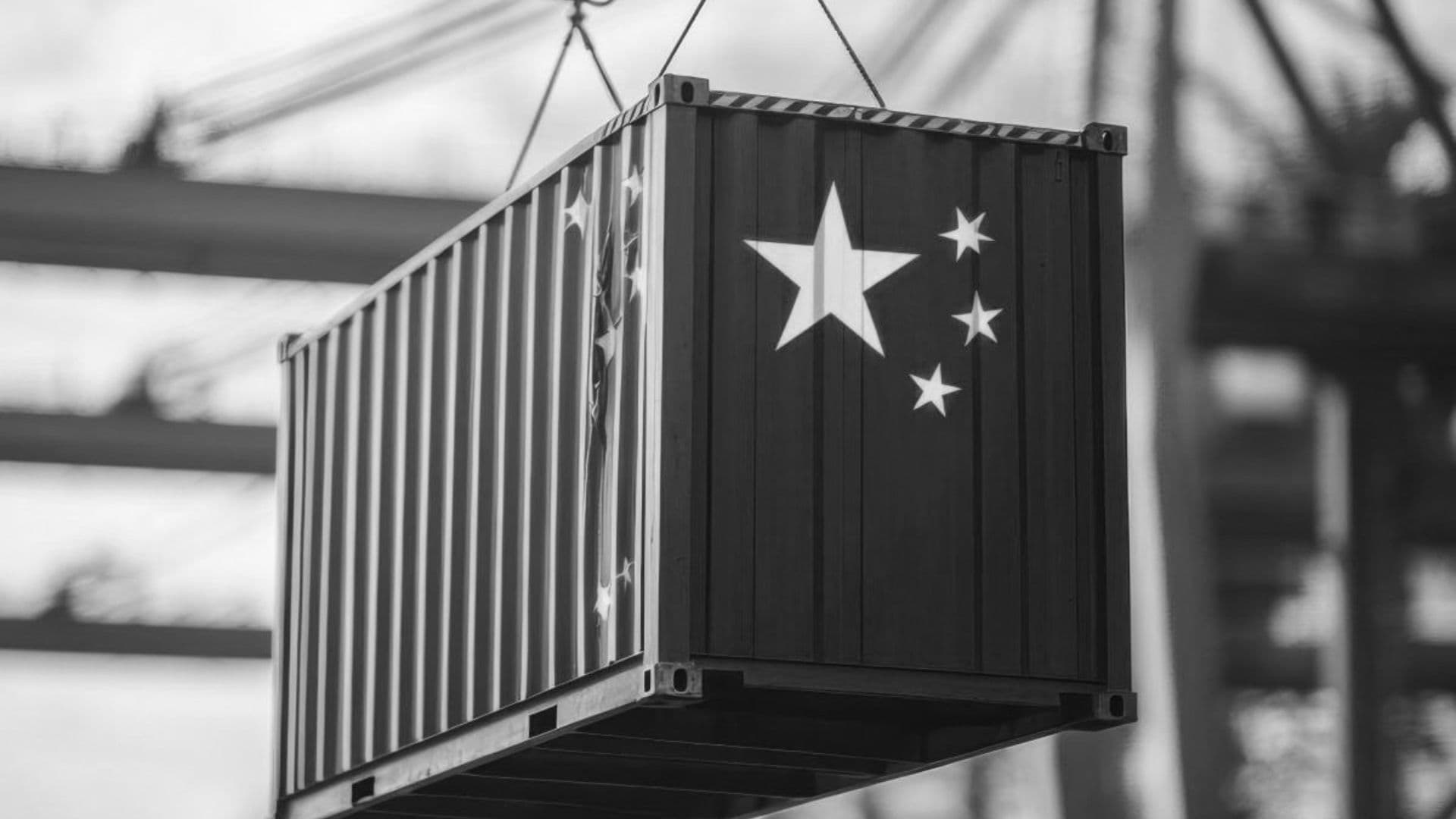
Tech Exports - China's Lifeline for Economic Growth
Tech Exports: The Lifeline Sustaining China's Economic Growth captures a central tension in China’s economy: technology-led shipments are providing momentum even as domestic demand remains hesitant and trade risks intensify. The export boom is both a source of resilience and a test of how Beijing can turn short-term strength into more balanced, durable growth.
Ready to work with a sourcing team that's built for real-world results?
From first quote to final delivery, China Sourcing Co helps you simplify sourcing, reduce risks, and scale with confidence.