



China Furniture Industry: Sourcing Beyond Foshan – 3 “Hidden” Hubs
 Tag
TagExample Category
 Date
Date12/09/2026
 Reading Time
9 min read

For leaders of large-scale furniture enterprises, Foshan is the undisputed epicenter of the China furniture industry. Its dominance is undeniable, a sprawling ecosystem of factories, suppliers, and logistics that has rightfully earned it the title of “Furniture Capital of the World.” However, for a truly sophisticated and resilient supply chain strategy, viewing Foshan as the beginning and end of the sourcing map is a critical limitation. As costs in the Pearl River Delta rise and competition intensifies, the most forward-thinking leaders are gaining a significant competitive advantage by diversifying their sourcing portfolios into specialized, cost-effective manufacturing hubs that exist “beyond Foshan.”
This guide provides a strategic analysis of these alternative hubs. This is not a simple directory, but a high-level briefing for business leaders on the strategic imperatives of geographic diversification. We will dissect three “hidden gem” clusters, each offering unparalleled specialization and advantages in specific product categories. We will explore how leveraging these hubs can de-risk your supply chain, unlock significant cost savings, and provide access to unique manufacturing capabilities. This is the blueprint for moving from a reactive, Foshan-centric sourcing model to a proactive, nationwide strategy that builds a truly defensible, long-term competitive advantage.
 The Strategic Imperative: Why Geographic Diversification is No Longer Optional
 The Strategic Imperative: Why Geographic Diversification is No Longer Optional
Relying solely on Foshan and the greater Pearl River Delta creates a single point of failure within the China furniture industry supply chain. A strategic leader diversifies not just suppliers, but entire geographic regions, for four key reasons:
- Risk Mitigation: Over-reliance on one region makes your entire supply chain vulnerable to localized disruptions, such as power shortages, labor disputes, or regional regulatory changes. Diversification builds resilience.
- Cost Optimization: Land and labor costs in emerging inland hubs are significantly lower than in the coastal megacities. For high-volume, standardized products, this can translate to a 10-15% reduction in FOB costs.
- Unparalleled Specialization: These alternative hubs often develop into hyper-specialized ecosystems for a single product category, creating efficiencies in the raw material sourcing and component supply chain that even Foshan cannot match for that specific niche.
- Access to Innovation: These clusters are often centers of innovation for their specific product types, providing access to new materials, technologies, and manufacturing processes.
Hub 1: Anji, Zhejiang – The Undisputed “Chair Town of China”
If you are a serious player in the seating category, and your sourcing strategy doesn’t include Anji, you are at a competitive disadvantage.
- The Specialization: Anji is the global capital for chairs. This is not an exaggeration. The county produces an estimated one-third of all office chairs manufactured worldwide. Its focus is absolute: Anji office chair production, gaming chairs, barstools, and massage chairs.
- The Strategic Advantage: This hyper-specialization has created an ecosystem of unparalleled efficiency. Anji is home to not just chair assembly factories, but a dense network of component suppliers producing gas lifts, casters, armrests, bases, and mechanisms. This allows for rapid prototyping, immense economies of scale, and a level of cost-effectiveness in the chair category that is untouchable. The entire city’s infrastructure is built around making chairs efficiently.
- Who Should Source Here: Large-scale office furniture distributors, major e-commerce brands specializing in gaming chairs, and any business where seating is a core, high-volume category. For any significant Anji office chair program, sourcing directly from this hub is a strategic necessity.
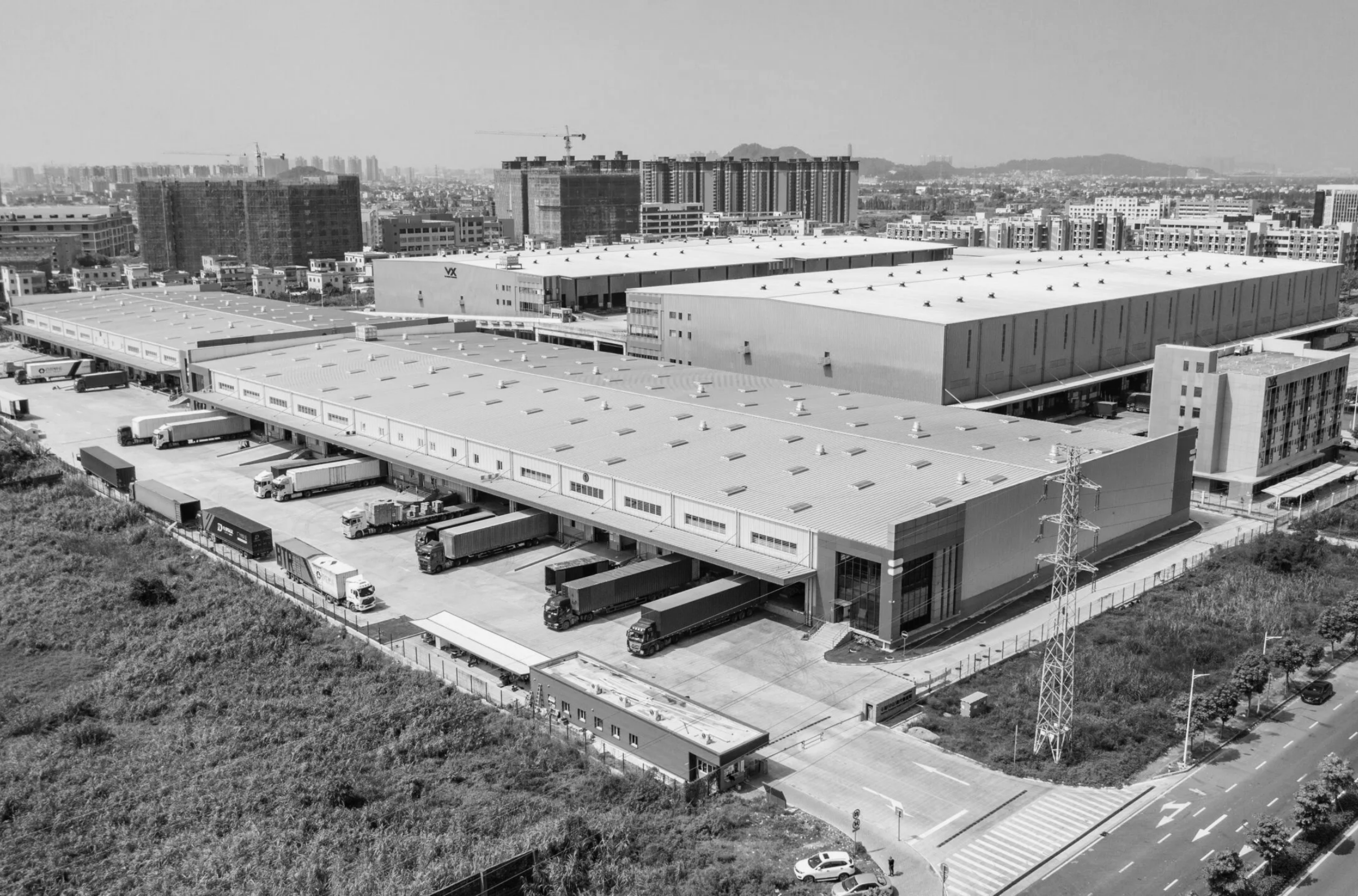
Hub 2: Shengfang, Hebei – The Metal & Glass Powerhouse of the North
While Foshan dominates in wood and upholstery, the capital for cost-effective metal and glass furniture lies in the north, in the town of Shengfang.
- The Specialization: Shengfang is a massive hub for furniture that utilizes metal tubing and glass. This includes dining tables, dining chairs, coffee tables, bar furniture, and TV stands. The scale of production for Hebei furniture of this type is immense.
- The Strategic Advantage: Shengfang’s primary advantage is its proximity to Northern China’s steel production heartland. This provides direct access to raw materials at a lower cost than in the south. The factories here are masters of high-volume, automated production processes like tube bending, welding, and powder-coating, making them incredibly competitive for entry-level to mid-market product lines. A simple metal-frame dining chair that is a secondary product for a Foshan factory is the primary, hyper-optimized product for a Shengfang factory.
- Who Should Source Here: Mass-market retailers, large distributors focused on promotional or value-driven product lines, and businesses for whom metal and glass furniture is a core category. For any large-scale Hebei furniture program, Shengfang offers a compelling cost advantage.
Hub 3: Chengdu, Sichuan – The Western Hub & Gateway to Europe
Chengdu, the capital of Sichuan province, represents the future of the China furniture industry: a massive, modern manufacturing base serving both the vast domestic market and, increasingly, the international market via new logistics corridors.
- The Specialization: Chengdu is a major center for modern panel furniture (MDF, particleboard) and has a rapidly growing, highly sophisticated cluster for upholstered sofas and beds.
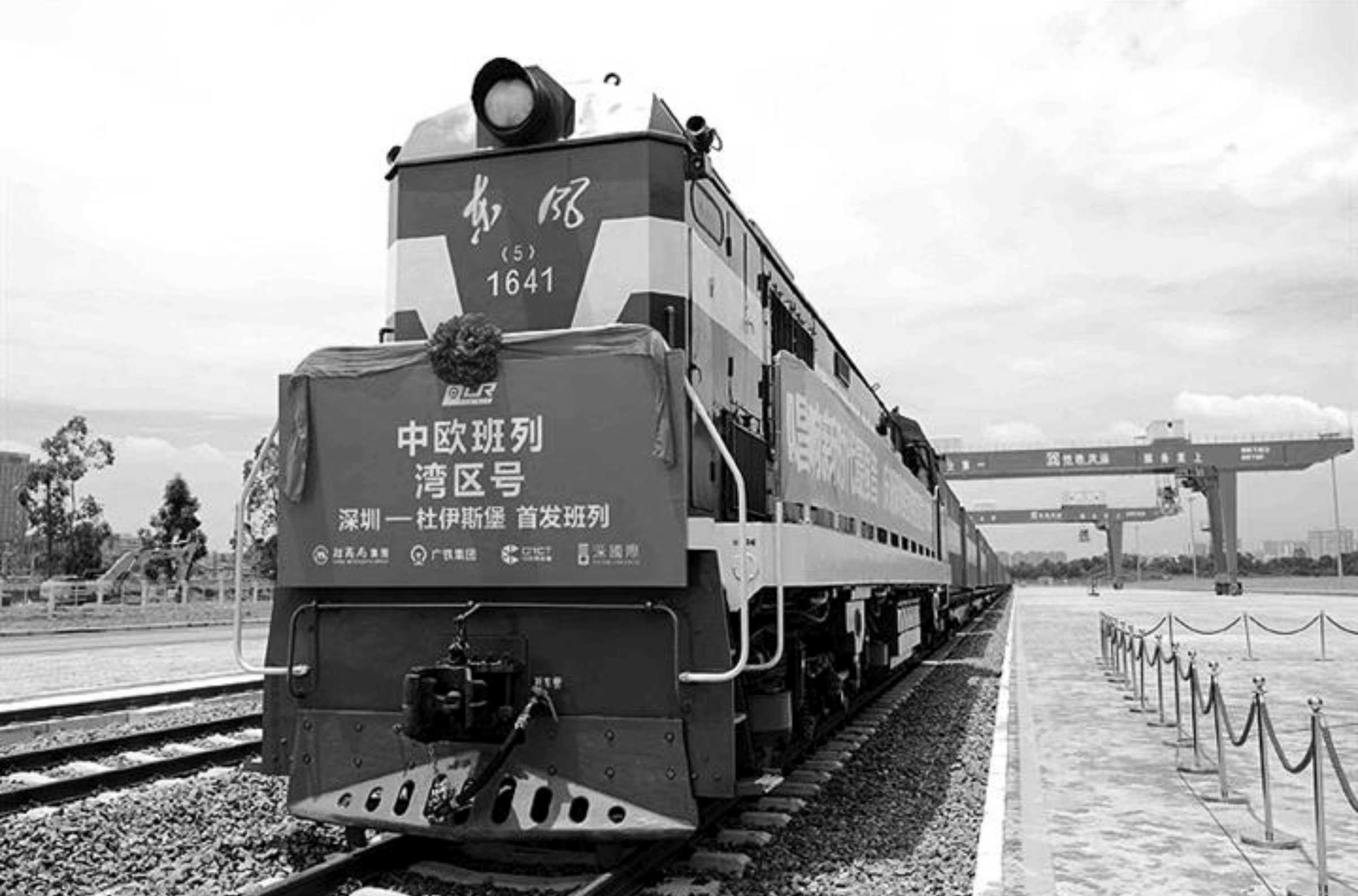
- The Strategic Advantage: Chengdu’s advantages are twofold. First, as a major inland hub, its operational costs are lower than the coastal regions. Second, and most importantly, it is a primary terminal for the China-Europe Railway Express. As detailed by industry sources like the Belt and Road Initiative official portal, this rail link can deliver goods to European logistics hubs in 15-20 days, roughly half the time of sea freight. This transforms the logistics equation for European importers, offering a powerful middle ground between slow, cheap sea freight and fast, expensive air freight.
- Who Should Source Here: European distributors and brands looking to significantly cut their lead times, and any large-scale importer of modern panel or upholstered furniture seeking to diversify their supplier base away from the coast.
Frequently Asked Questions (FAQ)
- Is it more difficult to manage logistics and QC from these inland hubs?
Yes, it can be if you are managing it yourself. Inland trucking to the port can add complexity and cost compared to a factory located in Foshan. This is a key area where a sourcing partner with a nationwide network, rather than one just focused on a single city, provides immense value by managing these integrated logistics seamlessly.
- Are the quality standards in these hubs the same as in Foshan?
Quality in the China furniture industry is factory-specific, not city-specific. There are world-class, export-focused factories in every one of these hubs, and there are low-quality ones. The same rigorous factory audit and quality control processes are required regardless of location. The key is that these hubs contain specialists who can often produce their specific product type to a higher quality standard than a generalist factory in Foshan.
- How do I find reliable suppliers in these less-famous regions?
This is the primary challenge. These factories are often less visible on major B2B platforms like Alibaba. Finding and vetting them typically requires on-the-ground presence, local language skills, and a network of industry contacts. This is a core competency of a professional, nationwide sourcing firm.
Read More from Our In-depth Analysis & Expert Solutions
Architecting a Truly Resilient Supply Chain
Mastering the China furniture industry in the modern era is about playing chess, not checkers. It requires a sophisticated, multi-hub sourcing strategy that leverages the unique strengths of different regions to build a supply chain that is not just cost-effective, but also resilient, specialized, and agile. At ChinaSourcing.co, we are not just Foshan experts; we are China experts. Our nationwide network and on-the-ground teams provide the intelligence and execution capability to unlock the powerful advantages of these specialized manufacturing hubs.
Let’s discuss your strategic objectives.
Schedule a confidential, no-obligation Strategic Supply Chain Assessment with our senior partners. We will discuss your specific challenges—whether it’s diversifying your supplier base, optimizing costs on a specific product line, or building a more resilient and scalable platform for your next phase of growth.
Please subscribe to see the detail
Free Resources Right Here
Enter your email to gain full access to our resources
Get exclusive access from expert insights to streamline your supply chain.
Free Resources
Explore More Relative Resources
Example Category
China's March PMI Reaches 50.4 Amid Middle East Conflict Pressures
Stronger Demand Drives China's Manufacturing PMI to 50.4 China's factory activity experienced its highest growth in a year during March, buoyed by st...

28/07/2026

4 min read
![Furniture Wholesale Suppliers: The Ultimate Framework to Vet Top Manufacturers in China [2025]](https://chinasourcing.co/wp-content/uploads/2025/10/10-point-framework-vetting-furniture-wholesale-suppliers.png)
Example Category
Furniture Wholesale Suppliers: The Ultimate Framework to Vet Top Manufacturers in China [2025]
For leaders in the furniture wholesale suppliers industry, a polished Alibaba profile or impressive product brochure are vanity metrics. The true me...
17/06/2026
8 min read

Example Category
The 2026 consumer goods pivot: Why your China strategy needs an upgrade
We have entered a new era for consumer goods in China. The latest "Horizon Scanning" reports for 2026 confirm that the market has moved beyond simpl...
19/03/2026
3 min read
Contact Us Right Today
Ready to work with a sourcing team that’s built for real-world results?
From first quote to final delivery, China Sourcing Co helps you simplify sourcing, reduce risks, and scale with confidence.