

China Property Slowdown 2026 – Building Materials Sourcing
11 Nov 2026 · 6 min read
Summary
China's building materials factories have more open capacity than they did a year ago, and that is good news for overseas buyers. New construction starts are the earliest signal for building materials demand. A softer domestic market rewards buyers who prepare, especially when sourcing construction materials from China.
1. Open Factory Capacity in China: A 2026 Window for China Building Materials Sourcing
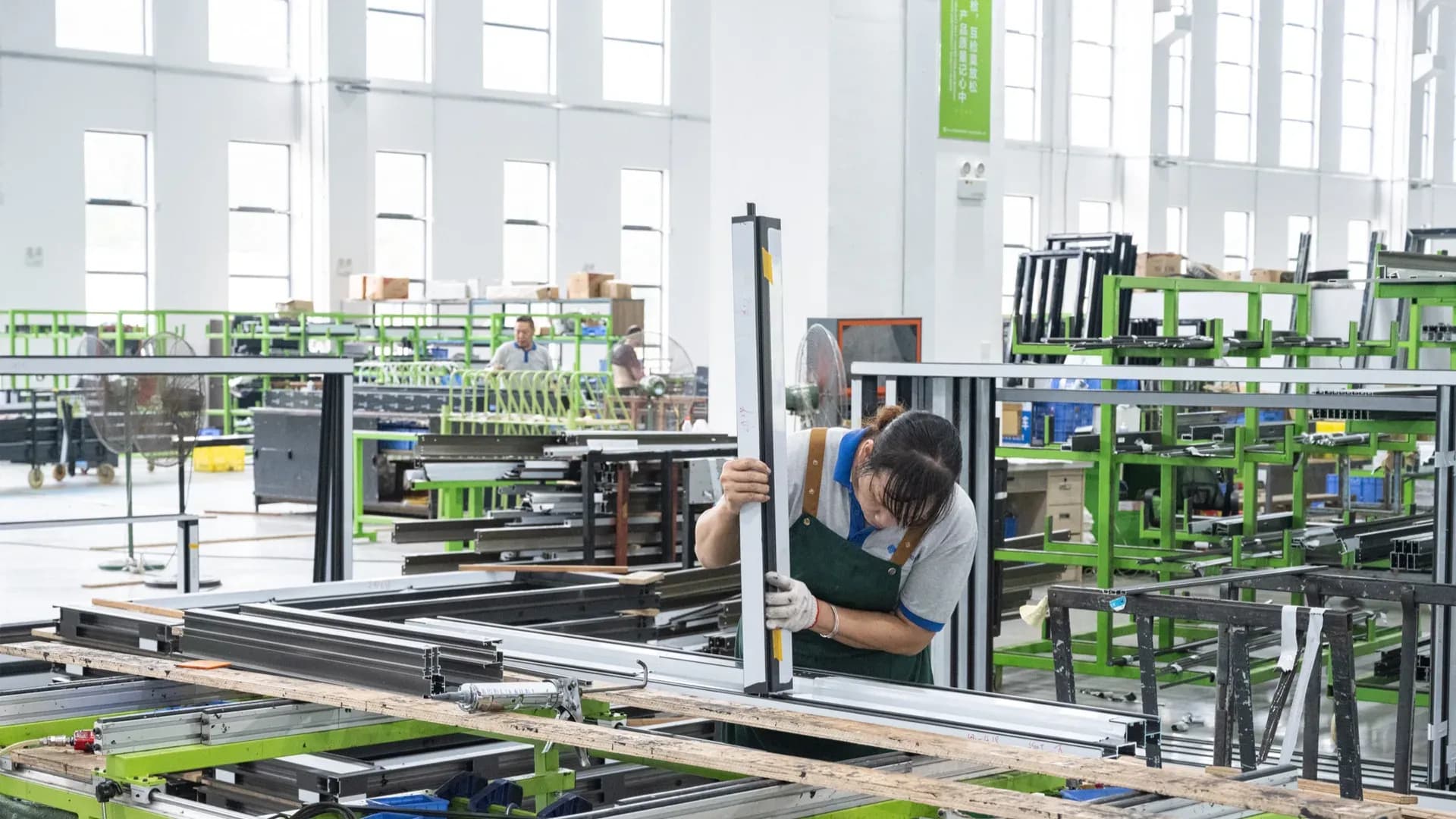
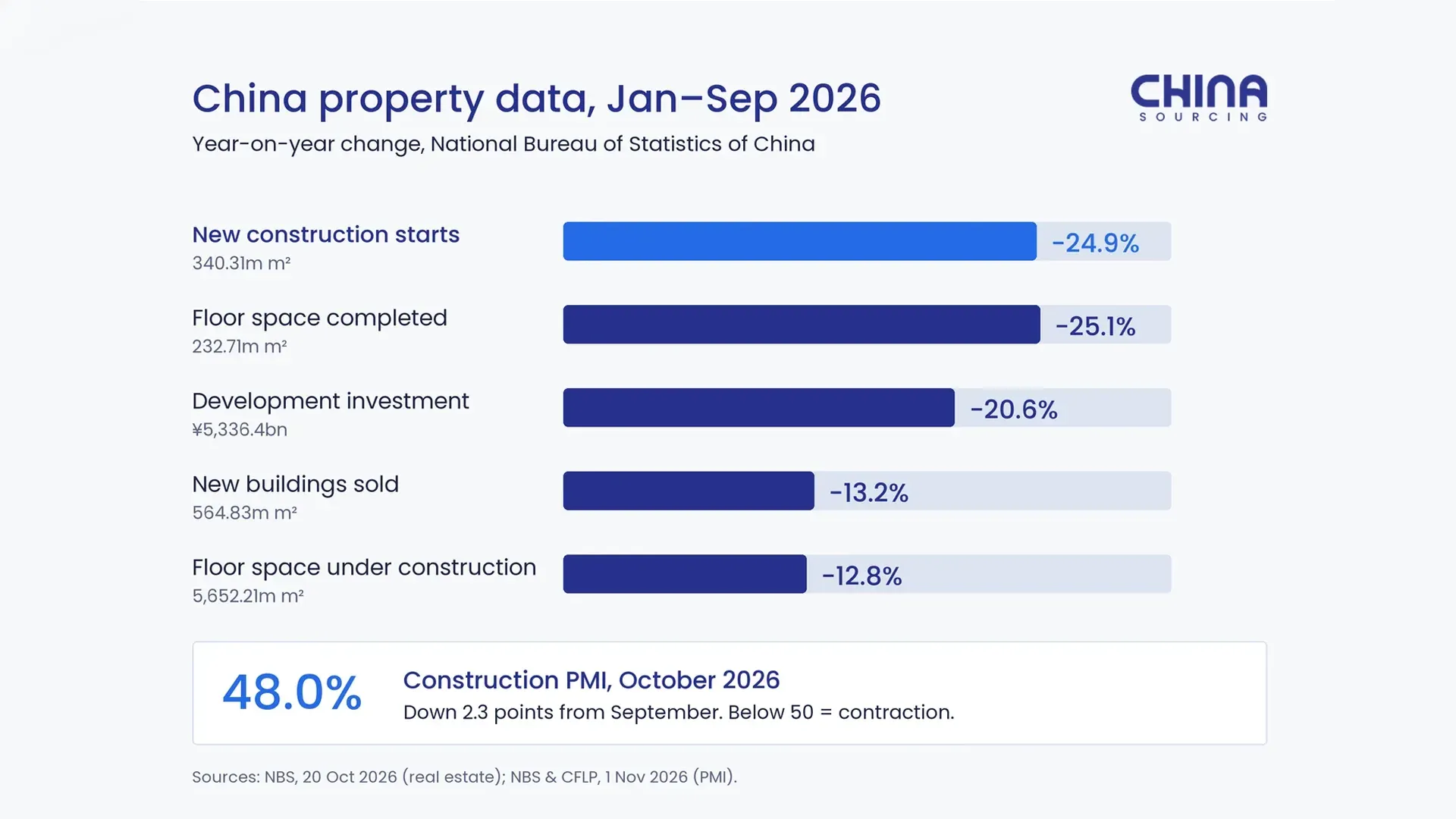
China's building materials factories have more open capacity than they did a year ago, and that is good news for overseas buyers. With fewer new projects at home, many suppliers are keen to win export orders, which can mean faster production slots and more flexible terms. Official data from the National Bureau of Statistics (NBS) shows why: the floor space of new construction starts fell 24.9% in the first nine months of 2026, and the construction PMI was 48.0% in October.
This guide explains where the opportunity comes from, how to make the most of it in your China building materials sourcing, and which questions to ask suppliers before you place your next order.
2. What the Latest China Property Market 2026 Data Shows
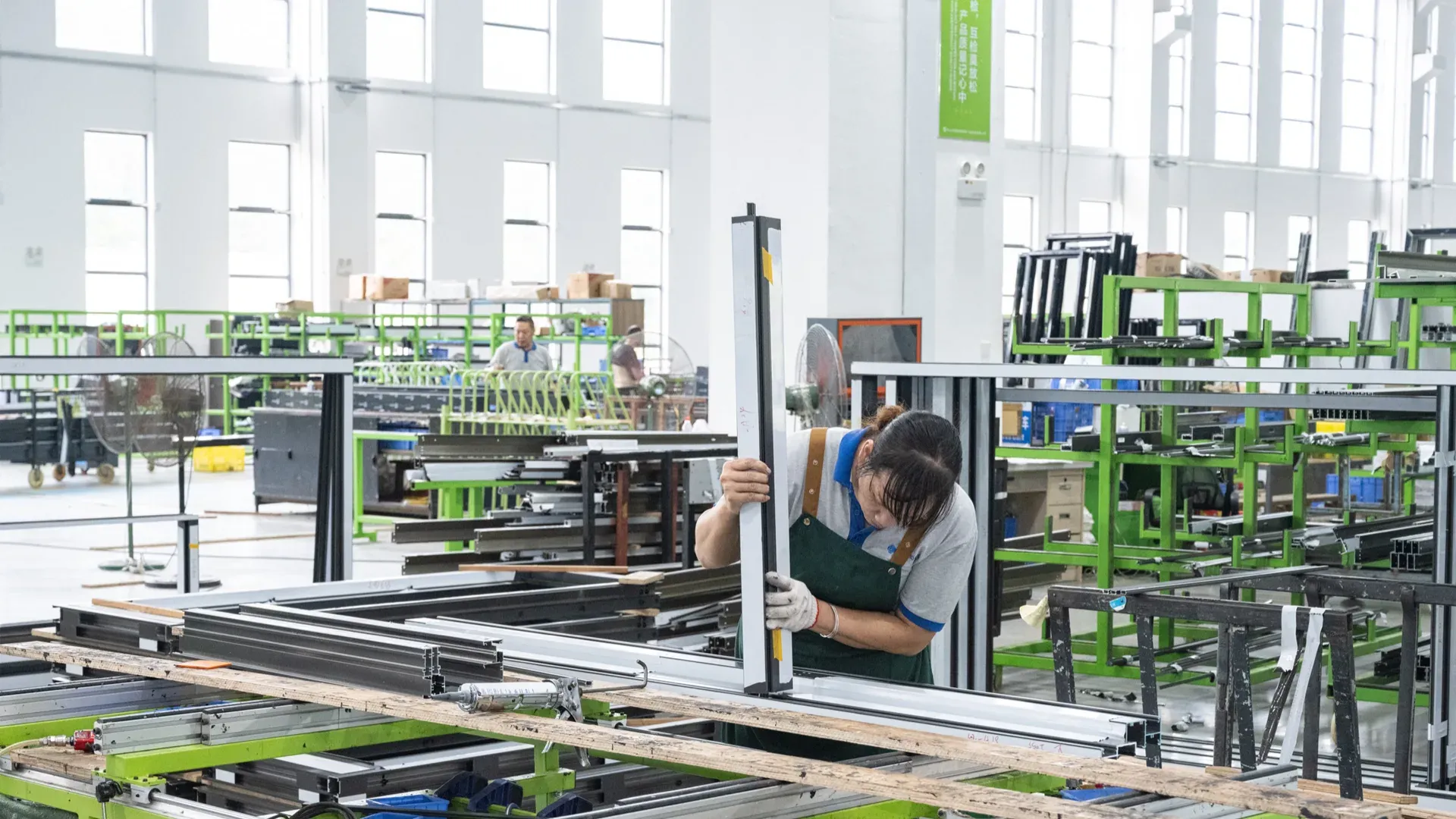
The NBS released its January to September real estate figures on 20 October 2026. Every major indicator moved lower compared with the same period in 2025:
Indicator (Jan-Sep 2026) | Value | Change y/y |
Real estate development investment | 5,336.4 billion RMB | -20.6% |
Floor space under construction | 5,652.21 million m2 | -12.8% |
Floor space of new construction starts | 340.31 million m2 | -24.9% |
Floor space completed | 232.71 million m2 | -25.1% |
Floor space of new commercial buildings sold | 564.83 million m2 | -13.2% |
Source: National Bureau of Statistics of China, 20 October 2026.
The October PMI release, published on 1 November, points the same way. The business activity index for the construction industry, often called the China construction PMI, fell to 48.0%, down 2.3 percentage points from September and below the 50% line that separates growth from contraction. The manufacturing PMI also slipped to 49.3%, with small enterprises at 47.5%.
3. Why New Starts Matter More Than Sales
New construction starts are the earliest signal for building materials demand. Tiles, sanitaryware, doors, windows, cladding and fittings are ordered months after ground is broken. A 24.9% fall in new starts means domestic demand for these products is likely to stay soft into 2027, even if home sales stabilise.
4. Why the Slowdown Opens a Window for China Building Materials Sourcing
A slower home market shifts the balance between buyer and factory. Here is what that opens up for international buyers, and how to keep quality on track.
4.1 More Open Capacity at Many Building Materials Suppliers in China
Factories that sized their lines for a busy domestic market now have spare capacity. Many building materials suppliers in China are looking harder at export orders to keep their lines running. For international buyers, that can mean shorter queues for production slots and more willingness to run samples and trial orders.
4.2 More Room to Discuss Lead Times, MOQs and Terms
With fewer domestic projects, suppliers are often more flexible on minimum order quantities, payment terms and lead times. The opportunity is real, but it works best when your specification is clear and your order volume is realistic. Flexibility on terms should never come at the cost of written quality standards.
4.3 Lock in Quality While Terms Are Flexible
Flexible terms are the right moment to put your quality standards in writing. Confirm materials, finishes and hardware against your approved sample, agree on in-line checks, and treat a supplier you have not used for a while as if it were new. Changes in materials or sub-suppliers are easier to catch before production than after.
5. Questions to Ask Building Materials Suppliers in China Now
QIMA's Q4 2026 Barometer, based on inspection and audit data, lists supplier requalification as a top risk for the quarter: buyers returning to China should recheck audits, capacity and compliance before renewing orders. These five questions turn that advice into a practical checklist:
How much of your current capacity is booked, and for which markets?
Ask for the split between domestic and export orders. A factory that has moved quickly from domestic projects to export may need time to meet your market's standards and labelling rules.
Has anything changed in your materials or sub-suppliers this year?
Request the current bill of materials and the names of key sub-suppliers for glazes, resins, glass, hardware or coatings. Compare them with your last approved sample.
What lead time can you commit to in writing?
Open capacity today does not guarantee capacity in three months. Put the agreed production window and penalty terms in the purchase order.
How is quality checked during production, not only at the end?
Ask who performs in-line checks, how often, and what records you will receive. Agree on a pre-shipment inspection by an independent team before final payment. Our quality control service covers in-line and pre-shipment checks.
Can we see current certificates and test reports?
Test reports should be recent and match the exact product and factory you are buying from. Use a structured manufacturer vetting checklist and a prepared supplier interview questions list so nothing is missed.
6. How a China Sourcing Company Helps You Make the Most of It
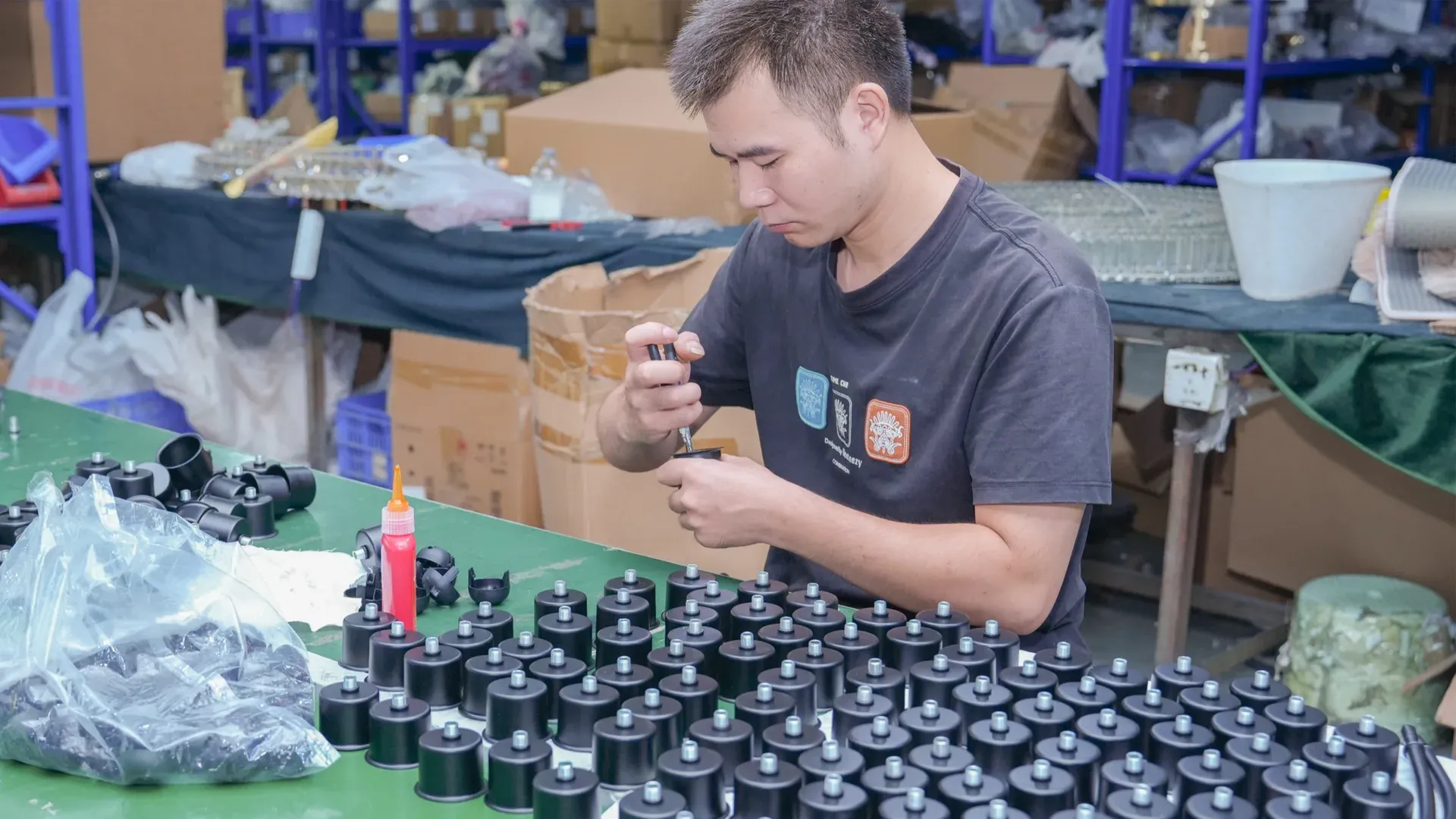
A softer domestic market rewards buyers who prepare, especially when sourcing construction materials from China. A China Sourcing company with people on the ground can visit factories, confirm what has changed since your last order, compare quotations on the same scope, and manage inspections before goods leave the port.
At China Sourcing Co, we support China building materials sourcing from supplier search to shipment. Our sourcing service shortlists and audits factories, and our building materials team works with tiles, sanitaryware, doors, windows and finishing products. For more analysis like this, see our China market trends updates.
7. Conclusion: Capitalising on Open Capacity in 2026
Open capacity in China's building materials factories makes this a good time for overseas buyers to plan their next order. With new starts down 24.9% and a construction PMI of 48.0%, many suppliers are keen to win export orders and more flexible on terms. Use that room to negotiate, and keep your quality standards written down and checked. Treat returning suppliers as new, ask the five questions above, and verify before you pay. With careful China Sourcing, a slower domestic market can become a stronger position for your business.
Planning your next building materials order? Talk to our team.
8. Frequently Asked Questions (FAQ)
Is China's property slowdown good for overseas building materials buyers?
Yes, for buyers who prepare. Many factories have more open capacity and are more flexible on lead times and order sizes. The benefit holds only if you confirm quality, materials and compliance before ordering.
Which building materials are most affected by fewer new construction starts in China?
Products used in new buildings, such as tiles, sanitaryware, doors, windows, cladding and fittings, are most exposed, because orders follow new starts by several months.
Will prices for China building materials fall in 2026?
The data does not set prices. Lower domestic demand can give buyers more room to negotiate, but raw material, energy and freight costs still shape each quotation. Compare quotes on the same specification and scope.
How do I requalify a China supplier I have not ordered from for a while?
Recheck the factory audit, current capacity, materials and sub-suppliers, certificates and test reports. Order a new pre-production sample and plan a pre-shipment inspection.
Why work with a China Sourcing company instead of ordering directly?
A local team can visit factories, check changes since your last order, compare quotations like for like, and manage inspections, which reduces risk when supplier conditions change quickly.
References
- National Bureau of Statistics of China. Investment in Real Estate Development from January to September 2026. 20 October 2026.
- National Bureau of Statistics of China and China Federation of Logistics & Purchasing. Purchasing Managers' Index for October 2026. 1 November 2026.
- QIMA. Q4 2026 Barometer: China's Rebound Shows How Fast Reactive Diversification Can Unwind. 20 October 2026.
Explore More Relative Resources