



Furniture Certification: A Strategic Guide to FSC, CARB P2 & Fire Safety Standards
 Tag
Tag Date
Date Reading Time
For leaders of large-scale furniture distribution businesses, navigating the complex alphabet soup of international certifications—FSC, CARB P2, BIFMA, BS 5852—is not a matter of bureaucratic compliance. It is a matter of strategic market access, risk management, and brand positioning. In the modern global marketplace, a furniture certification is not an optional extra; it is the non-negotiable passport required to enter high-value Western markets. Attempting to import products without the correct certifications is not just a business risk; it is a direct path to product seizures, multi-million dollar fines, catastrophic product recalls, and irreparable brand damage.
This guide provides a strategic, not just technical, analysis of the most critical certifications for furniture importers. We will move beyond simple definitions to dissect the profound commercial and legal implications of each standard. We will explore the key certifications governing environmental sustainability, chemical safety, and fire resistance, providing a clear framework for integrating a proactive compliance strategy into your supply chain. The objective is to transform compliance from a perceived cost center into a powerful tool for de-risking your business and unlocking access to the world’s most profitable consumer markets.

Environmental & Sustainability Certifications: The Keys to the Premium Market
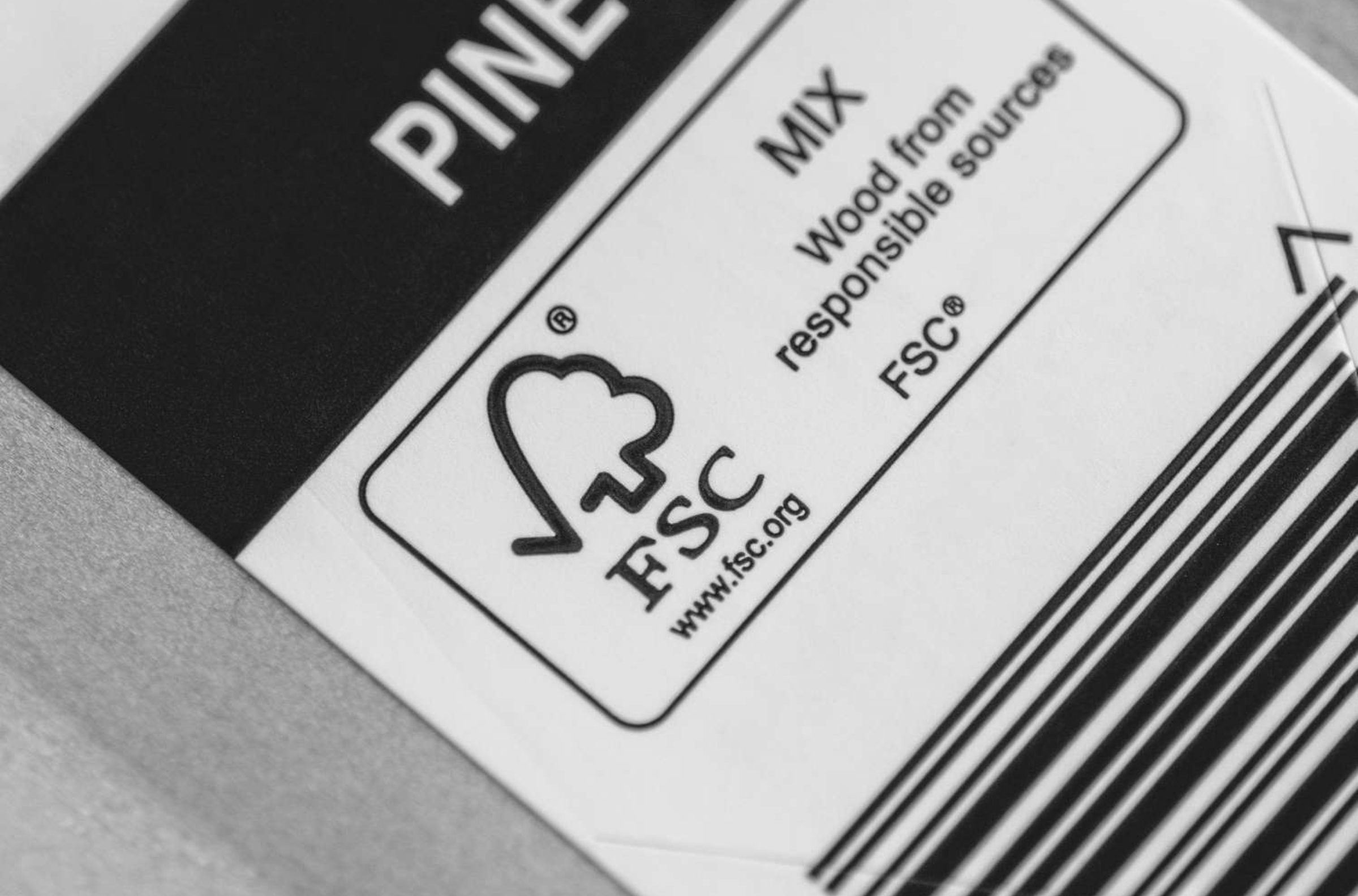
FSC® (Forest Stewardship Council®): The Gold Standard in Wood Sourcing
- What it is: The FSC is a global, not-for-profit organization dedicated to promoting responsible management of the world’s forests. FSC certified furniture provides a verifiable guarantee that the wood used comes from forests that are managed to meet the highest social and environmental standards.
- Strategic Importance: For any brand selling wood furniture, FSC certification is the single most powerful tool for communicating a commitment to sustainability. Major retailers like West Elm and Pottery Barn have made public commitments to increasing their use of FSC-certified wood, making it a critical requirement for their supply chain partners. While FSC-certified raw material can increase FOB costs by 10-20%, it can justify a retail price premium and unlocks access to a powerful, eco-conscious consumer segment.
- The Critical Detail: Chain of Custody (CoC): It is not enough for a factory to claim they use FSC wood. The factory itself must hold a valid FSC Chain of Custody (CoC) certification. This ensures the certified material is tracked from the forest through every stage of production. You must demand the factory’s CoC number (e.g., FSC-CXXXXXX) and verify it on the public FSC International database. A factory unable to provide a valid CoC number is a major red flag.
CARB P2 & TSCA Title VI: The Non-Negotiable Standard for Chemical Safety
- What it is: These are mandatory legal standards in the United States that regulate formaldehyde emissions from composite wood products like MDF, particleboard, and plywood. The California Air Resources Board (CARB) Phase 2 is the California standard, and the TSCA Title VI is the equivalent federal law that largely adopted the California standard.
- Strategic Importance: This is not a premium feature; it is a legal requirement for market access. Importing composite wood products into the US without this certification is illegal and can lead to product seizures and massive fines from the EPA. For any wholesale furniture distributor, verifying a supplier’s CARB P2/TSCA Title VI compliance (through third-party lab test reports) is a fundamental, non-negotiable step in the due diligence process.
Fire Safety & Durability Certifications: The Shield Against Liability
Key Fire Safety Standards (US & UK)
- What they are: These are legal requirements in many jurisdictions that dictate how upholstered furniture must resist ignition from sources like smoldering cigarettes or open flames. The standards vary significantly by region and application (residential vs. commercial).
- Strategic Importance: Failure to comply with these standards is a massive liability risk. A fire-related incident involving non-compliant furniture could lead to devastating lawsuits and brand ruin.
- California TB 117-2013: The baseline standard for residential upholstered furniture sold in the US. It requires upholstery to pass a smolder resistance test.
- BS 5852 (UK): A more stringent set of standards, particularly the “Crib 5” test, which is a legal requirement for most commercial/contract furniture sold in the UK. It involves testing the furniture against a small wooden crib set on fire, simulating a more intense ignition source.
- The Actionable Step: You must clearly specify the exact fire safety standards required for your target market in your product’s technical specifications. A professional supplier will be able to provide third-party lab reports demonstrating compliance.
BIFMA: The Benchmark for Commercial Durability
- What it is: The Business and Institutional Furniture Manufacturers Association (BIFMA) sets the standards for commercial-grade office furniture in North America. These standards test for safety, durability, and structural integrity through a series of rigorous tests (e.g., seating durability, stability, load-bearing capacity).
- Strategic Importance: For any business selling into the B2B office furniture market, BIFMA compliance is the expected standard. It is the clearest indicator that a product is built to withstand the rigors of a commercial environment, which directly impacts its Total Cost of Ownership and protects you from warranty claims and product failures.
Integrating Compliance into Your Supply Chain
- Stage 1: Product Development: Identify the mandatory and strategic certifications required for your target market before the design is finalized.
- Stage 2: Supplier Vetting: Make a supplier’s ability to provide valid, verifiable certificates a key criterion in your selection process. Ask for their FSC CoC number, their CARB P2 test reports, and their BS 5852 lab results during the initial audit.
- Stage 3: Purchase Order: Your PO must legally obligate the supplier to meet these specific standards. The certification requirements should be listed as a critical, contractual specification.
- Stage 4: Quality Control: Your on-site QC inspectors must be trained to visually verify certification labels and markings during the Pre-Shipment Inspection.

Frequently Asked Questions (FAQ)
- What is the difference between FSC 100%, FSC Mix, and FSC Recycled?
- FSC 100%: All wood in the product comes from FSC-certified forests. This is the highest standard.
- FSC Mix: The product is made from a mixture of FSC-certified wood, controlled wood (from low-risk, non-controversial sources), and/or recycled material.
- FSC Recycled: All wood or fiber in the product is from reclaimed material.
- Can I test a product for CARB P2 compliance myself?
- Are these certifications a one-time thing for a factory?
Read More from Our In-depth Analysis & Expert Solutions
- The China Furniture Supply Chain: An In-depth Analysis [2025]
- How to Protect Your Furniture Designs in China [IP Guide]
- How to Calculate Landed Cost for Furniture Imports [Advanced]
- China Factory Audits for Furniture: A Complete Guide
- China Furniture Sourcing Beyond Foshan: 3 Hidden Hubs
From Compliance Burden to Competitive Advantage
Please subscribe to see the detail
Enter your email to gain full access to our resources
Get exclusive access from expert insights to streamline your supply chain.
Explore More Relative Resources
![Furniture Wholesale Suppliers: The Ultimate Framework to Vet Top Manufacturers in China [2025]](https://chinasourcing.co/wp-content/uploads/2025/10/10-point-framework-vetting-furniture-wholesale-suppliers.png)
Furniture Wholesale Suppliers: The Ultimate Framework to Vet Top Manufacturers in China [2025]
For leaders in the furniture wholesale suppliers industry, a polished Alibaba profile or impressive product brochure are vanity metrics. The true me...



The 2026 consumer goods pivot: Why your China strategy needs an upgrade
We have entered a new era for consumer goods in China. The latest "Horizon Scanning" reports for 2026 confirm that the market has moved beyond simpl...

The post-October reality: Why export compliance is the new standard in 2026 China sourcing
We are now several months into the enforcement of China’s sweeping export compliance overhaul. For global procurement leaders, the transition from "...
Ready to work with a sourcing team that’s built for real-world results?
From first quote to final delivery, China Sourcing Co helps you simplify sourcing, reduce risks, and scale with confidence.