



What is MOQ in Furniture Sourcing? (+Proven Negotiation Tips) 2026
 Tag
Tag Date
Date Reading Time
Summary
For a specific order, they must purchase raw materials from their own suppliers, who have their own MOQs. The MOQ is set to amortize this fixed cost over a profitable number of units. Offer to Pay a Higher Price Per Unit (Addressing Soft MOQs):
Why Do Furniture Suppliers Have MOQs? An Economic Breakdown
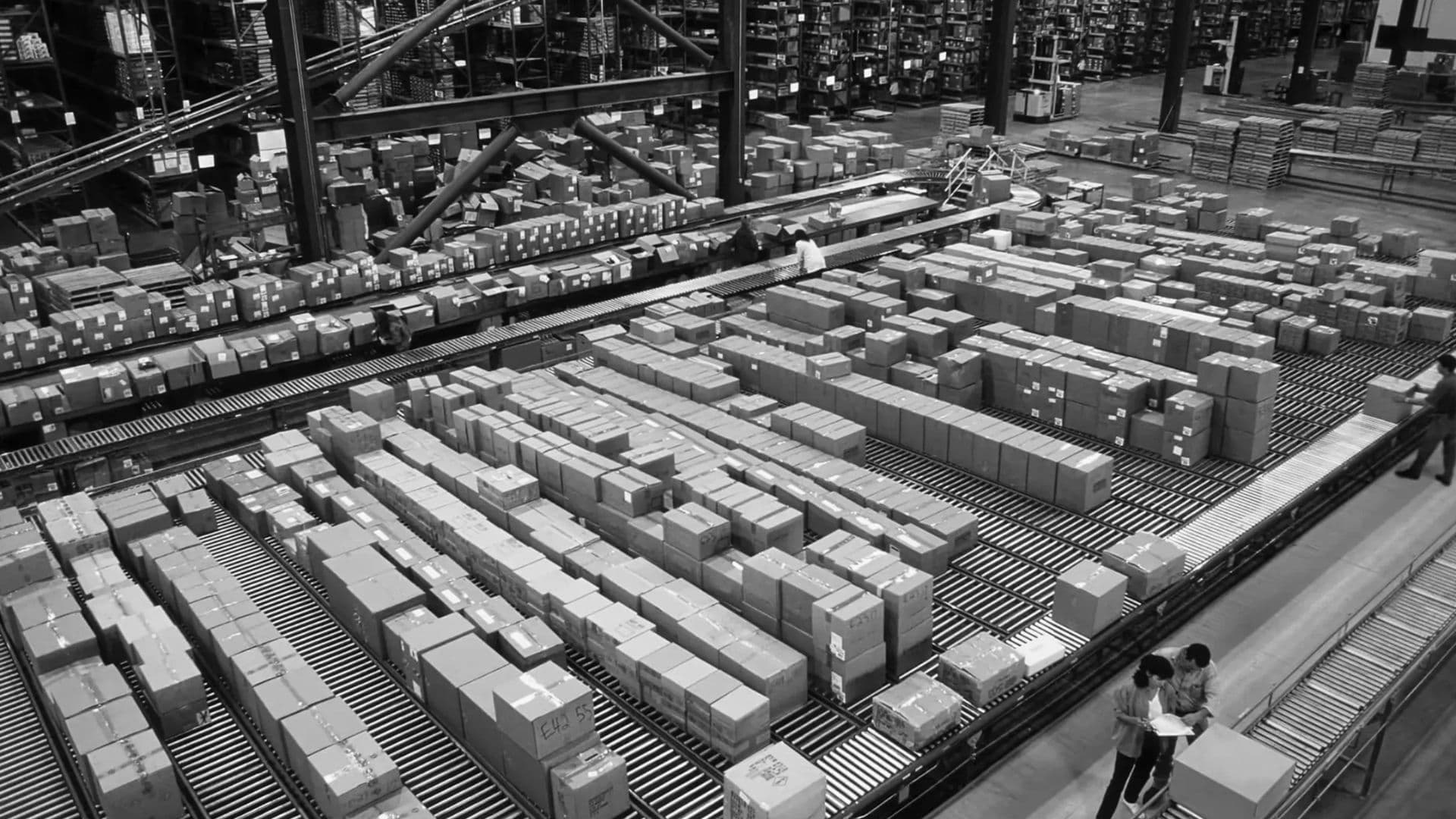
- Raw Material Procurement: Factories do not stock vast quantities of every possible material. For a specific order, they must purchase raw materials from their own suppliers, who have their own MOQs. A fabric mill, for example, may not sell less than a 500-meter roll of a specific color. If your chair requires 2 meters of fabric, the factory must order enough fabric for 250 chairs.
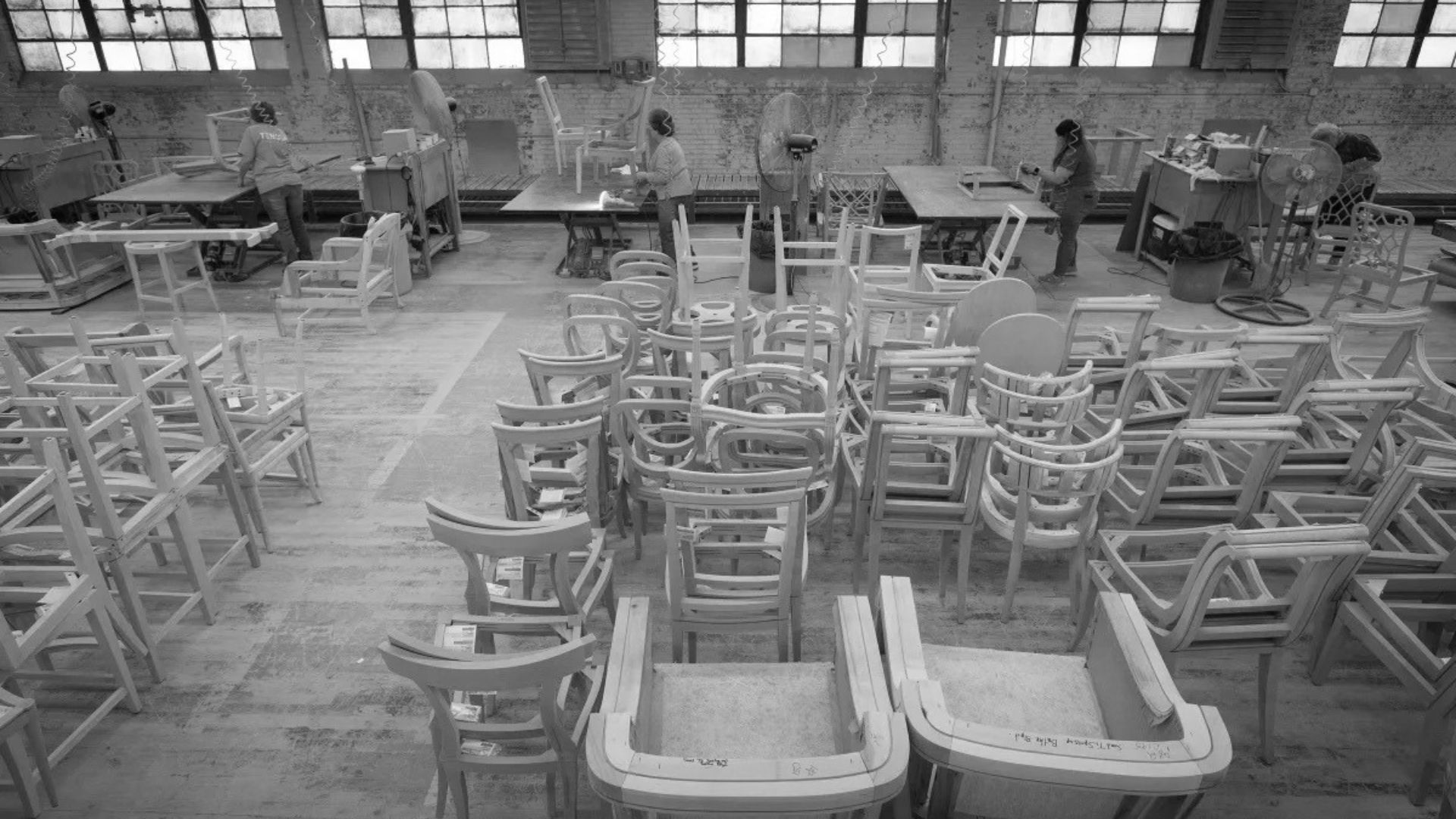
- Machine Setup & Tooling Costs (Fixed Costs): Setting up a production line is a labor-intensive process. The cost to set up a CNC machine for a specific wooden component could be $300. If they only make 10 units, that’s a $30 setup cost per unit. If they make 300 units, the cost drops to just $1 per unit. The MOQ is set to amortize this fixed cost over a profitable number of units.
- Labor Efficiency & Opportunity Cost: Production lines operate most efficiently when running continuously. Stopping a line to switch to a very small, different order is inefficient and incurs significant downtime. The factory has an opportunity cost; they could be using that same production slot for a larger, more profitable order.
The Financial Impact of High MOQs: A C-Suite Perspective
The Hidden Costs of Excess Inventory
- Holding Costs: This is the most underestimated expense. It’s the cost of storing unsold inventory in your warehouse. Industry benchmarks place annual holding costs at 20-30% of the inventory’s value. This includes warehousing rent, insurance, security, and potential damage or obsolescence.
- Cash Flow & Liquidity Risk: Every dollar tied up in excess inventory is a dollar that cannot be used for marketing, new product development, or other growth initiatives. A high MOQ can severely strain your cash flow. For example, meeting an MOQ of 500 chairs at $50/unit ties up $25,000 of your working capital before you’ve even sold a single item.
Hard vs. Soft MOQs: A Strategic Distinction
- Hard MOQ: This is driven by an external constraint, usually a raw material supplier’s minimum. For example, if a specific type of German-made hardware is only sold in boxes of 1,000, the factory cannot physically produce less than the equivalent number of furniture pieces. These are very difficult to negotiate.
- Soft MOQ: This is set internally by the factory to optimize their production efficiency and profitability. These are the MOQs where skilled negotiation can often yield positive results.
What is a “Reasonable” MOQ for Wholesale Furniture?
How to Negotiate MOQs: 5 Professional Strategies
- Consolidate Your Order (Addressing Soft MOQs):
- Offer to Pay a Higher Price Per Unit (Addressing Soft MOQs):
- Modify the Product (Addressing Hard MOQs):
- Offer a Deposit for Future Orders:
- Time Your Order with a Larger Production Run:
Read More from Our A-Z Sourcing Guide
- China’s Top 5 Furniture Cities: A Wholesale Sourcing Guide
- Alibaba vs 1688 for Furniture: Which B2B Platform is Best?
- How to Vet Chinese Furniture Suppliers: A 10-Point China Checklist
- China Furniture Import Costs: A Complete Breakdown [2025]
Beyond Negotiation: The Strategic Advantage of a Sourcing Partner
Please subscribe to see the detail
Enter your email to gain full access to our resources
Get exclusive access from expert insights to streamline your supply chain.
Explore More Relative Resources
Tech Exports - China's Lifeline for Economic Growth
Tech Exports: The Lifeline Sustaining China's Economic Growth captures a central tension in China’s economy: technology-led shipments are providing momentum even as domestic demand remains hesitant and trade risks intensify. The export boom is both a source of resilience and a test of how Beijing can turn short-term strength into more balanced, durable growth.



Building Agile Supply Chains: Optimizing Global Sourcing for a Resilient Future
In today’s rapidly changing global marketplace, adopting the China Plus One strategy and optimizing global sourcing have gained unprecedented significance for building agile supply chains. Organizations must adapt quickly to shifting dynamics, mitigate overreliance risks, and leverage opportunities beyond traditional sourcing practices. Robust supply networks that can pivot and adapt have emerged as a necessity […]
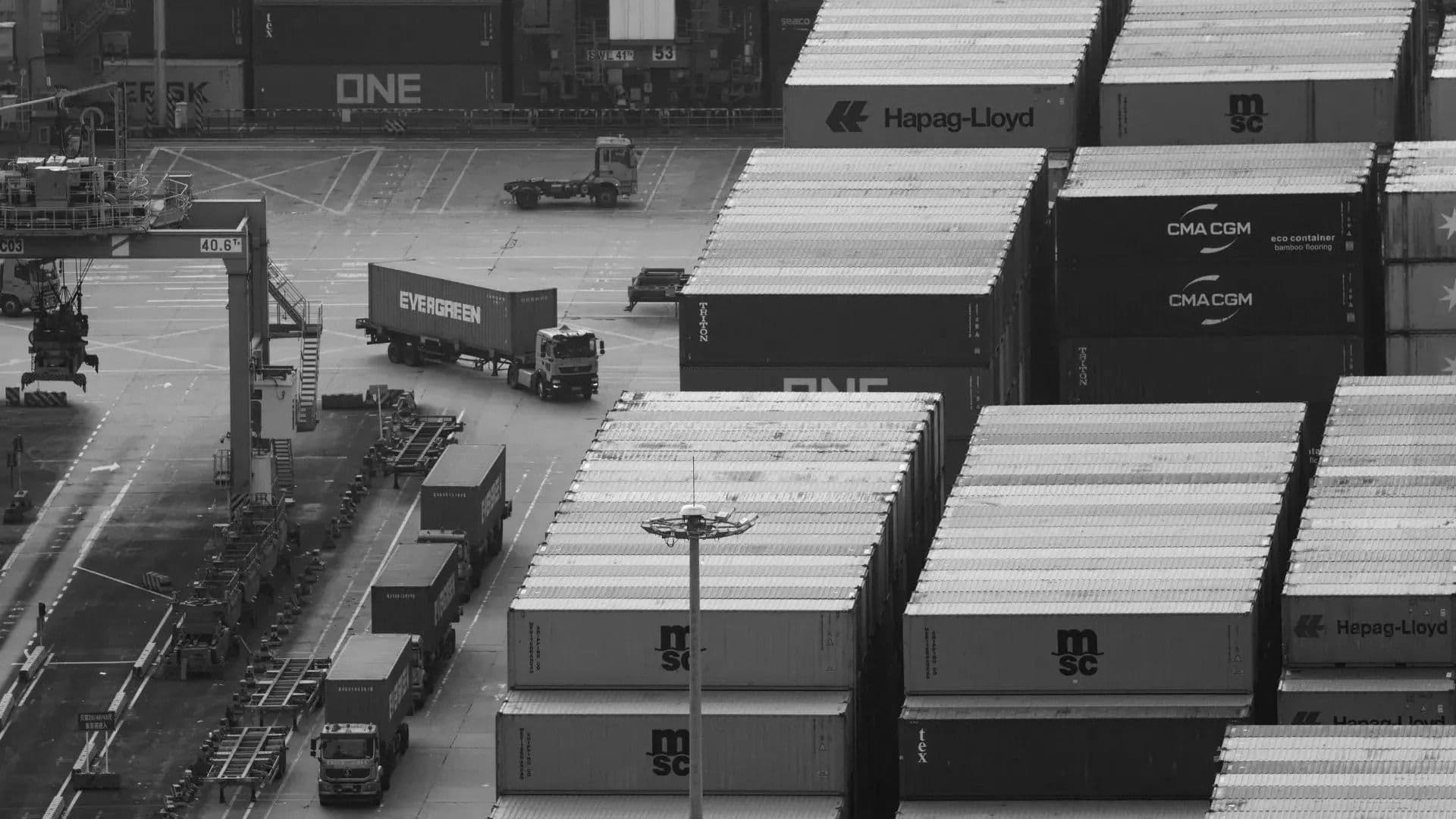
Reaching the $6.3 Trillion Mark: China’s Trade Demonstrates Remarkable Resilience and a Shift Toward High-Value Activities
Reaching the $6.3 trillion mark, China’s trade statistics have become a focal point of analysis for economists and policymakers alike. In 2025, China’s trade landscape has shown extraordinary resilience despite global uncertainties, demonstrating a pivot towards more high-value activities and a transformation in how goods are produced and transported.
Ready to work with a sourcing team that's built for real-world results?
From first quote to final delivery, China Sourcing Co helps you simplify sourcing, reduce risks, and scale with confidence.