



Strategic Furniture Quality Control: The Definitive Guide to Your China QC Check
 Tag
Tag Date
Date Reading Time
Summary
A single critical defect typically results in the failure of the entire inspection lot. What’s Checked: A full AQL inspection covering structural integrity, aesthetics, dimensions, function, and packaging. What is the most critical stage of furniture quality control?


The Strategic & Statistical Foundation of Modern QC for Wholesale Furniture
A Deep Dive into AQL (Acceptance Quality Limit)
- Critical Defects (AQL 0): Unacceptable flaws that could cause harm to the user (e.g., a chair that is structurally unstable, presence of lead paint, sharp edges). A single critical defect typically results in the failure of the entire inspection lot.
- Major Defects (AQL 2.5): Flaws that would likely result in the product being returned by the consumer (e.g., a deep scratch on a tabletop, incorrect dimensions, a significant color mismatch). The 2.5 indicates that a batch is considered acceptable if 2.5% or fewer items in the sample are defective.
- Minor Defects (AQL 4.0): Small imperfections that most users would not notice or that do not affect the product’s function (e.g., a tiny blemish on an unseen part).
The Three-Stage Inspection Framework & Its ROI
Stage 1: Pre-Production Inspection (PPI)
- What’s Checked: Wood moisture content (must be 6-8% for North American climates), steel gauge and pre-treatment for powder-coating, foam density (kg/m³), fabric grammage (GSM), and a check of the factory’s production readiness.
- Strategic ROI: A $300 investment in a PPI can prevent a catastrophic $30,000 mistake. Catching a batch of improperly dried wood at this stage saves the entire production run from being manufactured with a fatal flaw that guarantees warping and cracking. The ROI in this scenario is nearly 100:1. It is the highest-leverage activity in the entire QC process.
Stage 2: During Production Inspection (DPI or DUPRO)
- What’s Checked: Assembly processes, jig accuracy, welding quality, consistency of finishing, and initial packaging. The inspector ensures that the factory’s process is capable of meeting the standard at scale.
- Strategic ROI: A DPI acts as an early warning system. It allows for the correction of process-related issues before they are replicated across thousands of units. Correcting a misaligned welding jig after 50 units costs a few hundred dollars in rework; discovering it after 5,000 units have been produced costs tens of thousands and can cause project-killing delays.
Stage 3: Pre-Shipment Inspection (PSI)
- What’s Checked: A full AQL inspection covering structural integrity, aesthetics, dimensions, function, and packaging.
- Strategic ROI: A passed PSI provides the objective, third-party documentation needed to confidently release the final 70% payment to the supplier. If the inspection fails, it gives you the undeniable leverage to demand rework before the products leave the factory, saving you from a disastrous situation upon arrival. It shifts the negotiation power firmly to your side at the most critical moment.
The Technical Execution of a World-Class Inspection
The Inspector’s Toolkit: Beyond the Tape Measure
- Digital Moisture Meter: Provides a precise percentage reading for wood and rattan.
- Digital Calipers: Measures thickness and dimensions to a fraction of a millimeter.
- Pantone Color Swatches: The global standard for ensuring objective color matching against specifications.
- Cross-Hatch Adhesion Tester: A specialized tool that scores a finish and uses calibrated tape to test its durability.
- Barcode Scanner: Verifies that EAN/UPC codes are correct and scannable, preventing costly retail compliance failures.
The Anatomy of the Inspection
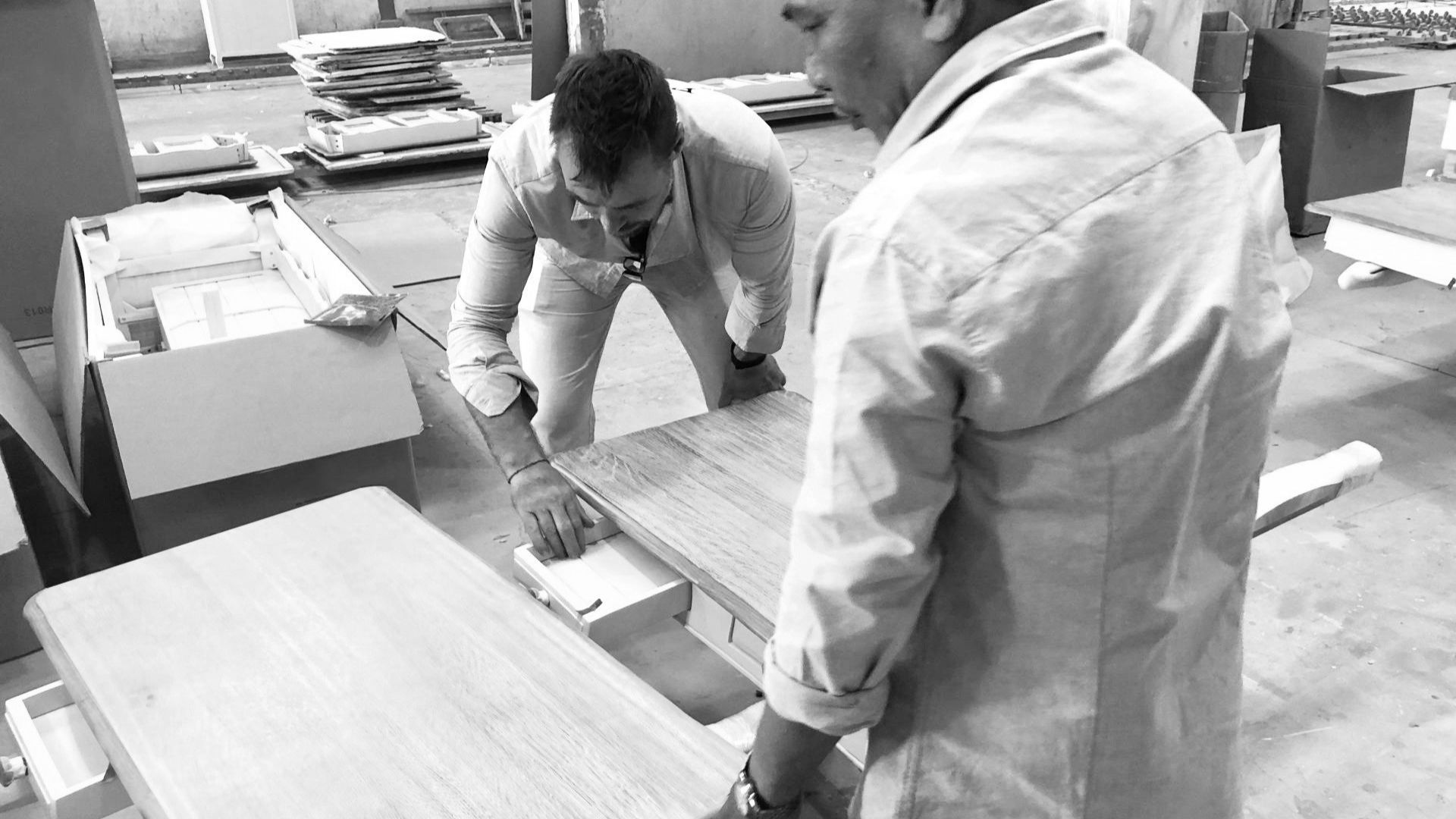
- Structural Integrity & Safety Tests: Stability tests on a level granite surface, static load tests (e.g., placing 135kg / 300lbs on a chair seat for a set period), and dynamic stress tests on all joints.
- Workmanship & Finish Quality: A meticulous cosmetic inspection under controlled lighting for scratches, dents, and color consistency. The cross-hatch test for finish adhesion is a non-negotiable step.
- Dimensional & Functional Verification: Using calipers and measuring tapes to check against technical drawings with specified tolerances (e.g., +/- 2mm). For KD furniture, a full assembly test is mandatory.
- Packaging & Labeling Verification: Verifying carton thickness (ECT or Burst Strength), drop test survival, and accurate shipping marks to prevent customs nightmares.
Beyond the Report: Building a Data-Driven QC System
Developing Supplier Scorecards
- Final Inspection Pass/Fail Rate
- Average Number of Major/Minor Defects per Inspection
- Most Common Types of Defects
- On-Time Shipment Rate
Driving Continuous Improvement
Frequently Asked Questions (FAQ)
- What is the most critical stage of furniture quality control?
- How much does a professional QC inspection in China cost?
- Can I just rely on the factory’s own internal furniture quality control report?
- What happens if an inspection fails?
Read More from Our Advanced Wholesale Furniture Optimization & Solutions Guides
- China Furniture Logistics: A Complete Guide to QC & Shipping
- Shipping Furniture from China: Sea Freight vs. Trucking
- China Sourcing Agent vs. DIY: Which is Better for Furniture?
- How to Become a Furniture Distributor for Chinese Brands
- Incoterms for Furniture Imports Explained [Simple Guide]
Your Eyes and Ears on the Factory Floor
Please subscribe to see the detail
Enter your email to gain full access to our resources
Get exclusive access from expert insights to streamline your supply chain.
Explore More Relative Resources
Tech Exports - China's Lifeline for Economic Growth
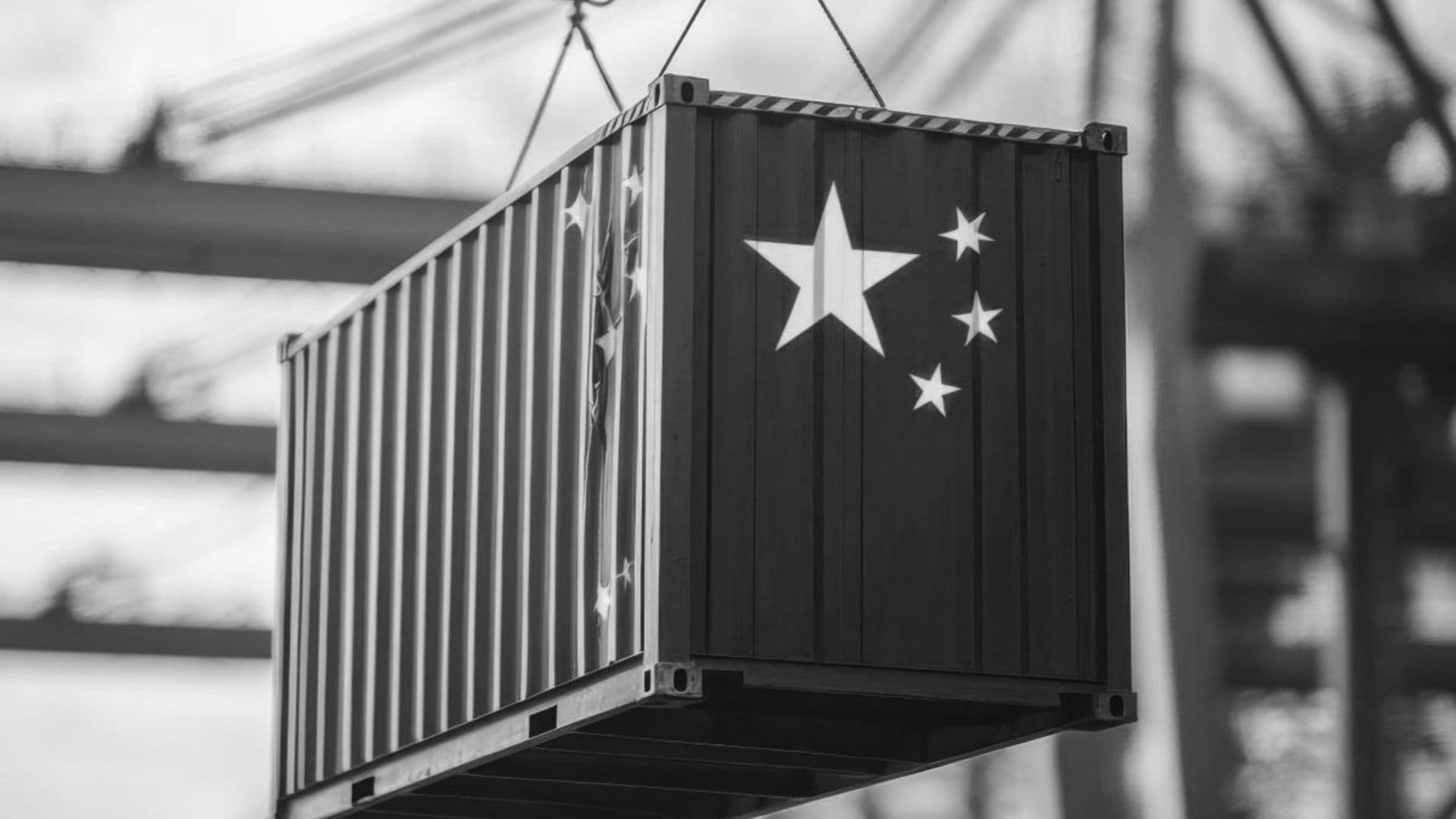
Tech Exports: The Lifeline Sustaining China's Economic Growth captures a central tension in China’s economy: technology-led shipments are providing momentum even as domestic demand remains hesitant and trade risks intensify. The export boom is both a source of resilience and a test of how Beijing can turn short-term strength into more balanced, durable growth.



Building Agile Supply Chains: Optimizing Global Sourcing for a Resilient Future
In today’s rapidly changing global marketplace, adopting the China Plus One strategy and optimizing global sourcing have gained unprecedented significance for building agile supply chains. Organizations must adapt quickly to shifting dynamics, mitigate overreliance risks, and leverage opportunities beyond traditional sourcing practices. Robust supply networks that can pivot and adapt have emerged as a necessity […]
Reaching the $6.3 Trillion Mark: China’s Trade Demonstrates Remarkable Resilience and a Shift Toward High-Value Activities
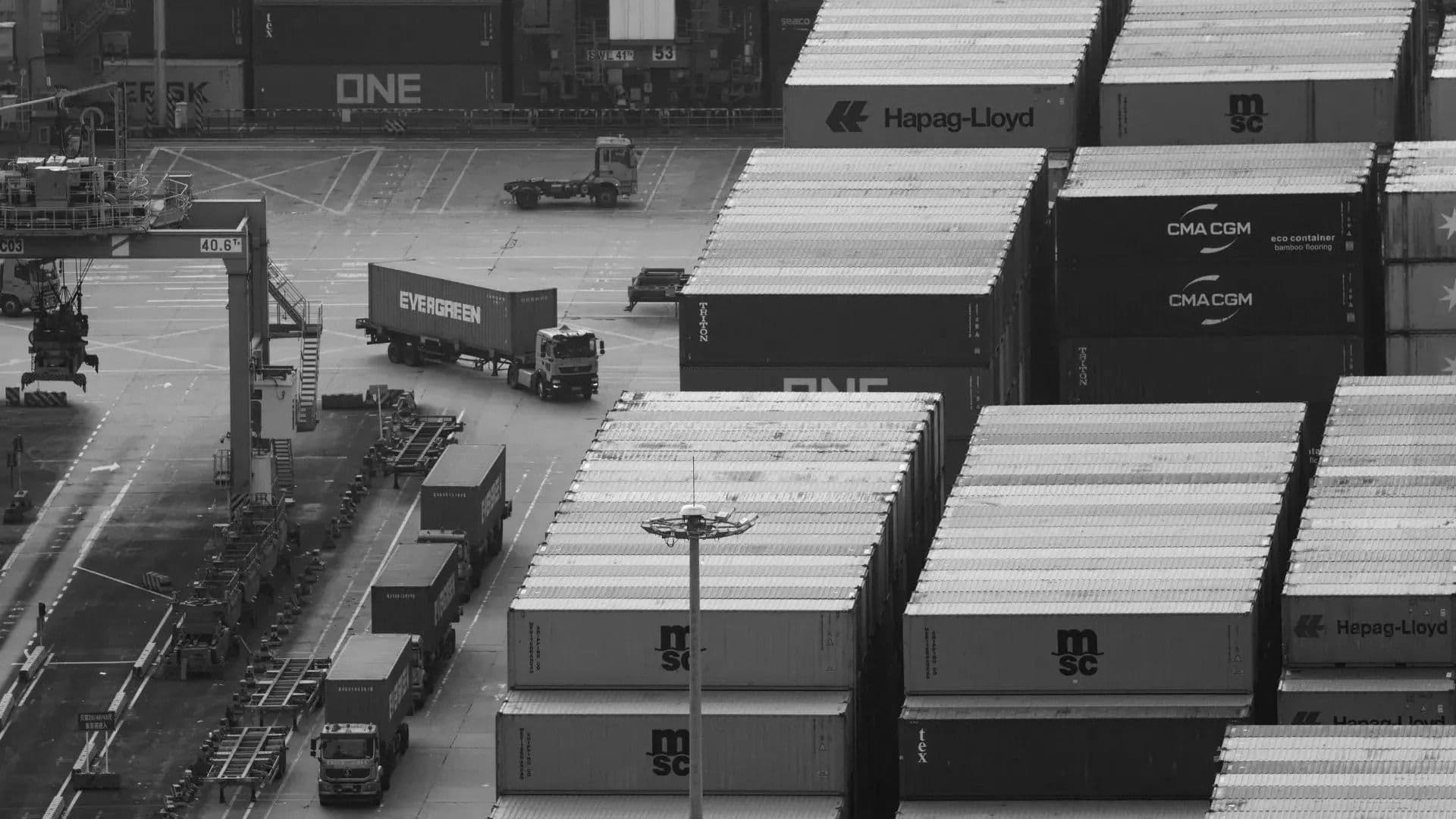
Reaching the $6.3 trillion mark, China’s trade statistics have become a focal point of analysis for economists and policymakers alike. In 2025, China’s trade landscape has shown extraordinary resilience despite global uncertainties, demonstrating a pivot towards more high-value activities and a transformation in how goods are produced and transported.
Ready to work with a sourcing team that's built for real-world results?
From first quote to final delivery, China Sourcing Co helps you simplify sourcing, reduce risks, and scale with confidence.