



Sourcing Wholesale Boho Furniture: The Strategic Guide to Authenticity, Quality, and Profit
 Tag
Tag Date
Date Reading Time
Summary
Wicker is not a material, but the traditional weaving technique used to create finished products from materials like rattan peel, bamboo, or even synthetic vinyls. What is the main difference between rattan and wicker furniture? Is it possible to source ethically-made boho furniture from China?

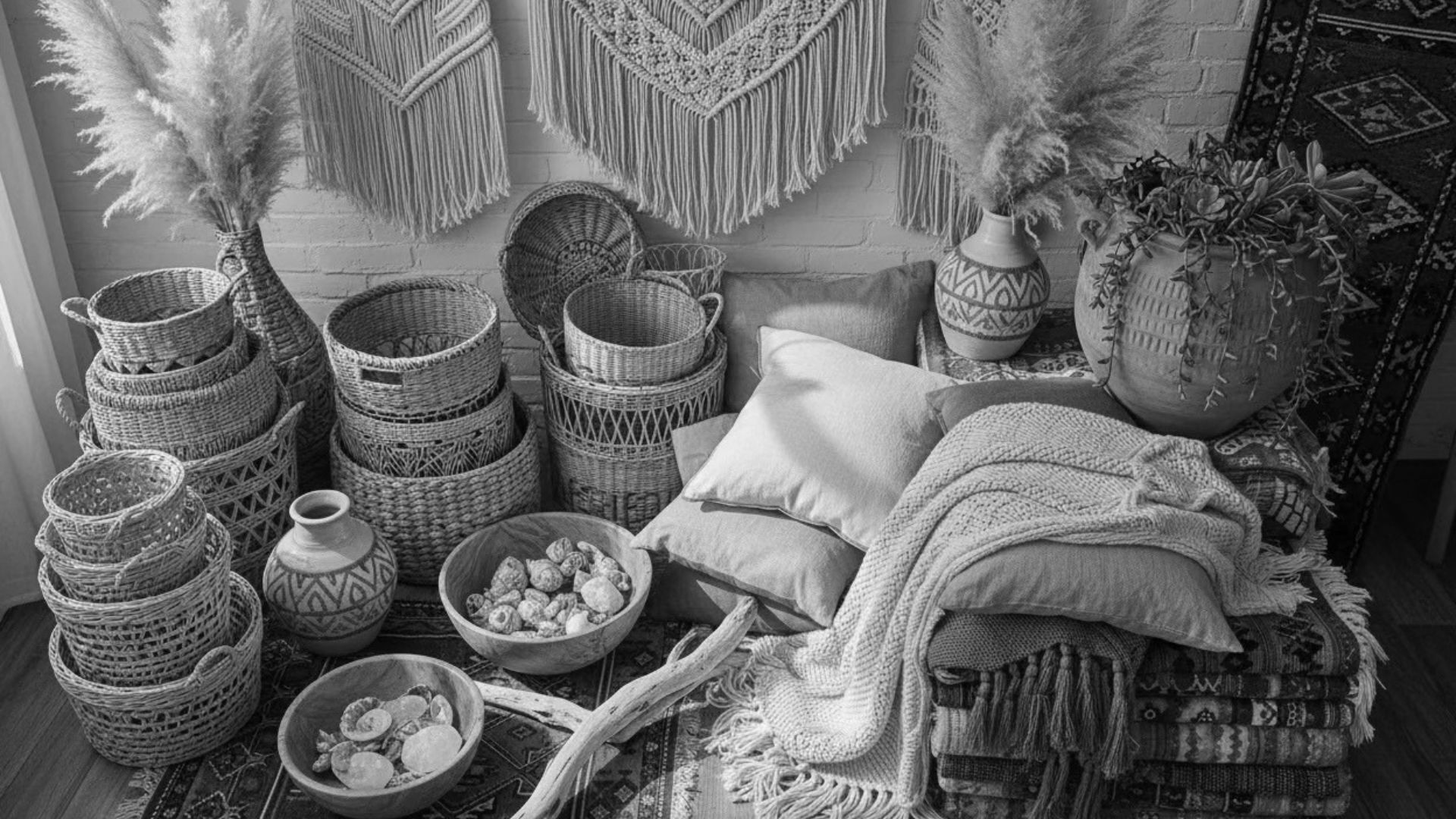
The Soul of Boho: A Deep Dive into Natural Material Science
The Rattan & Wicker Lexicon
- Rattan is the raw material a fast-growing vine-like palm. Its solid core is used for structural frames, while the peel (or skin) is used for wrapping joints and weaving.
- Wicker is not a material, but the traditional weaving technique used to create finished products from materials like rattan peel, bamboo, or even synthetic vinyls.
The Wood of the Wanderer: Teak, Mango, and Acacia
- Teak: Prized for its high oil content and dense grain, making it naturally resistant to rot and pests. It’s the premium choice for items that bridge indoor and outdoor use.
- Mango Wood: Known for its beautiful grain variation and sustainability (as it’s harvested after the tree stops bearing fruit). It’s softer than teak, making it ideal for carved and detailed pieces.
- Acacia: A very durable and water-resistant hardwood, often used for more robust items.
The Textural Layer: Jute, Macrame, and Natural Cottons
The Supplier Vetting Matrix for the Boho Niche
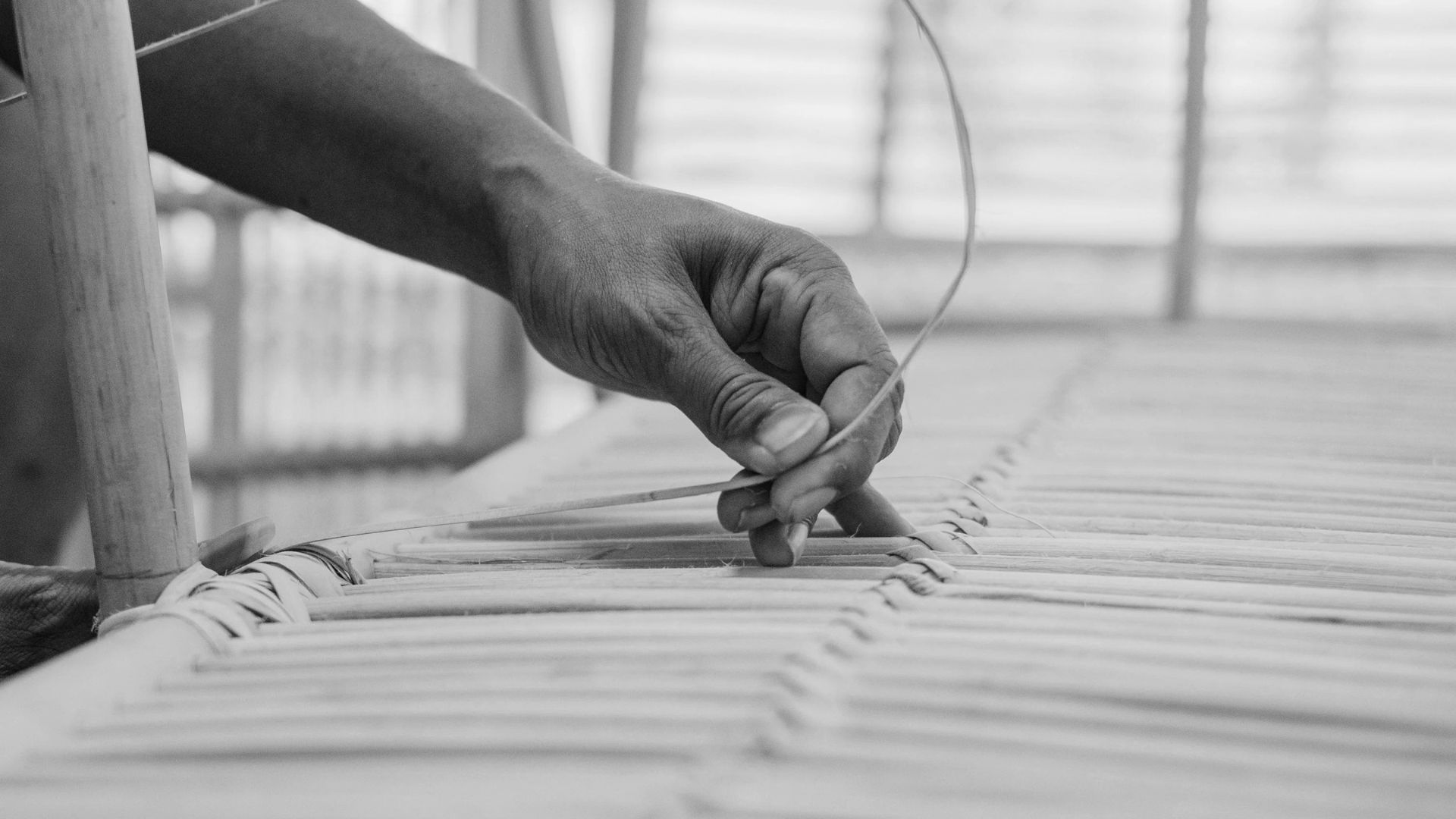
Criterion 1: Deep Specialization in Natural Materials
Criterion 2: Verifiable Craftsmanship & Production Methods
Criterion 3: Ethical & Sustainable Sourcing Credentials
- Wood: Demand to see their FSC (Forest Stewardship Council) Chain of Custody (CoC) certificate. You can verify this independently on the FSC Public Certificate Search.
- Labor: While harder to verify, inquire about their labor practices and if they have undergone any social compliance audits like BSCI (Business Social Compliance Initiative).
Quality Control: Preserving Authenticity at Scale

The “Golden Sample” as a Legal Document
A Specialized QC Checklist for Boho Furniture
- Moisture Content Test: Use a digital moisture meter on a random selection of wood and rattan frames. A reading above 12% is a red flag for potential future warping or cracking.
- Weaving Tension & Finish: Pull firmly on wicker weaves. They should be taut with no movement. Run a hand over the surface; there should be no sharp, protruding ends.
- Symmetry & Form: For items like peacock chairs, measure key dimensions to ensure symmetry. The handcrafted nature allows for minor variations, but the core structure must be consistent.
- Finish & Odor Test: Natural and distressed finishes should be visually consistent with the Golden Sample. There should be no strong chemical or solvent smells, which indicate improper curing of lacquers or finishes.
- Stability Test: Place every item on a perfectly flat surface. There should be no wobble.
Frequently Asked Questions (FAQ)
- What is the main difference between rattan and wicker furniture?
- How do I ensure rattan furniture won’t crack when sold in a dry climate like Arizona or Nevada?
- What are the typical MOQs for custom boho furniture?
- Is it possible to source ethically-made boho furniture from China?
Read More from Our Niche-Specific Sourcing Guides
- Niche Wholesale Furniture: A Sourcing Guide (Office, Outdoor, Cafe)
- Strategic Sourcing for Wholesale Office Furniture: A Step-by-Step Guide
- Top 5 Office Furniture Factories in Foshan [Sourcing Guide]
- Sourcing Outdoor Furniture from China: Quality Secrets Revealed
-Top Outdoor Furniture Trends to Watch [For Wholesale Buyers]
- Sourcing Restaurant Furniture: 7 Expert Tips for Buyers
- Case Study: How We Furnished a Cafe with China Imports
- Wholesale School Furniture: A Guide to Safety & Costing
From Mood Board to Market: Your Sourcing Partner
Please subscribe to see the detail
Enter your email to gain full access to our resources
Get exclusive access from expert insights to streamline your supply chain.
Explore More Relative Resources
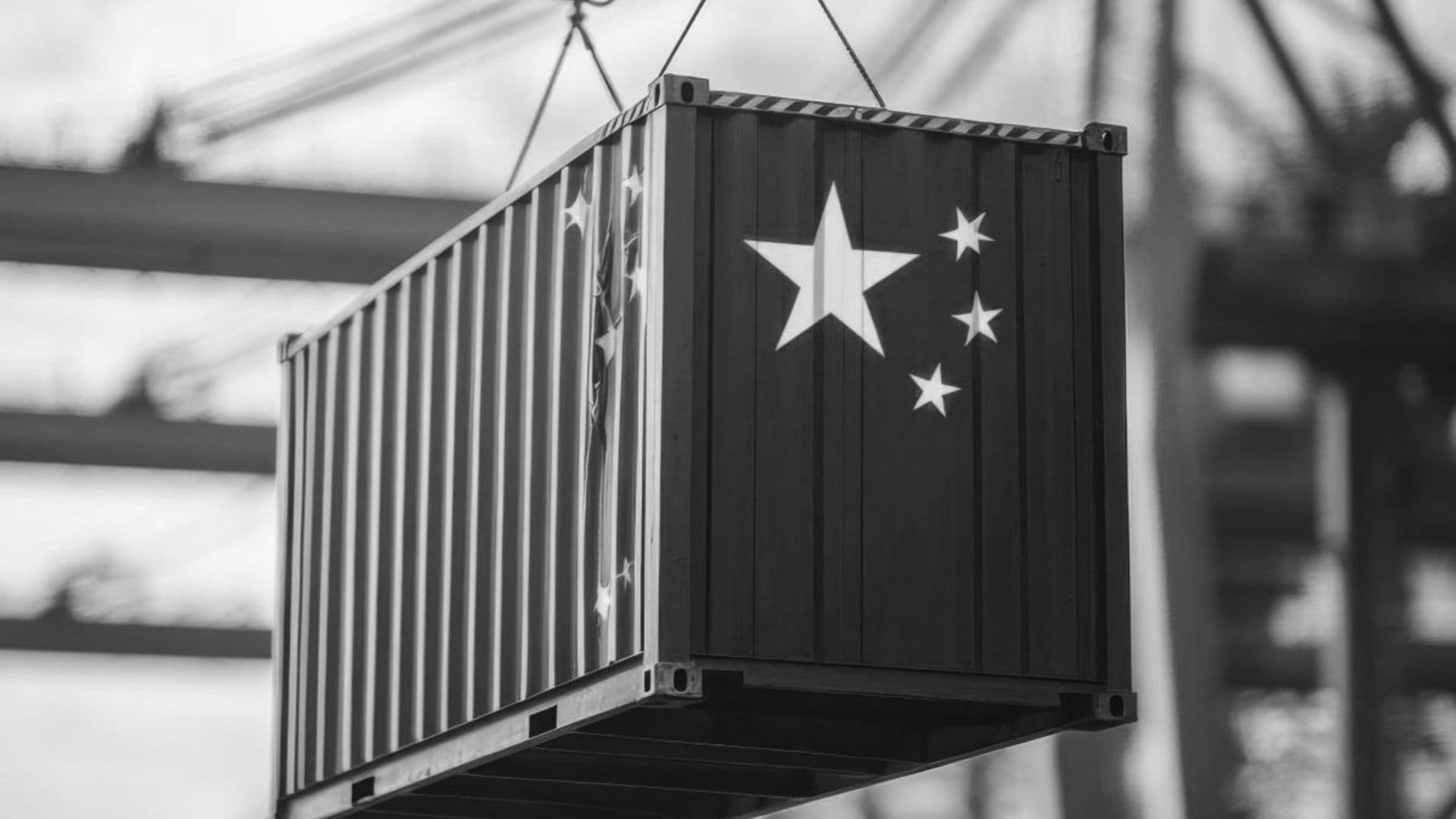
Tech Exports - China's Lifeline for Economic Growth
Tech Exports: The Lifeline Sustaining China's Economic Growth captures a central tension in China’s economy: technology-led shipments are providing momentum even as domestic demand remains hesitant and trade risks intensify. The export boom is both a source of resilience and a test of how Beijing can turn short-term strength into more balanced, durable growth.



Building Agile Supply Chains: Optimizing Global Sourcing for a Resilient Future
In today’s rapidly changing global marketplace, adopting the China Plus One strategy and optimizing global sourcing have gained unprecedented significance for building agile supply chains. Organizations must adapt quickly to shifting dynamics, mitigate overreliance risks, and leverage opportunities beyond traditional sourcing practices. Robust supply networks that can pivot and adapt have emerged as a necessity […]
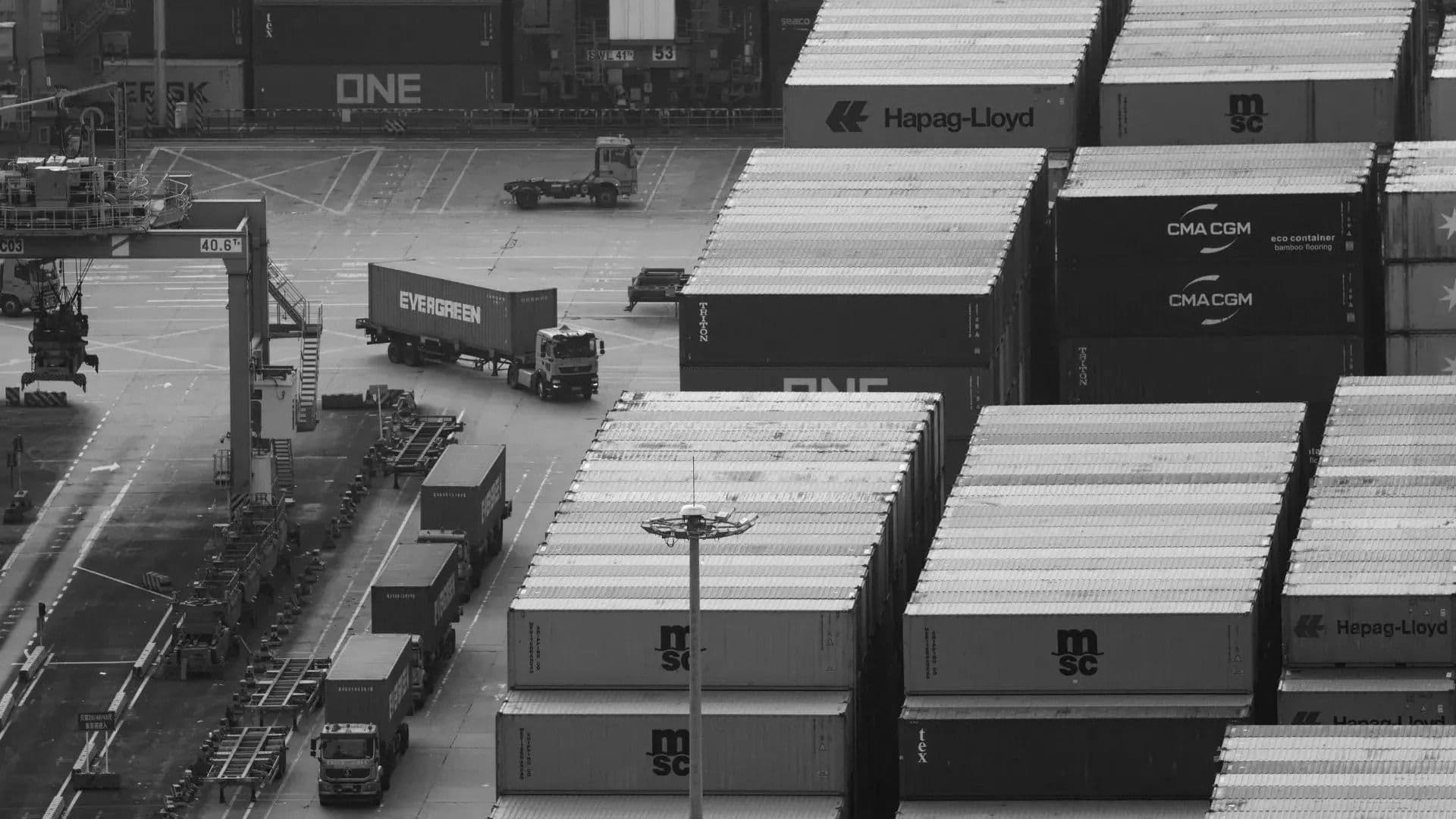
Reaching the $6.3 Trillion Mark: China’s Trade Demonstrates Remarkable Resilience and a Shift Toward High-Value Activities
Reaching the $6.3 trillion mark, China’s trade statistics have become a focal point of analysis for economists and policymakers alike. In 2025, China’s trade landscape has shown extraordinary resilience despite global uncertainties, demonstrating a pivot towards more high-value activities and a transformation in how goods are produced and transported.
Ready to work with a sourcing team that's built for real-world results?
From first quote to final delivery, China Sourcing Co helps you simplify sourcing, reduce risks, and scale with confidence.