



Incoterms for Furniture Imports: A Strategic Guide for Wholesale Furniture Distributors
 Tag
Tag Date
Date Reading Time
Summary
You, the buyer, are responsible for everything else: loading the goods onto the truck, arranging inland transport to the port, handling export customs clearance in China, booking ocean freight, insurance, and all import procedures. It strikes the perfect strategic balance of control and responsibility. A Guide to Quality Control in China - Shipping Furniture from China: Sea Freight vs.
What Are Incoterms? A Strategic Overview
- Transport and Insurance
- Export and Import Clearance
- Loading and Unloading
A Deep Dive into the “Big Three” Incoterms for Furniture
EXW (Ex Works): The Illusion of Ultimate Control
- What it is: Under EXW, the supplier’s only responsibility is to make the goods available at their own premises (the factory). You, the buyer, are responsible for everything else: loading the goods onto the truck, arranging inland transport to the port, handling export customs clearance in China, booking ocean freight, insurance, and all import procedures.
- Strategic Analysis: EXW often presents the lowest initial “unit price” from the factory, which can be seductive. It seems to offer ultimate control. However, for a Western-based distributor, this control is an illusion. It forces you to manage a series of complex, high-risk operations in a foreign country. You are now responsible for navigating Chinese customs, a process fraught with regulatory risk if you lack local expertise. The operational complexity and potential for hidden costs (like unexpected local trucking fees or export licensing issues) are immense. For 99% of large-scale distributors, the operational burden and high risk of EXW far outweigh the perceived benefit of a lower ex-factory price. It is a term best avoided unless you have your own dedicated, expert team on the ground in China.
CIF (Cost, Insurance, and Freight): The Trap of Convenience
- What it is: Under CIF, the supplier is responsible for arranging and paying for the cost of goods, ocean freight, and cargo insurance to get the shipment to your destination port. It sounds simple and convenient: one price for goods delivered to a port near you.
- Strategic Analysis: CIF is a strategic trap. While the supplier pays for the freight, you have zero control over it. The supplier’s incentive is to find the absolute cheapest shipping line, which is often the slowest and least reliable, leading to a high risk of delays (“rolled” containers) that can disrupt your entire inventory forecast. The bigger danger, however, lies in the hidden costs. Because the supplier’s freight forwarder controls the shipment, they can (and often do) charge exorbitant “destination fees” (like terminal handling and document fees) once the container arrives. Since you have no contractual relationship with this forwarder, you have zero leverage to negotiate these inflated charges. You are essentially held hostage. For a professional wholesale furniture distributor, relinquishing control over your primary transport artery is a strategic error that leads to unpredictable costs and a complete lack of supply chain visibility.
FOB (Free On Board): The Strategic Gold Standard
- What it is: Under FOB, the supplier is responsible for all costs and risks associated with getting your goods from their factory, through Chinese customs, and loading “on board” the vessel at the designated port of origin. The moment the goods are safely on the ship, the risk and responsibility transfer to you. You are responsible for booking and paying for ocean freight, insurance, and all import procedures at the destination.
- Strategic Analysis: FOB is the universally recommended Incoterm for professional importers, and for good reason. It strikes the perfect strategic balance of control and responsibility. It leverages the supplier’s expertise where it’s strongest: managing the complex local logistics within China. Simultaneously, it gives you, the buyer, complete control over the most volatile and strategically important part of the journey: international ocean freight.
- Cost Control: You work with your own trusted freight forwarder, leveraging your shipping volume to negotiate competitive, transparent rates. You eliminate the risk of inflated CIF destination fees.
- Operational Control: You choose the shipping line, allowing you to select a carrier based on reliability and transit time, not just the lowest price. This provides predictability for your inventory planning.
- Visibility: You have a direct line of communication with your logistics partner, providing full visibility of your shipment from port to port.
Scenario Analysis: A 20-Container Order
- Under a CIF agreement, the supplier books with an unknown, low-cost carrier. Five of your containers are “rolled” to the next vessel, causing a two-week delay and disrupting your launch plan. When the containers finally arrive, the destination handling charges are 40% higher than market rates, adding an unexpected $8,000 to your landed cost. You have no recourse.
- Under an FOB agreement, your freight forwarder books all 20 containers with a top-tier carrier you have a relationship with. You have a clear, all-inclusive quote for your destination costs. All containers ship on time, and your landed cost comes in exactly as projected. You maintained control, and the result was predictability and profitability.
Frequently Asked Questions (FAQ)
- Where exactly does the risk transfer under FOB and CIF?
- Why would a supplier push for a CIF agreement?
- Does our sourcing partner, like ChinaSourcing.co, help manage our FOB shipments?
Read More from Our Advanced Optimization & Solutions Guides
- China Furniture Logistics: A Complete Guide to QC & Shipping
- What is Furniture QC? A Guide to Quality Control in China
- Shipping Furniture from China: Sea Freight vs. Trucking
- China Sourcing Agent vs. DIY: Which is Better for Furniture?
- How to Become a Furniture Distributor for Chinese Brandsmà da
From Rulebook to Strategic Weapon
Please subscribe to see the detail
Enter your email to gain full access to our resources
Get exclusive access from expert insights to streamline your supply chain.
Explore More Relative Resources
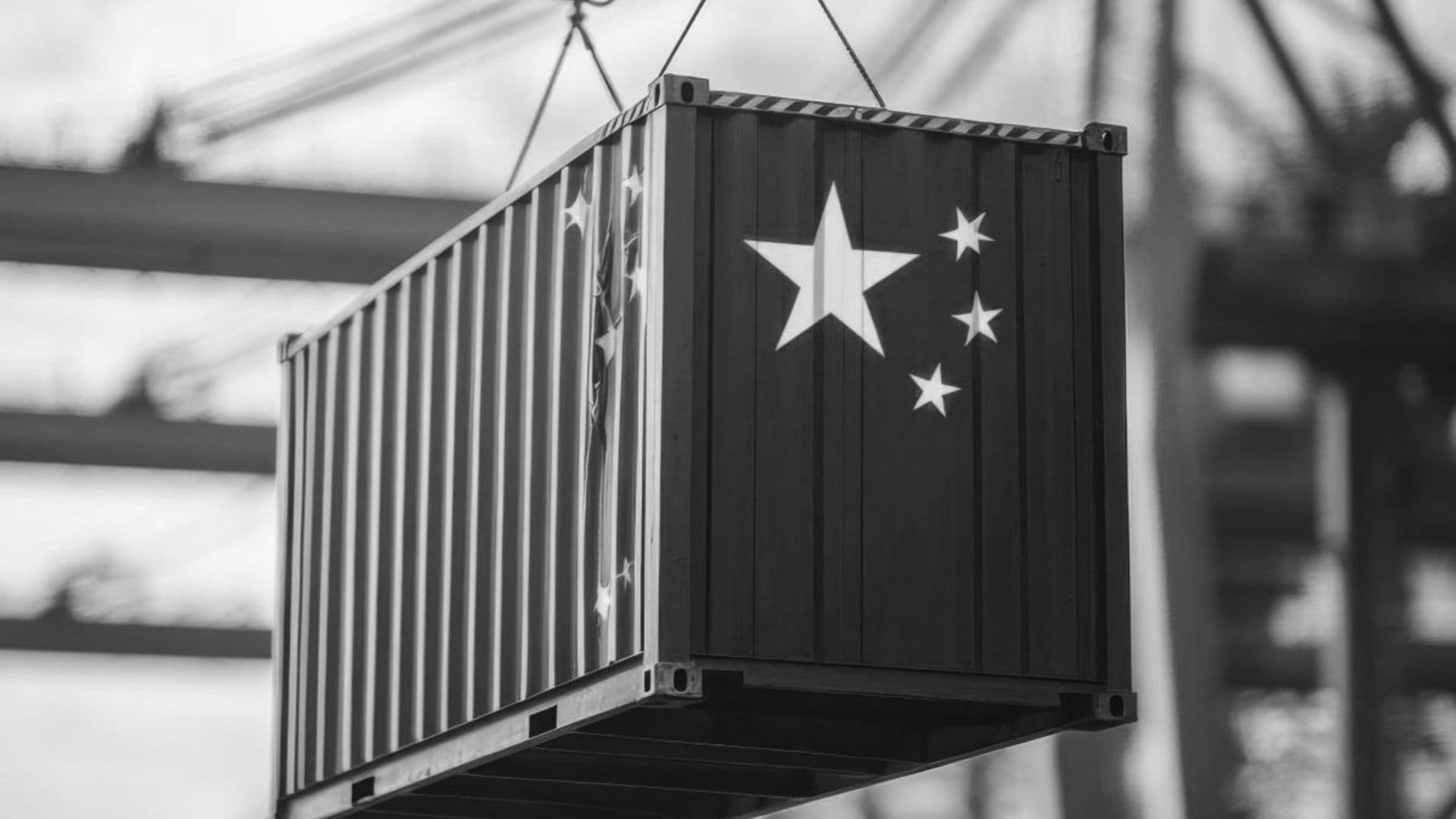
Tech Exports - China's Lifeline for Economic Growth
Tech Exports: The Lifeline Sustaining China's Economic Growth captures a central tension in China’s economy: technology-led shipments are providing momentum even as domestic demand remains hesitant and trade risks intensify. The export boom is both a source of resilience and a test of how Beijing can turn short-term strength into more balanced, durable growth.



Building Agile Supply Chains: Optimizing Global Sourcing for a Resilient Future
In today’s rapidly changing global marketplace, adopting the China Plus One strategy and optimizing global sourcing have gained unprecedented significance for building agile supply chains. Organizations must adapt quickly to shifting dynamics, mitigate overreliance risks, and leverage opportunities beyond traditional sourcing practices. Robust supply networks that can pivot and adapt have emerged as a necessity […]
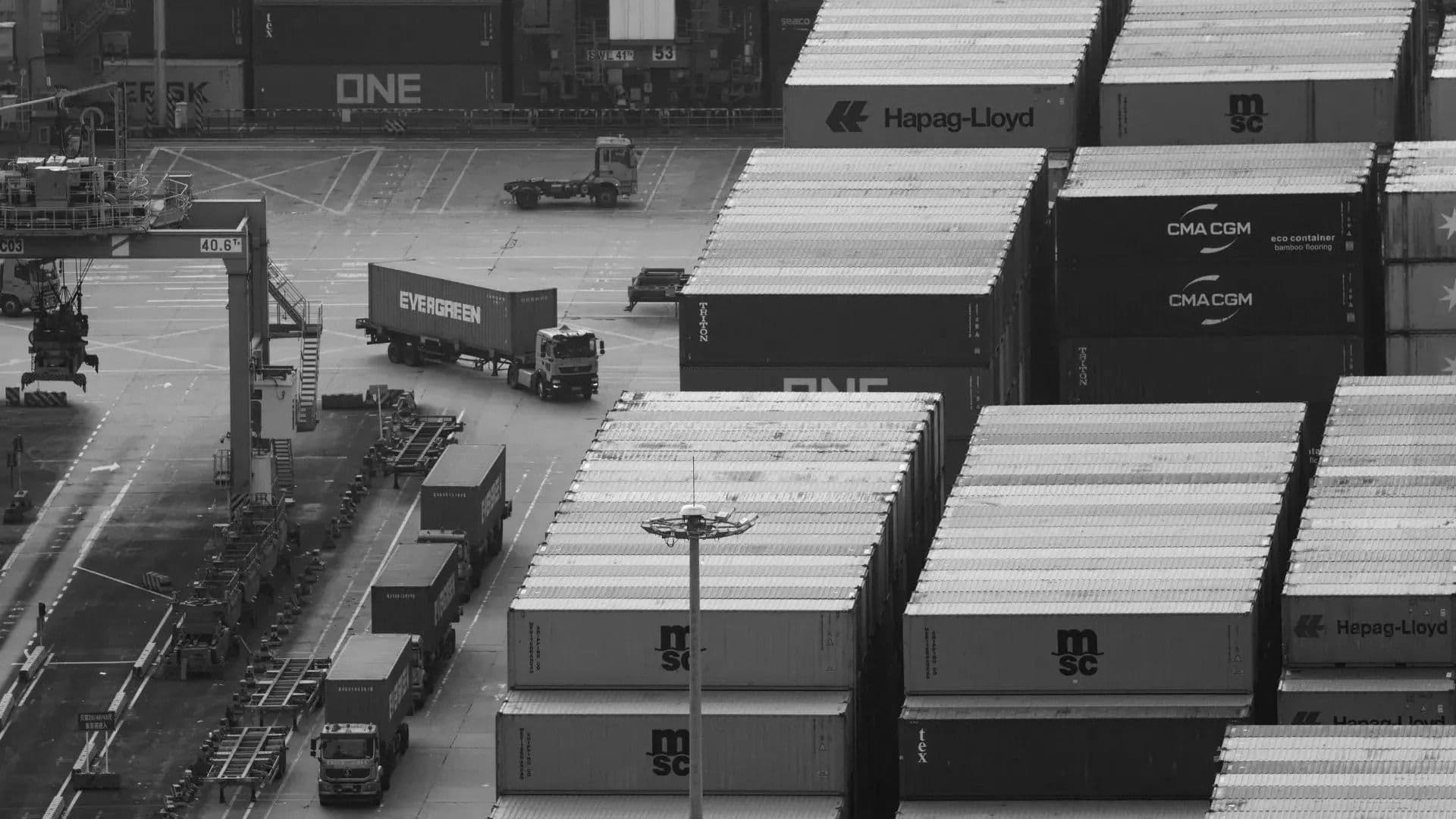
Reaching the $6.3 Trillion Mark: China’s Trade Demonstrates Remarkable Resilience and a Shift Toward High-Value Activities
Reaching the $6.3 trillion mark, China’s trade statistics have become a focal point of analysis for economists and policymakers alike. In 2025, China’s trade landscape has shown extraordinary resilience despite global uncertainties, demonstrating a pivot towards more high-value activities and a transformation in how goods are produced and transported.
Ready to work with a sourcing team that's built for real-world results?
From first quote to final delivery, China Sourcing Co helps you simplify sourcing, reduce risks, and scale with confidence.