



China's March PMI Reaches 50.4 Amid Middle East Conflict Pressures
 Tag
Tag Date
Date Reading Time
Summary
China’s factory activity experienced its highest growth in a year during March, buoyed by stronger demand, as revealed by an official survey on Tuesday. China’s exports of goods continued to drive growth in January and February, following last year’s record trade surplus of $1.2 trillion, sustained by strong global demand for electronics, especially semiconductors.
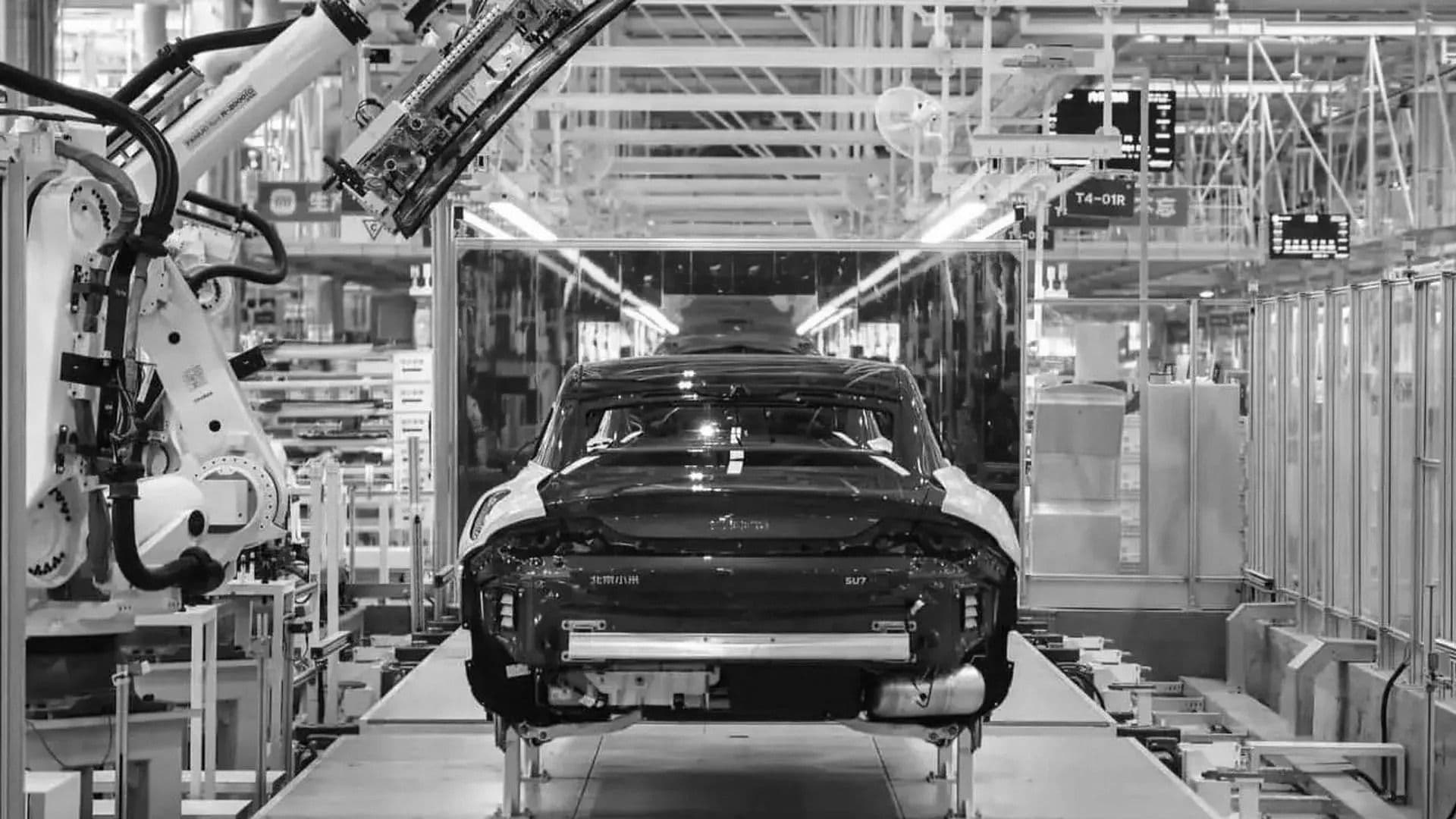
Stronger Demand Drives China’s Manufacturing PMI to 50.4
China’s factory activity experienced its highest growth in a year during March, buoyed by stronger demand, as revealed by an official survey on Tuesday. This development provides some relief to an economy facing challenges from global supply chain issues and fluctuations in energy markets. While the improved figures alleviate some pressure on policymakers, concerns remain about us their sustainability due to rising energy costs linked to the conflict in the Middle East and new risks to growth that could hinder manufacturers who depend on exports and operate with narrow profit margins
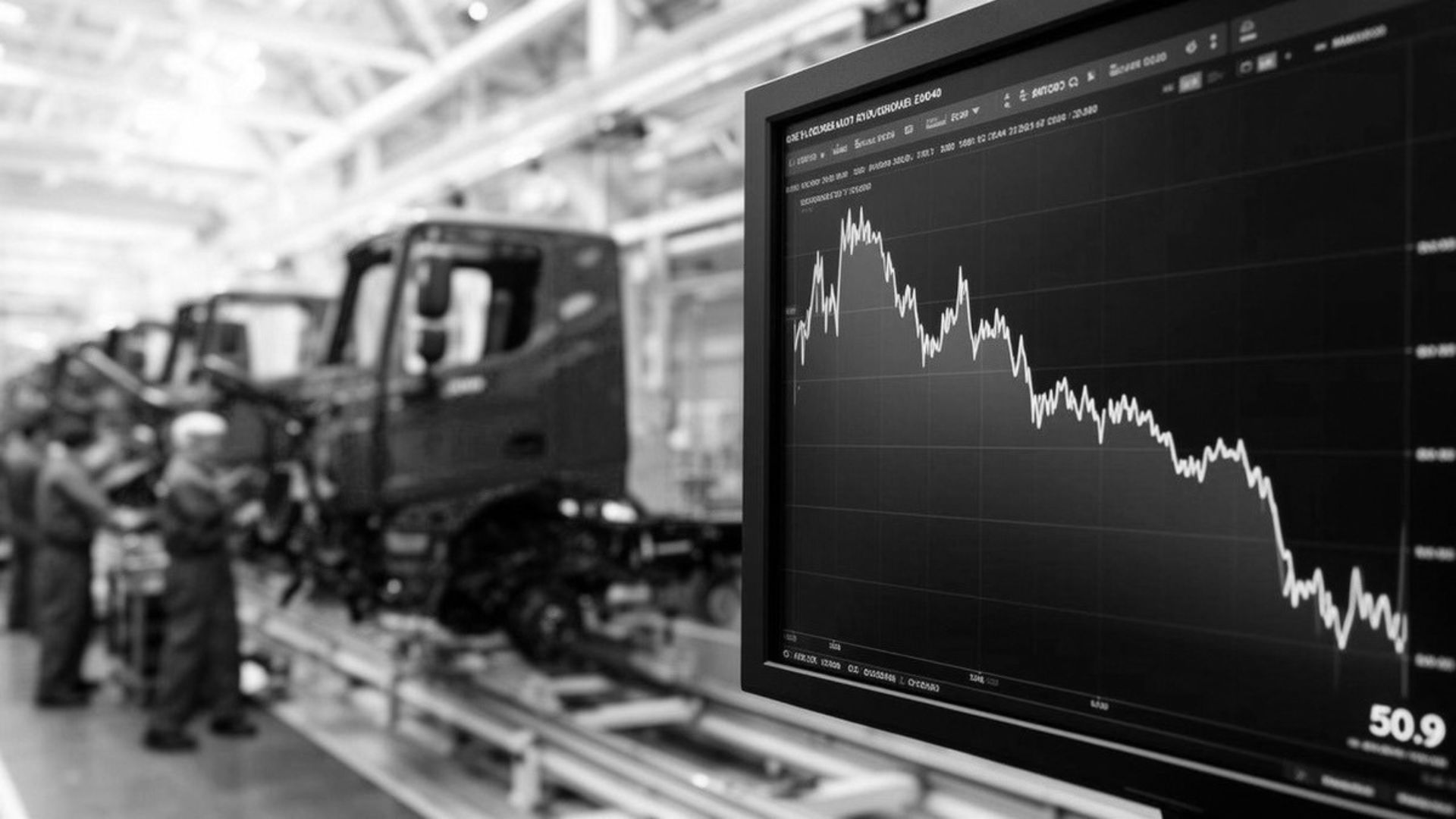
Export Momentum and Surging Input Costs
According to data from the National Bureau of Statistics (NBS), the official manufacturing purchasing managers’ index (PMI) increased to 50.4 in March from 49.0 in February, surpassing the 50-mark and reaching its highest level in a year, which was better than the analysts’ projected 50.1 in a Reuters poll. The manufacturing PMI had been in contraction for most of 2025 and the initial months of 2026. China’s exports of goods continued to drive growth in January and February, following last year’s record trade surplus of $1.2 trillion, sustained by strong global demand for electronics, especially semiconductors. The commerce ministry indicated last week that this positive trend could continue despite ongoing geopolitical tensions.
However, increasing concerns about the Middle East conflict are troubling policymakers. Signs of stress were visible in the latest survey, as the sub-index for the purchase prices of key raw materials surged to 63.9 in March from 54.8 in February, propelled by rising commodity prices and quicker procurement by companies, according to the NBS. Output prices also increased but at a slower rate, indicating limited pricing power for businesses.
>> See more: The 2026 consumer goods pivot: Why your China strategy needs an upgrade
Economic Outlook, Rate Expectations, and Geopolitical Headwinds
Rising input costs may also pressure wages and job security, which could further exacerbate the already weak domestic demand. China’s economic performance exceeded expectations in the first two months, partly due to government support. According to the NBS survey, the non-manufacturing PMI, which encompasses services and construction, rose to 50.1 from February’s 49.5.
The PMI survey from Tuesday indicates that China’s GDP growth in the first quarter is likely to surpass 4.5%, which is the minimum of Beijing’s 4.5%-5.0% target for this year, according to analysts at ANZ. ANZ now predicts that rate cuts will not occur in 2026 or 2027, as growth remains within the official target, and suggests that policymakers will likely focus on structural measures to mitigate the effects of the oil crisis. China’s leadership has consistently pledged to pivot the growth engine towards domestic consumption to lessen dependence on external demand. However, achieving these rebalancing reforms will require time, and as the effects of the conflict worsen, businesses may experience intensified challenges in the short term.
Dan Wang, director for China at Eurasia Group, commented that in times of global uncertainty, the dependence on China’s industrial supply chain increases, similar to the scenario at the onset of the pandemic. Nevertheless, he cautioned that exports and PMI could face challenges in the latter half of the year, as issues in Iran might trigger a recession in significant economies, particularly the EU, which is crucial for China’s trad.
As global manufacturers navigate volatile energy prices and supply chain bottlenecks, partnering with an experienced partner like China Sourcing (chinasourcing.co) ensures rigorous quality control, stable procurement networks, and reliable freight optimization amid ongoing market uncertainties.
Please subscribe to see the detail
Enter your email to gain full access to our resources
Get exclusive access from expert insights to streamline your supply chain.
Explore More Relative Resources
Tech Exports - China's Lifeline for Economic Growth
Tech Exports: The Lifeline Sustaining China's Economic Growth captures a central tension in China’s economy: technology-led shipments are providing momentum even as domestic demand remains hesitant and trade risks intensify. The export boom is both a source of resilience and a test of how Beijing can turn short-term strength into more balanced, durable growth.



Building Agile Supply Chains: Optimizing Global Sourcing for a Resilient Future
In today’s rapidly changing global marketplace, adopting the China Plus One strategy and optimizing global sourcing have gained unprecedented significance for building agile supply chains. Organizations must adapt quickly to shifting dynamics, mitigate overreliance risks, and leverage opportunities beyond traditional sourcing practices. Robust supply networks that can pivot and adapt have emerged as a necessity […]
Reaching the $6.3 Trillion Mark: China’s Trade Demonstrates Remarkable Resilience and a Shift Toward High-Value Activities
Reaching the $6.3 trillion mark, China’s trade statistics have become a focal point of analysis for economists and policymakers alike. In 2025, China’s trade landscape has shown extraordinary resilience despite global uncertainties, demonstrating a pivot towards more high-value activities and a transformation in how goods are produced and transported.
Ready to work with a sourcing team that's built for real-world results?
From first quote to final delivery, China Sourcing Co helps you simplify sourcing, reduce risks, and scale with confidence.