



China Wholesale Furniture Shipping: A Strategic Analysis of Sea Freight vs Truck
 Tag
Tag Date
Date Reading Time
Summary
The primary modes for moving goods out of China ocean-going sea freight and cross-border trucking offer fundamentally different value propositions. This guide provides a strategic, data-driven analysis of the sea freight vs. truck debate, while also introducing the increasingly viable third option: rail freight. Is air freight ever a viable option for wholesale furniture?
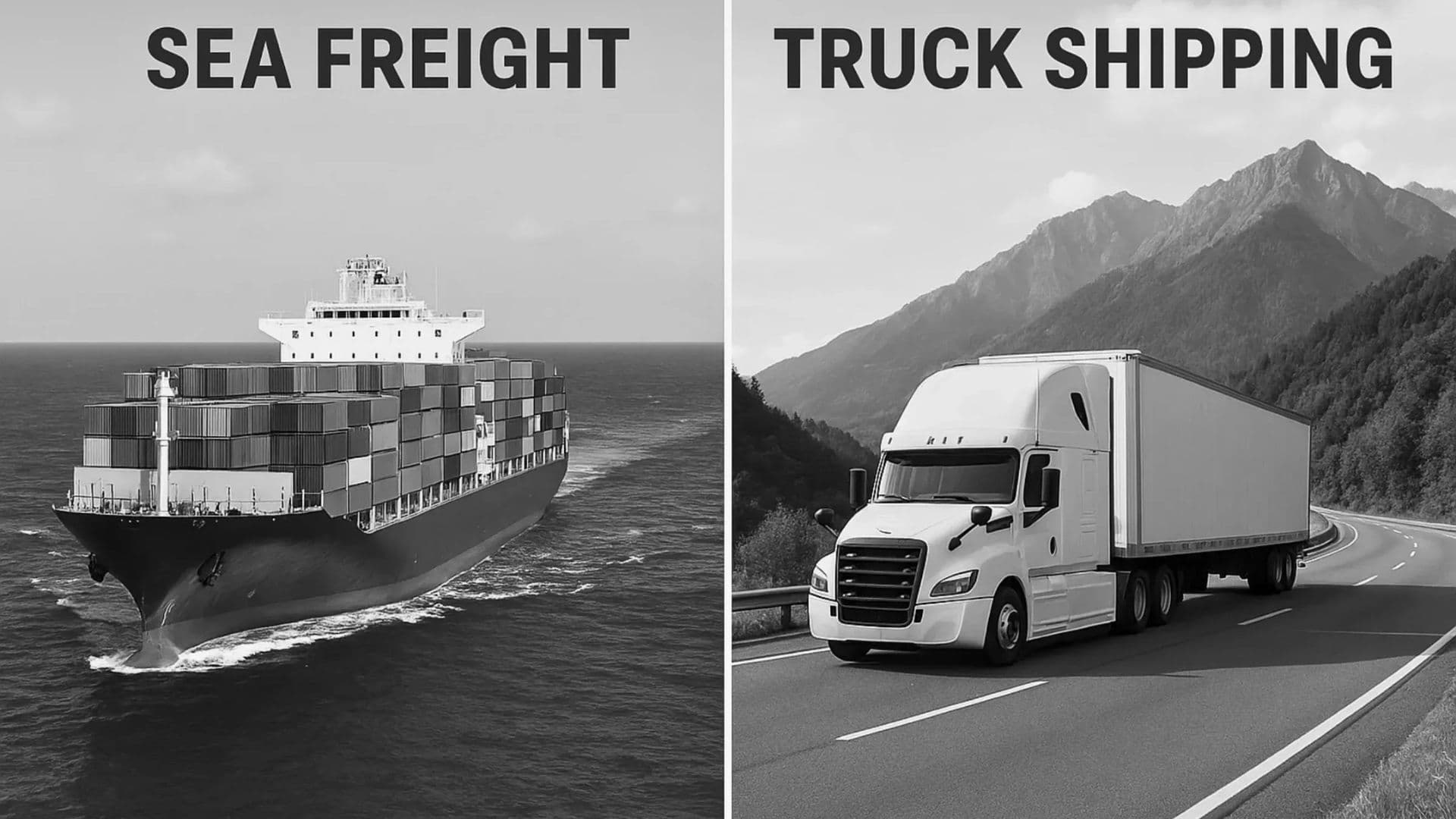
For leaders managing a wholesale furniture supply chain, the selection of a shipping method is one of the most critical decisions impacting landed cost, lead time, and operational risk. It is not merely an operational task to be delegated, but a strategic choice with profound financial consequences. The primary modes for moving goods out of China ocean-going sea freight and cross-border trucking offer fundamentally different value propositions. Choosing the wrong one can lead to project-killing delays or an erosion of profit margins, while the right choice can create a significant competitive advantage.
This guide provides a strategic, data-driven analysis of the sea freight vs. truck debate, while also introducing the increasingly viable third option: rail freight. We will move beyond a surface-level comparison to dissect the financial, logistical, and risk-related implications of each mode. The objective is to provide a clear decision-making framework, enabling you to architect a shipping strategy that is perfectly aligned with your business’s specific needs, whether they are cost optimization for a large U.S. distributor or speed-to-market for a hotel project in Southeast Asia.
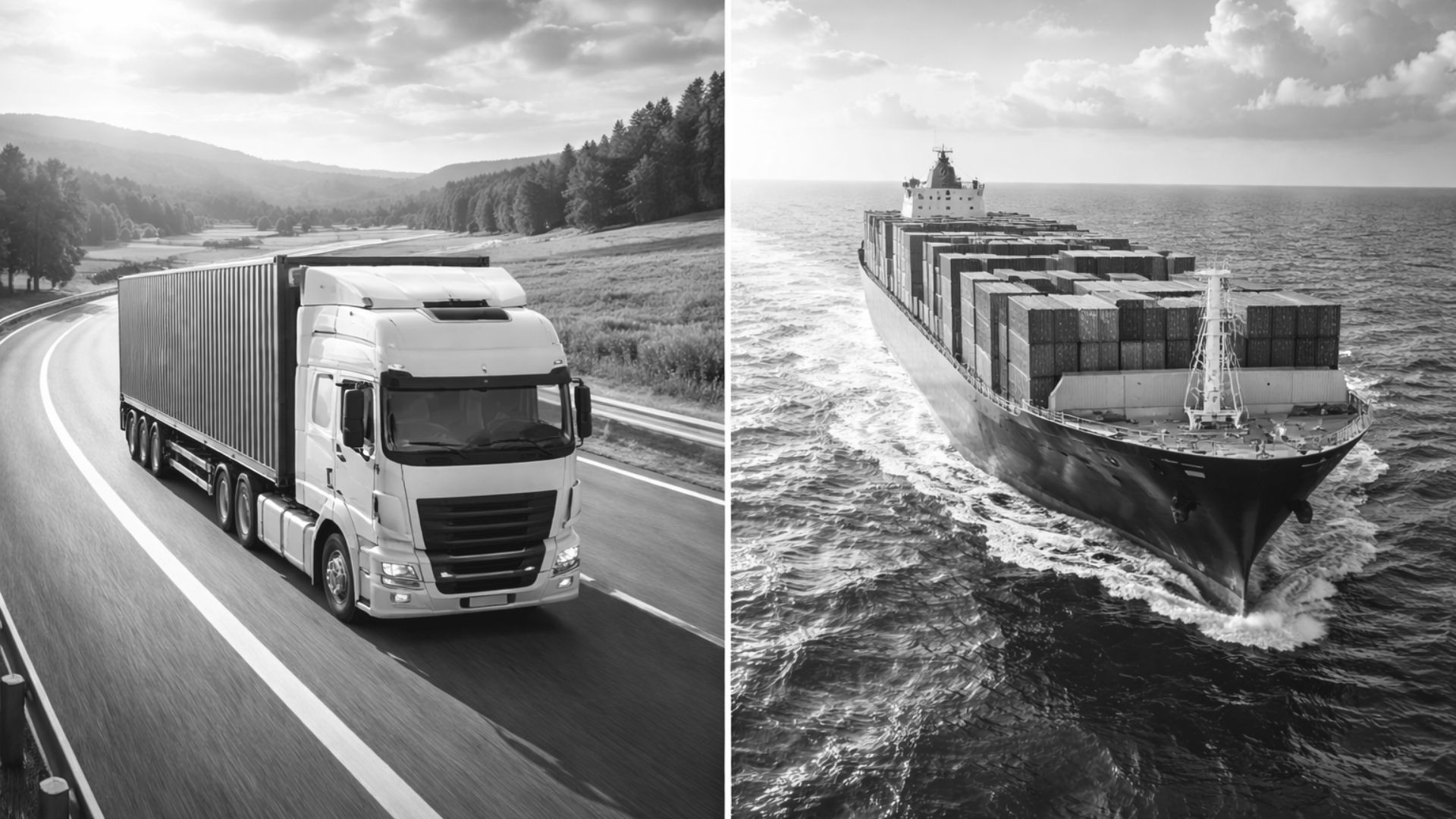

A Deep Dive into Sea Freight: The Global Standard for Wholesale Furniture Scale
- FCL (Full Container Load): You lease an entire container (typically 40ft or 40ft High Cube). This is the gold standard for security and cost-efficiency for any shipment over approximately 15 cubic meters (CBM). Your goods are loaded and sealed at the factory, reducing handling and damage risk.
- LCL (Less than Container Load): Your goods are consolidated with others in a shared container. While flexible for small volumes, it involves more handling at consolidation warehouses, which increases the risk of damage and delays.
The Strategic Advantages of Sea Freight
The Inherent Risks and Disadvantages
A Deep Dive into Cross-Border Trucking: The Regional Power Play
The Strategic Advantages of Cross-Border Trucking
The Inherent Risks and Disadvantages
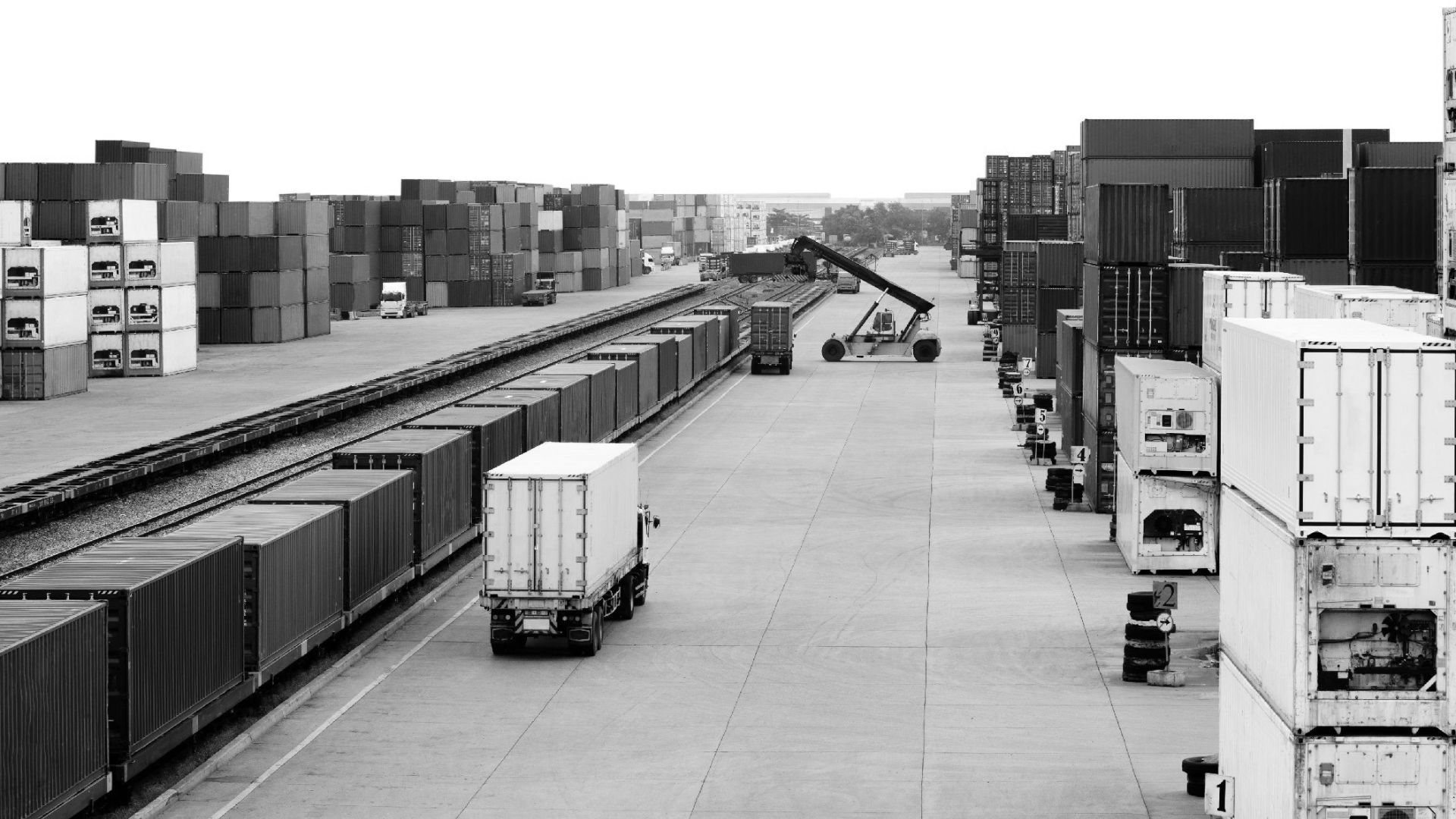
The Third Way: The Rise of Rail Freight
The Strategic Decision: A Data-Driven Comparison
Scenario Analysis
- Scenario A: A large U.S. retailer ordering 10 containers of patio furniture.
- Optimal Choice: Sea Freight (FCL).
- Rationale: The distance and volume make the cost-efficiency of FCL the only logical choice.
- Scenario B: A hotel developer in Vientiane, Laos, needing custom banquettes in 3 weeks.
- Optimal Choice: Cross-Border Trucking.
- Rationale: Speed is the absolute priority, making the higher cost a justifiable expense to meet the deadline.
- Scenario C: A European e-commerce brand needing to replenish a best-selling line of office chairs faster than the sea freight lead time allows.
- Optimal Choice: Rail Freight.
- Rationale: Rail offers a balanced solution, getting the product to the EU market in half the time of sea freight at a manageable cost, protecting sales that would otherwise be lost while waiting for a sea shipment.
Frequently Asked Questions (FAQ)
- Is air freight ever a viable option for wholesale furniture?
- How does my choice of Incoterm (e.g., FOB, EXW) affect this decision?
- Do I need different insurance for different shipping modes?
Read More from Our Advanced Optimization & Solutions Guides
- China Furniture Logistics: A Complete Guide to QC & Shipping
- What is Furniture QC? A Guide to Quality Control in China
- China Sourcing Agent vs. DIY: Which is Better for Furniture?
- How to Become a Furniture Distributor for Chinese Brands
- Incoterms for Furniture Imports Explained [Simple Guide]
Architecting Your Optimal Shipping Strategy
Please subscribe to see the detail
Enter your email to gain full access to our resources
Get exclusive access from expert insights to streamline your supply chain.
Explore More Relative Resources
Tech Exports - China's Lifeline for Economic Growth
Tech Exports: The Lifeline Sustaining China's Economic Growth captures a central tension in China’s economy: technology-led shipments are providing momentum even as domestic demand remains hesitant and trade risks intensify. The export boom is both a source of resilience and a test of how Beijing can turn short-term strength into more balanced, durable growth.



Building Agile Supply Chains: Optimizing Global Sourcing for a Resilient Future
In today’s rapidly changing global marketplace, adopting the China Plus One strategy and optimizing global sourcing have gained unprecedented significance for building agile supply chains. Organizations must adapt quickly to shifting dynamics, mitigate overreliance risks, and leverage opportunities beyond traditional sourcing practices. Robust supply networks that can pivot and adapt have emerged as a necessity […]
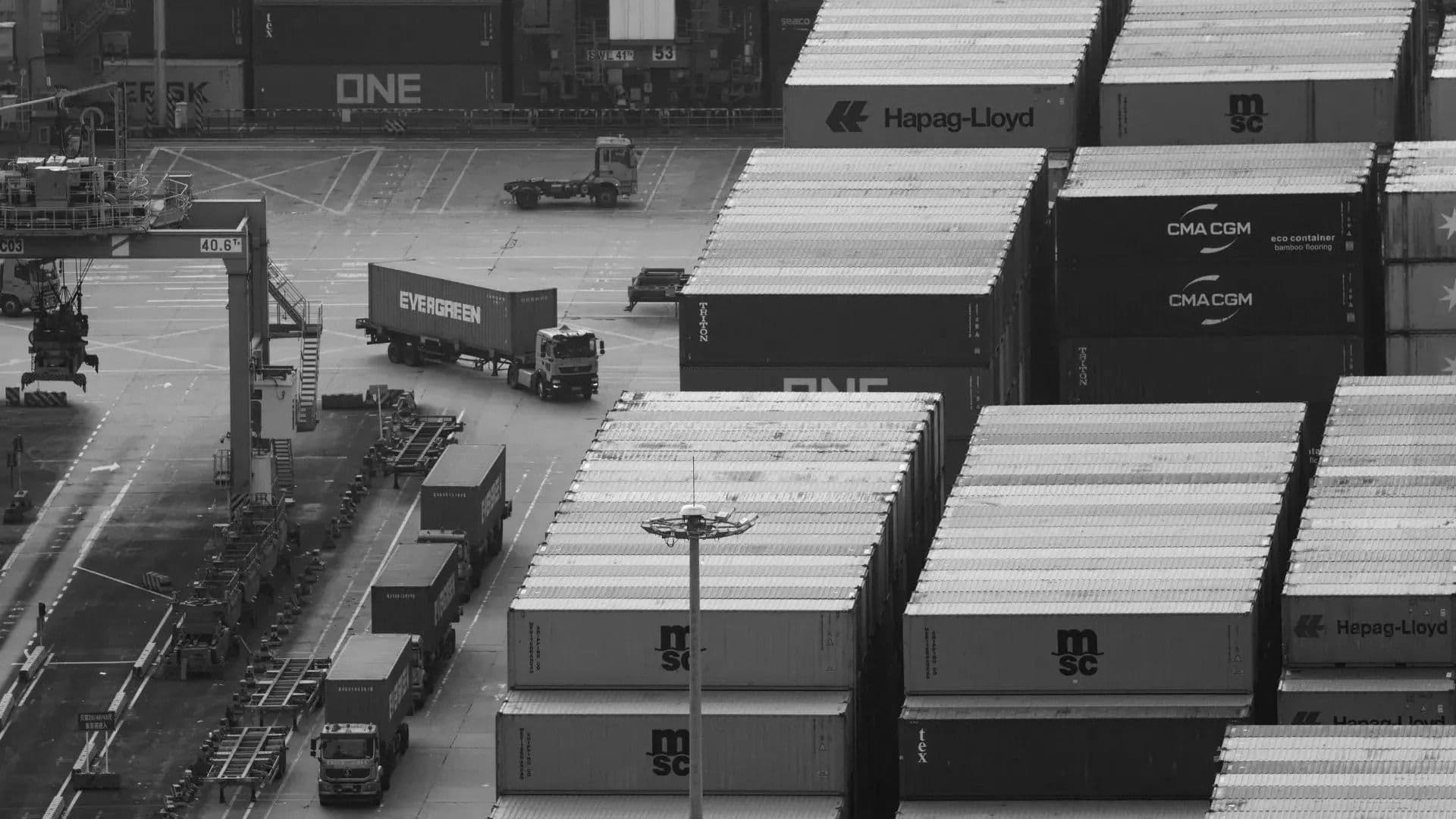
Reaching the $6.3 Trillion Mark: China’s Trade Demonstrates Remarkable Resilience and a Shift Toward High-Value Activities
Reaching the $6.3 trillion mark, China’s trade statistics have become a focal point of analysis for economists and policymakers alike. In 2025, China’s trade landscape has shown extraordinary resilience despite global uncertainties, demonstrating a pivot towards more high-value activities and a transformation in how goods are produced and transported.
Ready to work with a sourcing team that's built for real-world results?
From first quote to final delivery, China Sourcing Co helps you simplify sourcing, reduce risks, and scale with confidence.