



China Factory Audit: A Complete Guide for Vetting Furniture Suppliers
 Tag
Tag Date
Date Reading Time
Summary
A strong QMS is the clearest indicator of a mature, professional operation during China factory audit . Incoming Quality Control (IQC): How does the factory check raw materials? Strategic Importance: A failed social compliance section in a China factory audit is a major red flag.

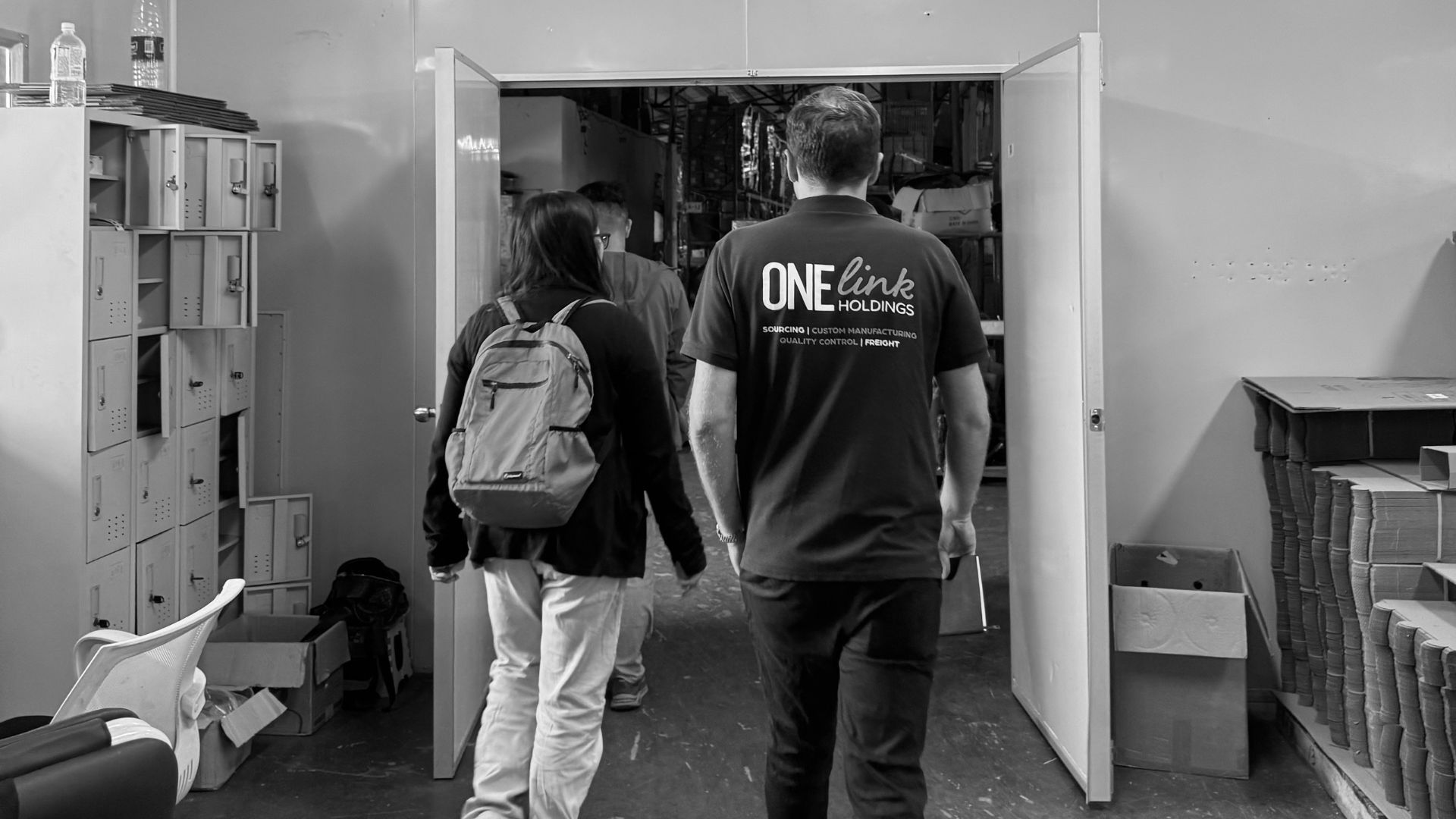

The Strategic Imperative: Why a China Factory Audit is Non-Negotiable
- Capability: Does this factory have the technical expertise, equipment, and quality systems to produce our products consistently and at scale?
- Compliance: Do this factory’s labor practices and environmental standards align with our brand’s values and the legal requirements of our target markets?
- Viability: Is this factory a stable, financially sound business that we can rely on for a long-term partnership?
The Three Pillars of a Comprehensive Furniture Supplier Audit
Pillar 1: The Technical & Quality Systems Audit
- Quality Management System (QMS): The auditor will verify if the factory has a documented QMS, ideally with an ISO 9001 certification. They will review the quality manual, records of internal audits, and how non-conforming materials are handled. A strong QMS is the clearest indicator of a mature, professional operation during China factory audit.
- Incoming Quality Control (IQC): How does the factory check raw materials? The auditor will look for a dedicated IQC team, documented standards for raw materials (e.g., moisture content for wood, thickness for steel), and records of rejected materials.
- In-Process Quality Control (IPQC): Are there quality checkpoints on the assembly line? The auditor will observe operators, check for work instructions at each station, and verify that quality checks are being performed and recorded during production.
- Equipment & Calibration: The auditor will assess the condition and suitability of the machinery. Are key pieces of equipment (like CNC machines or powder-coating lines) well-maintained? Are measurement tools (like calipers and gauges) regularly calibrated?
- R&D and Engineering Capability: For OEM/ODM partners, the auditor will assess the capabilities of the engineering team. Do they use modern CAD software? Do they have a clear process for new product development and prototyping?
Pillar 2: The Social Compliance Audit
- What it is: An audit based on internationally recognized standards like BSCI (Business Social Compliance Initiative) or Sedex (Supplier Ethical Data Exchange).
- What’s Checked: The auditor will conduct a thorough review of:
- Labor Practices: Checking for any signs of child labor or forced labor.
- Working Hours & Wages: Reviewing timecards and payroll records to ensure compliance with local labor laws regarding working hours, overtime, and minimum wage.
- Health & Safety: A physical inspection of the factory to check for adequate safety equipment (e.g., fire extinguishers, emergency exits), proper machine guards, use of personal protective equipment (PPE), and safe handling of chemicals.
- Discrimination & Discipline: Reviewing HR policies and conducting confidential worker interviews.
- Strategic Importance: A failed social compliance section in a China factory audit is a major red flag. Partnering with a non-compliant factory can lead to being blacklisted by major retailers and can cause irreversible damage to your brand’s public image.
Pillar 3: The Business Health & Viability Audit
- Business License & Export History: The auditor will verify the factory’s official business license to confirm their legal name, registered address, and scope of business. They will also review export records to verify their experience in shipping to your target market.
- Ownership Structure & Financial Stability: While a full financial audit is rare, an experienced auditor can assess the factory’s stability by observing the scale of their operation, the condition of their facilities, and their investment in new equipment.
- Supplier & Sub-contractor Management: The auditor will investigate how the factory manages its own supply chain. Do they have a clear process for vetting their raw material suppliers? This is crucial for ensuring consistency and traceability.
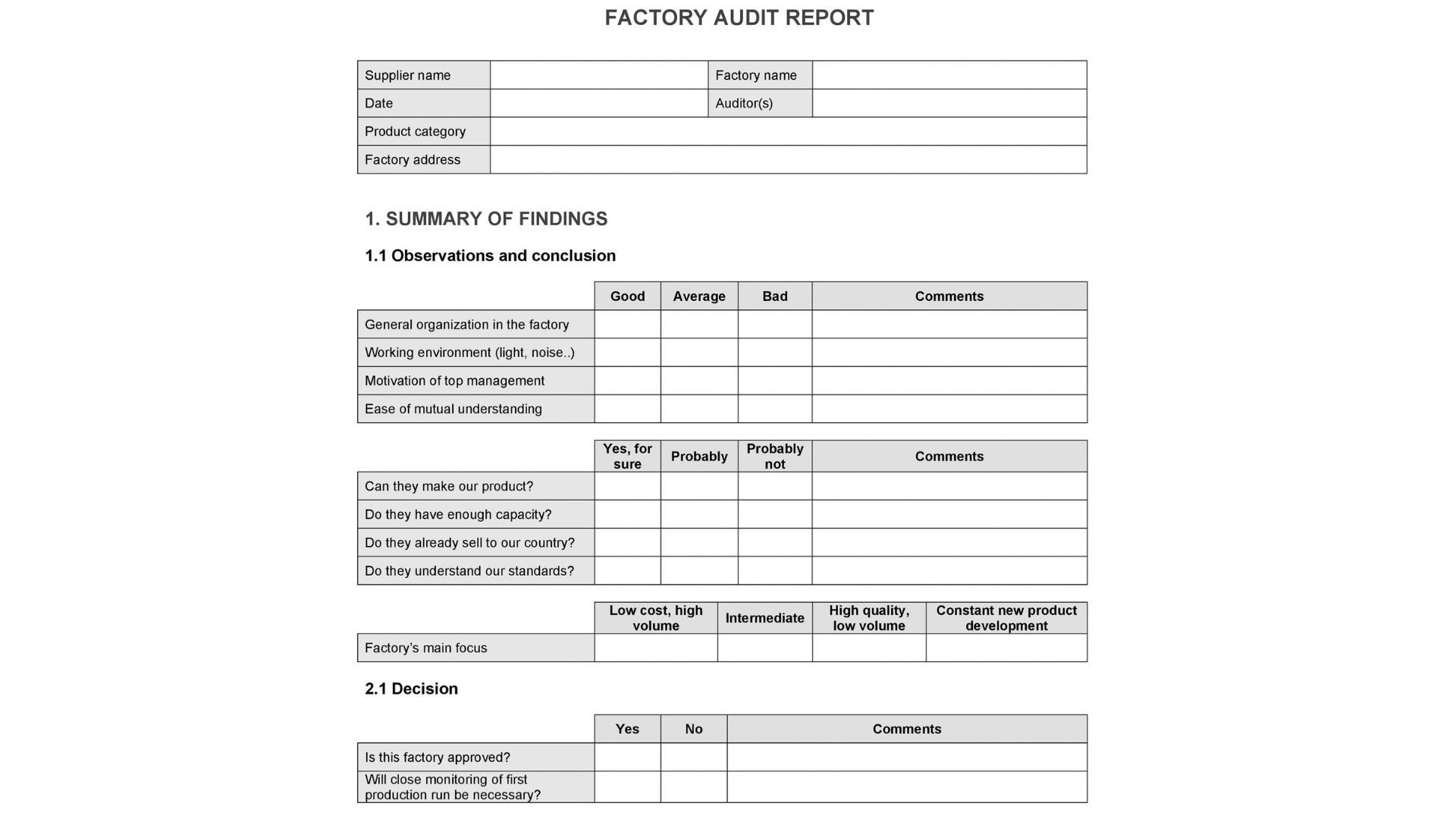
Interpreting the Audit Report: From Data to Decision
Frequently Asked Questions (FAQ)
- What is the difference between a factory audit and a QC inspection?
- How much does a professional factory audit cost?
- What are the biggest “red flags” during a furniture supplier audit?
- Inconsistent answers or a refusal to show certain documents or areas of the factory.
- Evidence of child labor or unsafe working conditions (a critical failure).
- A complete lack of a documented quality management system.
- Claiming to be a factory but having very little machinery, indicating they are likely a trading company or assembly workshop.
Read More from Our In-depth Analysis & Expert Solutions
- The China Furniture Supply Chain: An In-depth Analysis [2025]
- How to Protect Your Furniture Designs in China [IP Guide]
- How to Calculate Landed Cost for Furniture Imports [Advanced]
- Furniture Certifications: A Guide to FSC, CARB P2 & More
-China Furniture Sourcing Beyond Foshan: 3 Hidden Hubs
From Vetting to Partnership: The Foundation of Trust
Let’s discuss your strategic objectives.
Please subscribe to see the detail
Enter your email to gain full access to our resources
Get exclusive access from expert insights to streamline your supply chain.
Explore More Relative Resources
Tech Exports - China's Lifeline for Economic Growth
Tech Exports: The Lifeline Sustaining China's Economic Growth captures a central tension in China’s economy: technology-led shipments are providing momentum even as domestic demand remains hesitant and trade risks intensify. The export boom is both a source of resilience and a test of how Beijing can turn short-term strength into more balanced, durable growth.



Building Agile Supply Chains: Optimizing Global Sourcing for a Resilient Future
In today’s rapidly changing global marketplace, adopting the China Plus One strategy and optimizing global sourcing have gained unprecedented significance for building agile supply chains. Organizations must adapt quickly to shifting dynamics, mitigate overreliance risks, and leverage opportunities beyond traditional sourcing practices. Robust supply networks that can pivot and adapt have emerged as a necessity […]
Reaching the $6.3 Trillion Mark: China’s Trade Demonstrates Remarkable Resilience and a Shift Toward High-Value Activities
Reaching the $6.3 trillion mark, China’s trade statistics have become a focal point of analysis for economists and policymakers alike. In 2025, China’s trade landscape has shown extraordinary resilience despite global uncertainties, demonstrating a pivot towards more high-value activities and a transformation in how goods are produced and transported.
Ready to work with a sourcing team that's built for real-world results?
From first quote to final delivery, China Sourcing Co helps you simplify sourcing, reduce risks, and scale with confidence.